Cancún/Day trips
Chichén Itzá from Cancún
The most famous day trip from Cancún is also the longest. This is how the day runs.

At a glance
- Duration
- 12 h
- Starts
- 8:00 a.m.
- Effort
- Moderate
In this article
Chichén Itzá sits about 200 kilometers inland from Cancún, in the state of Yucatán. That is roughly two and a half hours each way by road, and about twelve hours door to door. Most day tours pair the site with a swim in a cenote and a stop in the colonial town of Valladolid. Transport, lunch, and site entry are usually included, but check what your option covers before you book.
One small detail trips people up. Yucatán keeps its clocks an hour behind Quintana Roo, where Cancún is, so the time on your phone and the time at the site may not match.
Ninety-one steps on each side
El Castillo, the Temple of Kukulcán, has ninety-one steps on each of its four faces. Add the platform at the top and the total is the number of days in the year. At each equinox the sun drops a serpent of shadow down its northern staircase.
The pyramid is a calendar in stone.
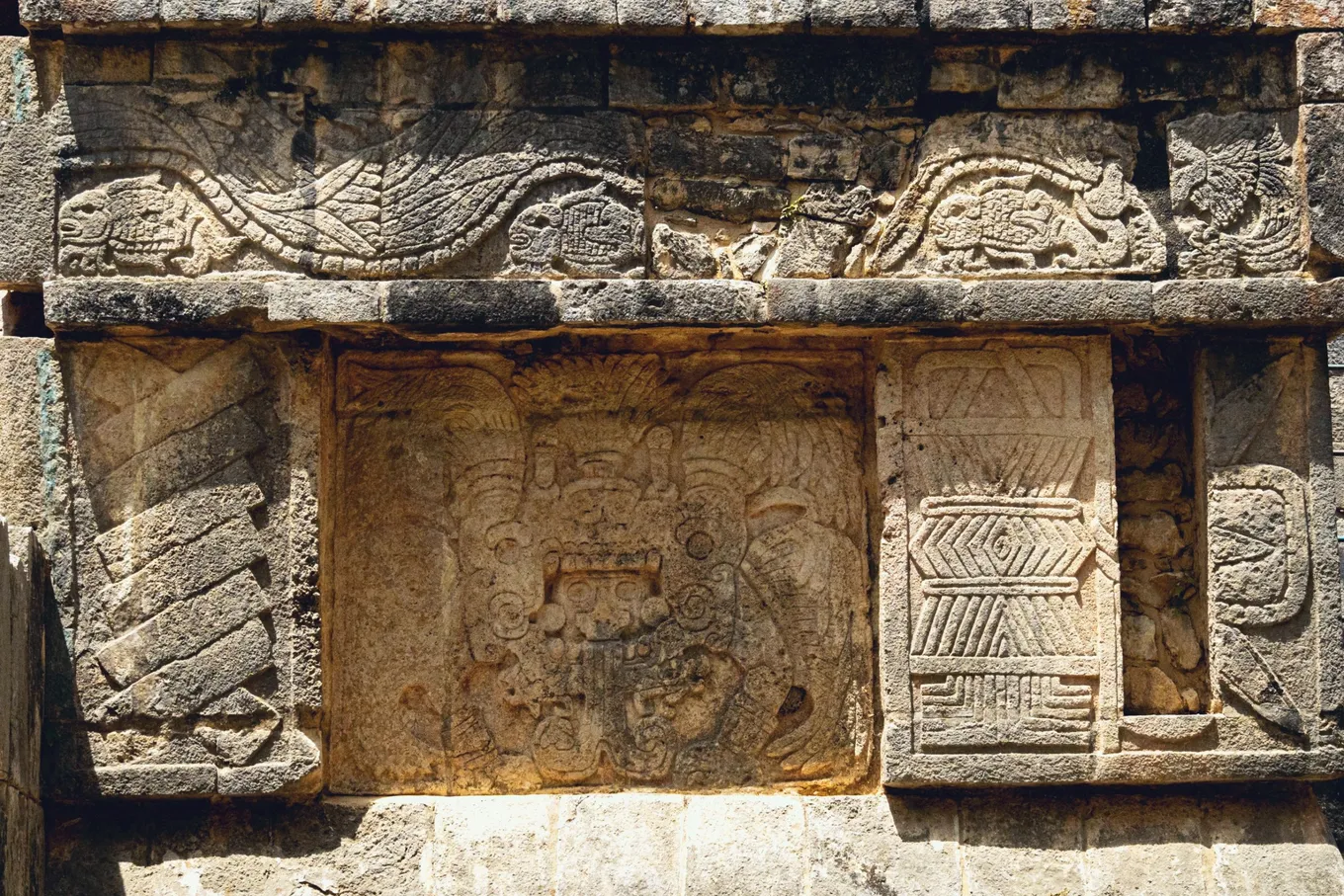
The pyramid can no longer be climbed, so the carvings are best seen from the ground, and a zoom helps. UNESCO listed the Pre-Hispanic City of Chichén Itzá as a World Heritage site in 1988. The Sacred Cenote lies within the site as well.
Heat and stone
The walking is long and flat, on uneven stone, in full sun with almost no shade.
Bring water, a hat, and sunscreen, and wear shoes you can walk in for hours.
A swim in a cenote
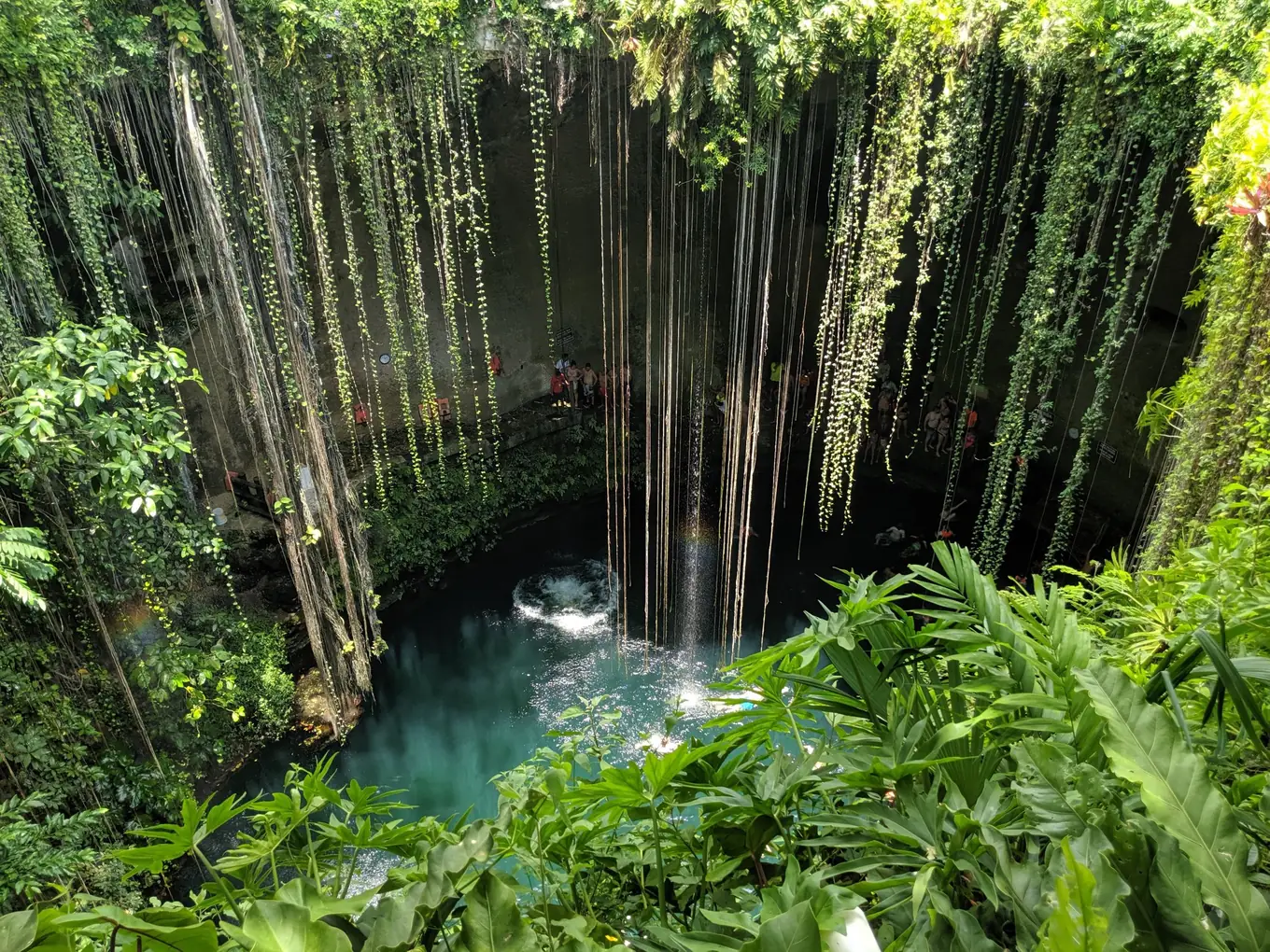
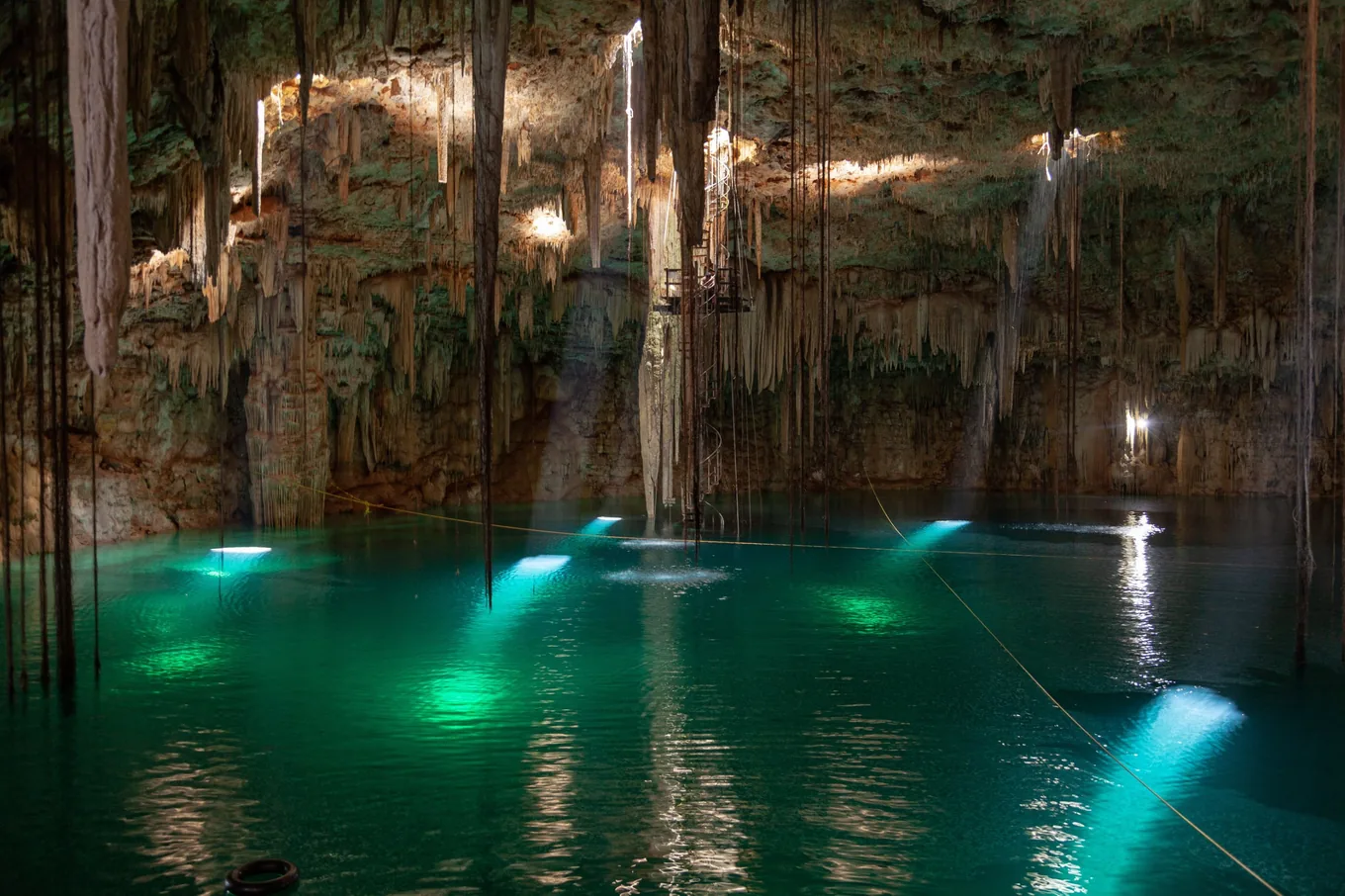
A cenote is a natural sinkhole in the limestone, open to the groundwater beneath it. The tour usually stops at one after the site, and it is the cool part of a hot day. Which cenote you visit depends on the tour.
In the Yucatán, the water is underground.
Valladolid on the way back
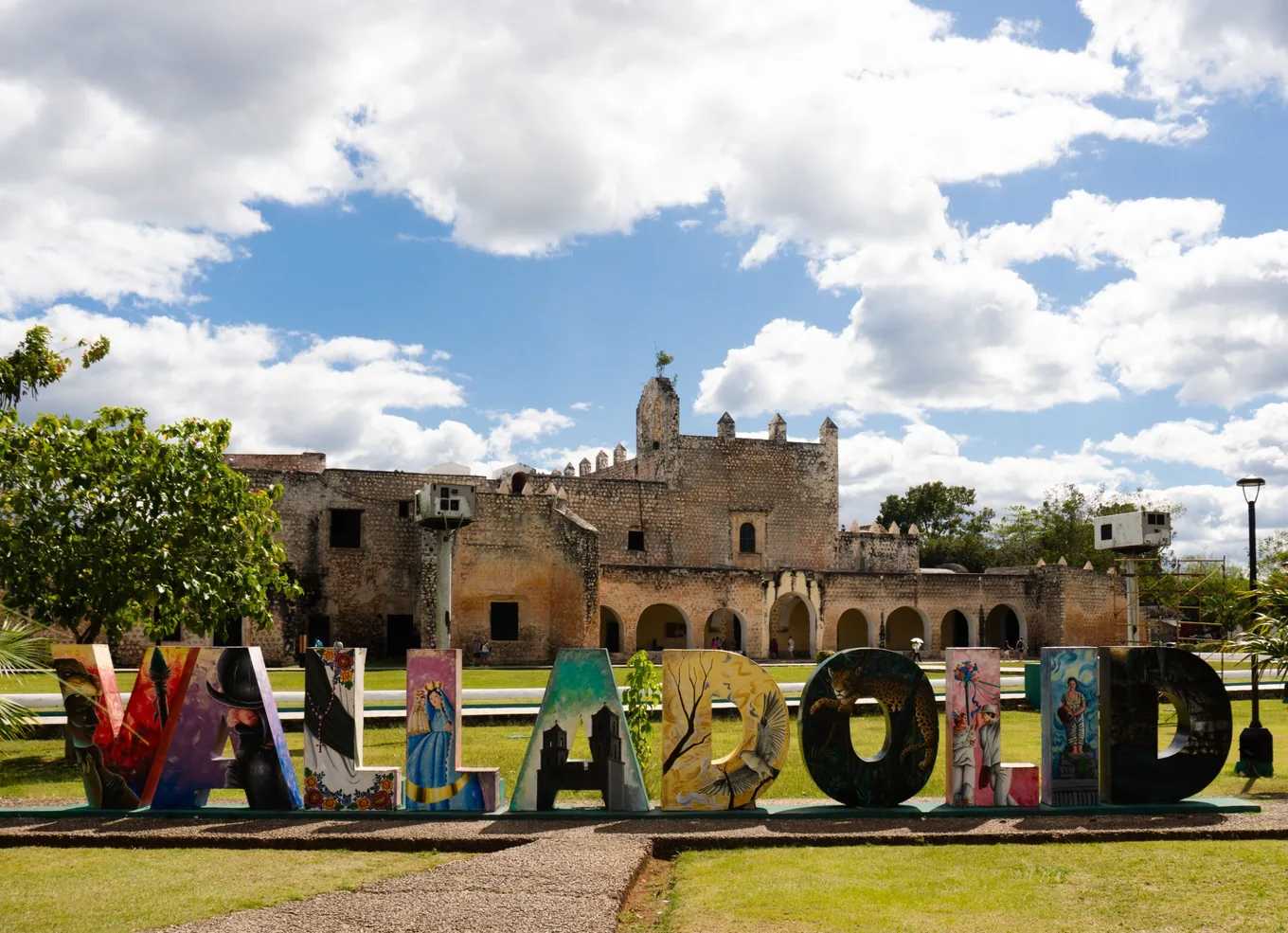
The last stop is usually Valladolid, a colonial town between the site and the coast. Its convent of San Bernardino de Siena dates from around 1552, and painted letters spelling the town's name stand on the lawn in front of it.
Is it worth a whole day?
Yes, if you plan the week around it. It is a full day away from the beach, and the day after it should stay close to the hotel.
On our free 5-day Cancún route, the second day is the first one away from the coast, and for most travelers it is Chichén Itzá, after a first day that stays by the sea. You can see it in context in the 5-day Cancún route, or read why the week should mix different kinds of days in Why Cancún should not be planned as one kind of trip.
Worth knowing
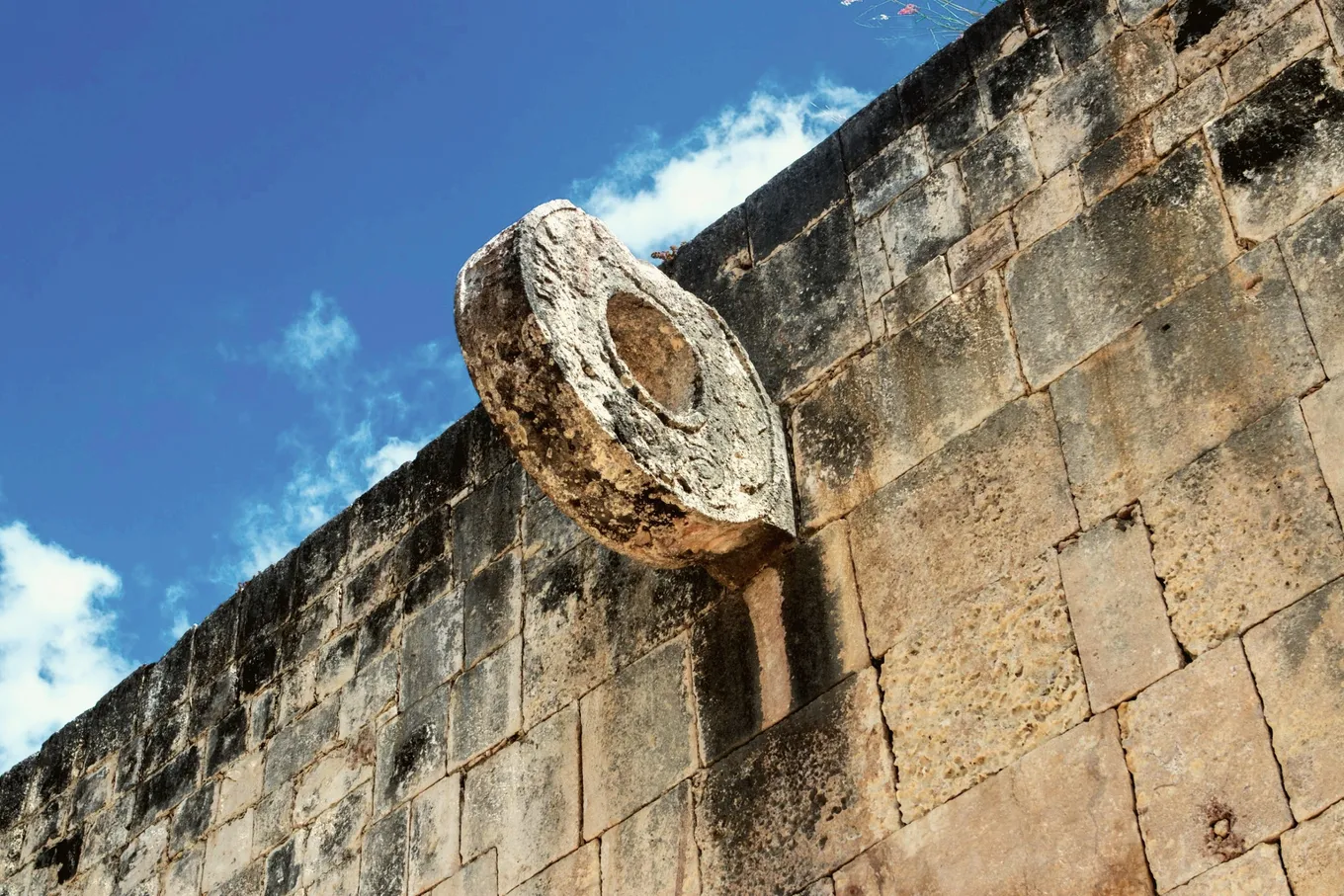
- Chichén Itzá's Great Ball Court, the largest known in ancient Mesoamerica, runs more than 150 meters, with stone rings set 8 meters up.
- Arrive at opening. The site fills by late morning and shade is scarce.
- Cash is still king. Cards work in resorts and restaurants. Carry some cash for taxis and markets.