Cusco · Sacred Valley

Cusco asks for patience

Historic Andean capital at 3,400 m, where Inca heritage meets colonial streets and highland horizons.

Andes, Sacred Valley gateway · 3,399 m · UTC-5 year round

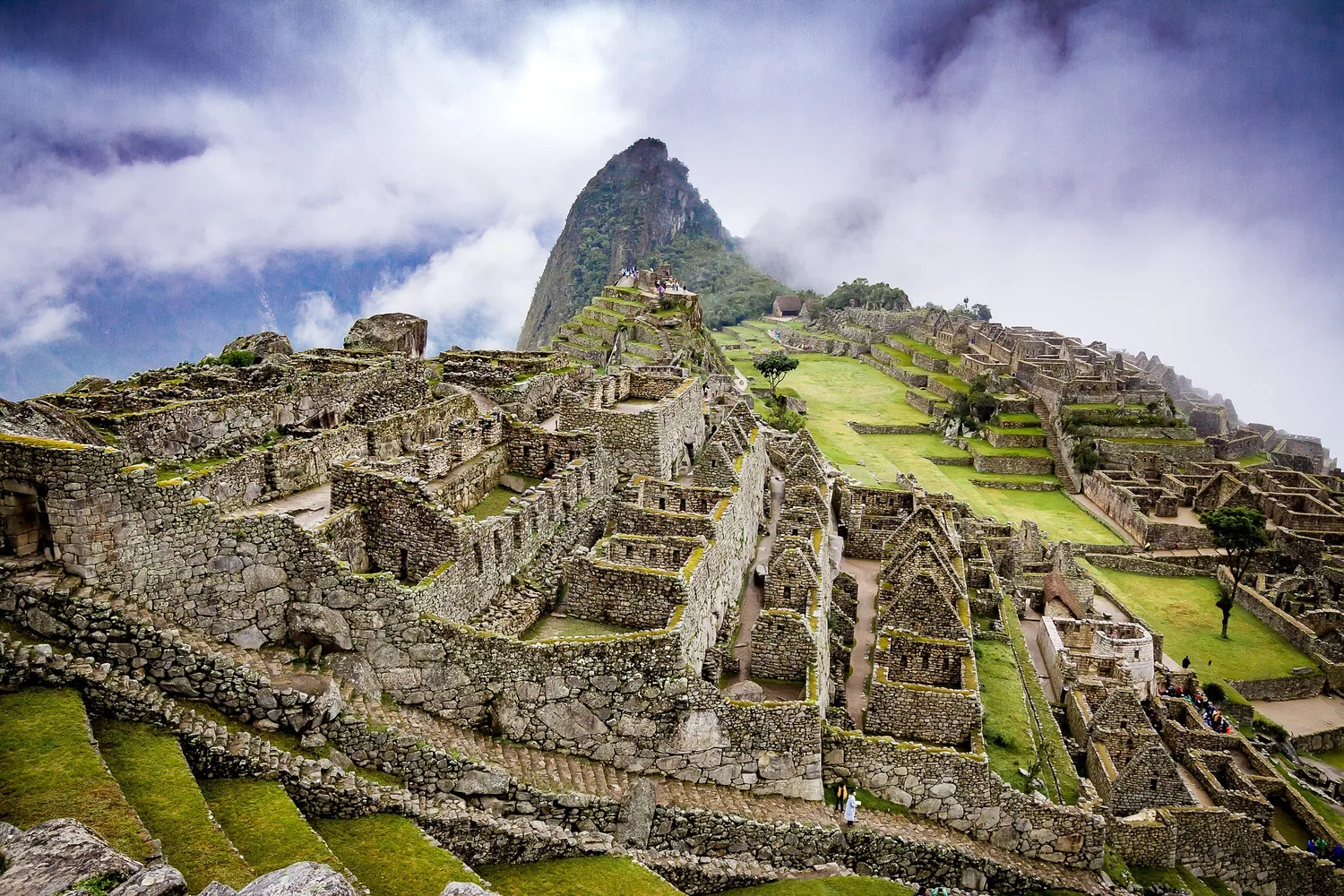
Machu Picchu in morning light, seen across the terraces and surrounding mountains
Machu Picchu · Cusco region, Peru
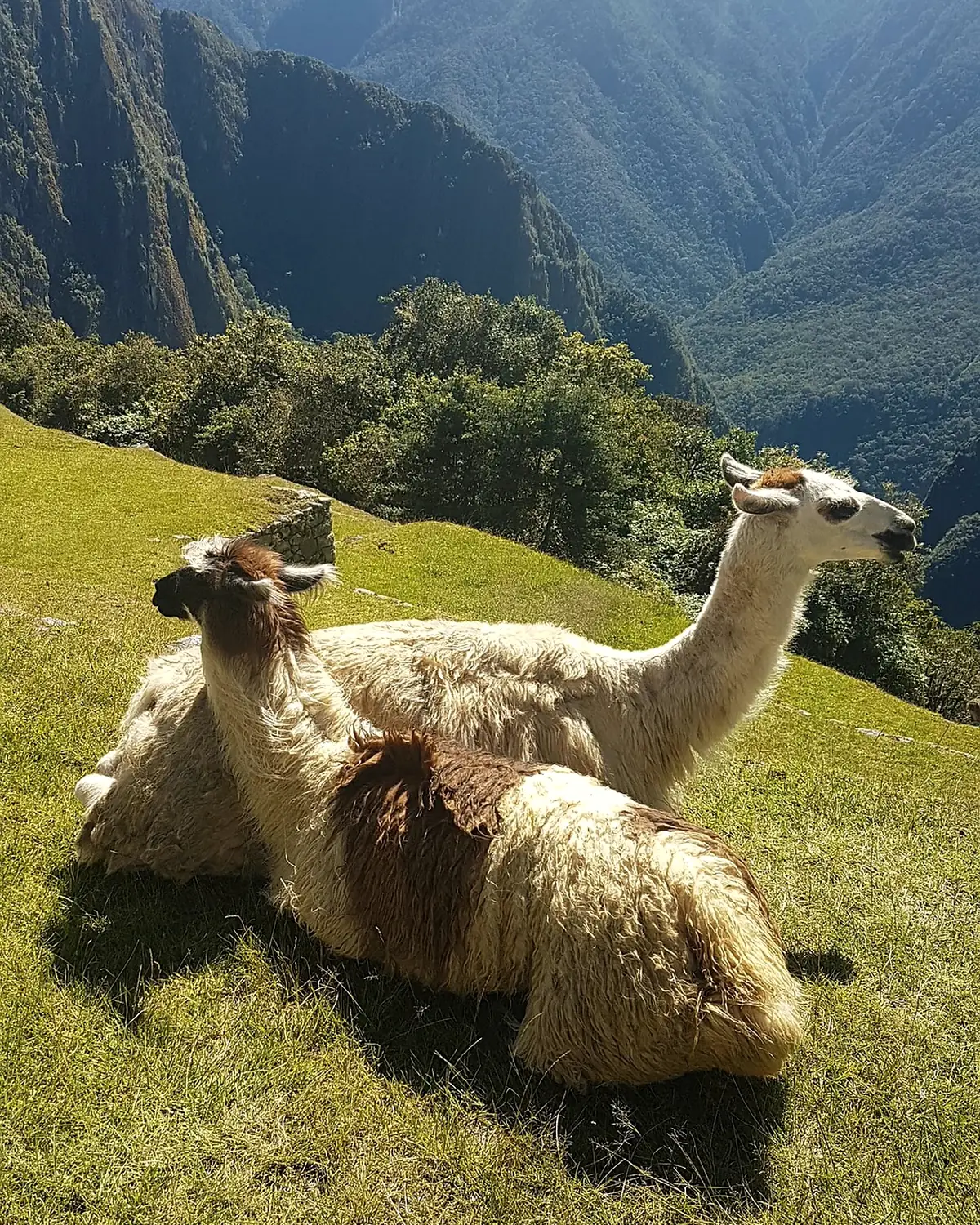
Llamas on the high grass above the valley

The first thing to understand

The altitude decides what waits

Cusco greets you with a stillness found only at these heights, where the thin Andean air demands a conscious slowing of the breath. The altitude arrives before the view does, so your first day is best spent observing rather than doing. Move with intention, hydrate consistently, and let the city reveal its history through quiet plazas and narrow stone corridors while you settle.

Cusco does not yield itself quickly. At around 3,400 meters, the thin Andean air is part of the city from the moment you arrive.

On arrival

Five things worth getting right on the first day.

  1. 01Water

    Drink water often. Altitude dehydrates faster than you notice.

  2. 02Alcohol

    Skip alcohol tonight. One drink at 3,400m feels like three.

  3. 03If it persists

    If headache or nausea persists, the hotel can arrange oxygen.

  4. 04Coca tea

    Coca tea is offered in most hotels and may ease altitude.

  5. 05The first afternoon

    Keep the first afternoon unplanned. Rest, eat lightly, sleep early.

A note on safetyHistoric center and main tourist streets are busy and feel manageable with care. Avoid poorly lit side streets at night.

The catalog

What deserves your time

Eleven of the fifteen experiences we have researched and verified in Cusco, grouped by what they ask of you. Not an order, and not a week. How they are sequenced is the part a route decides.

We are a GetYourGuide affiliate partner and may earn a commission on bookings through our links. This does not influence which places we recommend.

How the big days spread from Cusco

Direction is geographic. Radius is time.

Cusco3,399 m
6h9h12h+123456

9 shorter experiences are not on this figure, which shows only days of six hours or more. Each one is in the catalog below.

Inca stone

The sites the city was built on, and the ones it was built from.

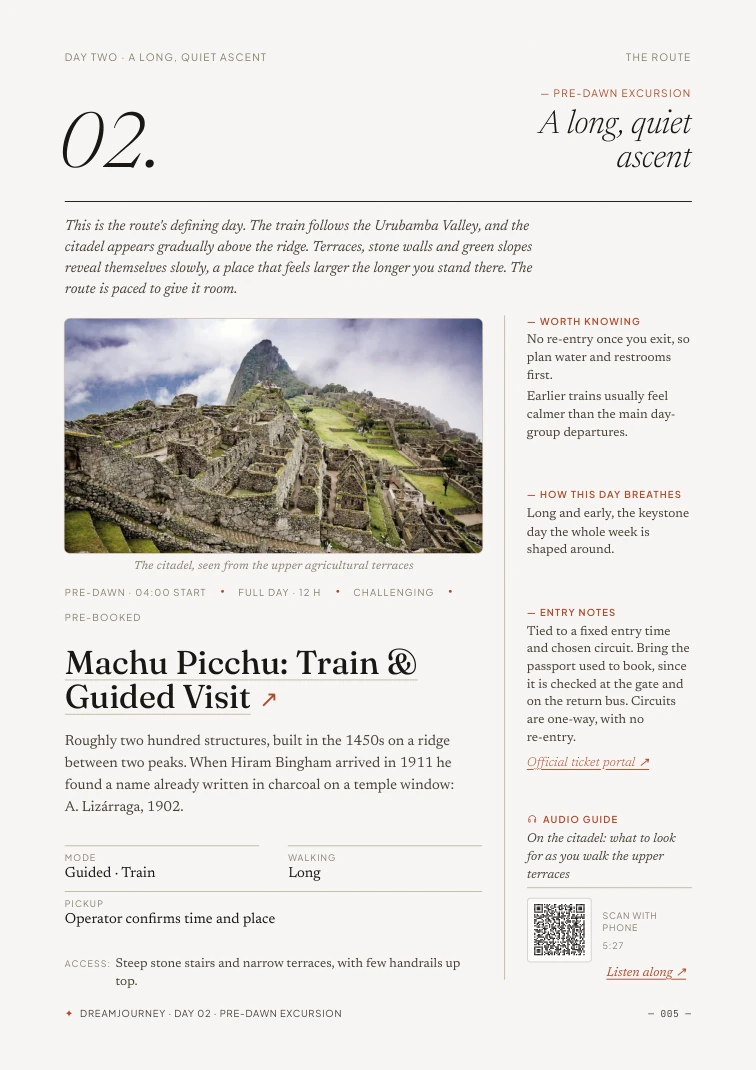
The citadel, seen from the upper agricultural terraces

Machu Picchu: Train & Guided Visit

Full daymedium intensitybooked aheadstarts 04:00

Roughly two hundred structures, built in the 1450s on a ridge between two peaks. When Hiram Bingham arrived in 1911 he found a name already written in charcoal on a temple window: A. Lizárraga, 1902.

Steep stone stairs and narrow terraces, with few handrails up top. Full-day trip. Train tickets and site entry are the biggest costs.

Book on GetYourGuide

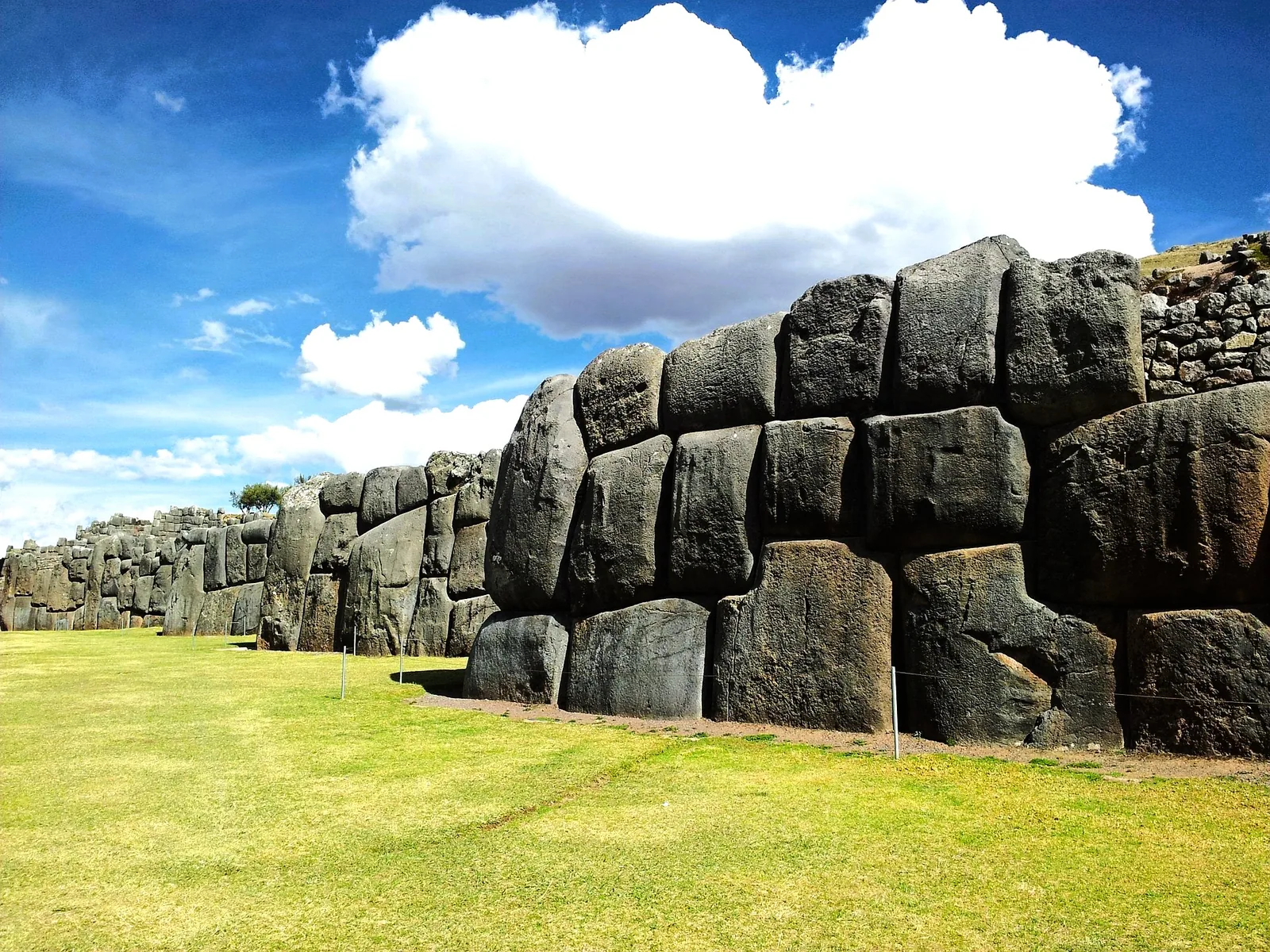
Sacsayhuamán's stones, fitted without mortar for six centuries

Sacsayhuamán & Inca Sites Tour

5 hmedium intensitybooked ahead

Stones weighing up to two hundred tonnes, fitted so precisely a knife blade won't slip between them. No two blocks are the same shape, each cut to meet the ones already set beside it.

Uneven terraces and open slopes, with short steps between the sites. Boleto Turístico covers entry. Adding a guide is a separate fee.

Book on GetYourGuide

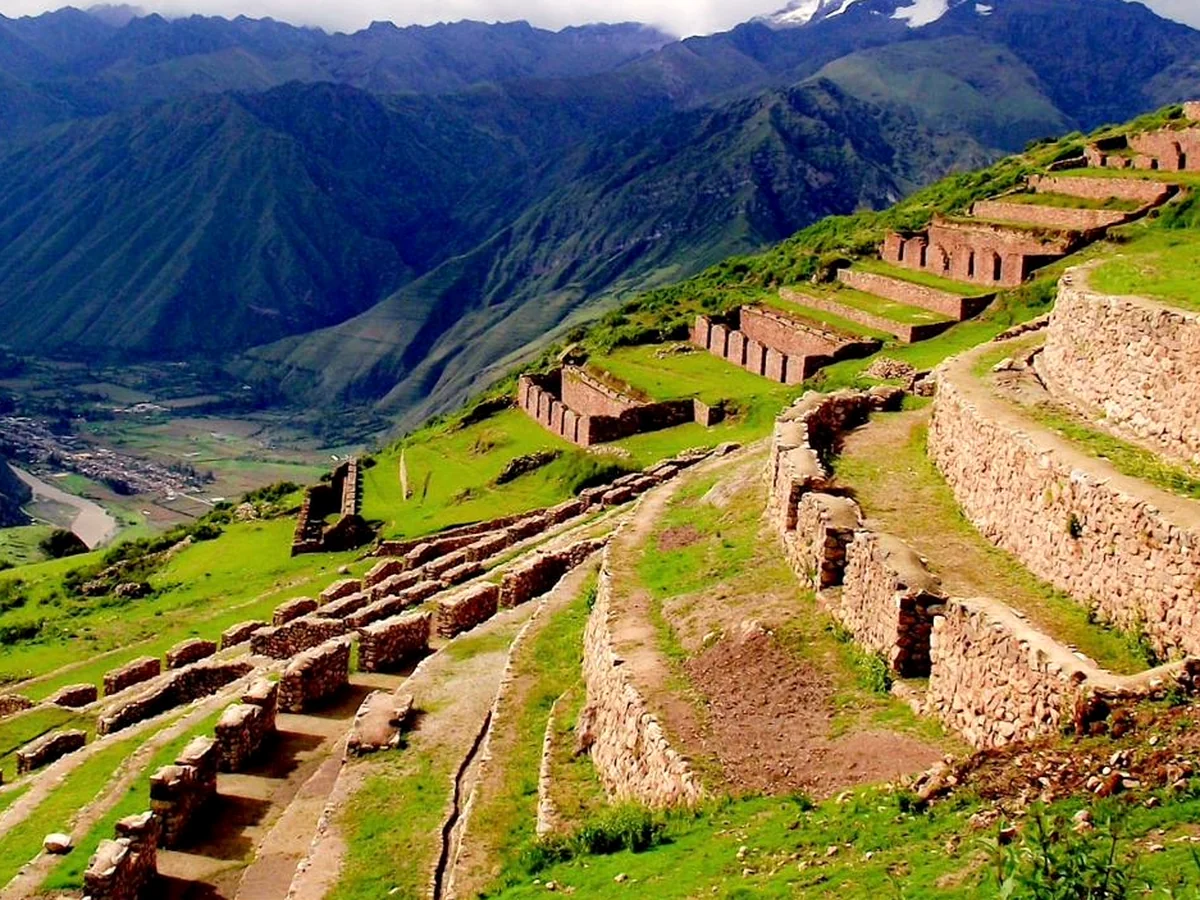
Pisac terraces, cut into the mountainside above the Urubamba

Sacred Valley Day Tour

Full daymedium intensitybooked aheadstarts 06:00

The valley rewards a guided day because its major sites sit far apart. Ollantaytambo is still lived in on its Inca grid, and from its terraces Manco Inca flooded the plain in 1537 to stop Spanish cavalry.

Several vehicle stops, each with uneven steps up to ruins and viewpoints. Full-day excursion, with lunch and site entries usually extra.

Book on GetYourGuide

Height and distance

Long days that leave before dawn and ask something of the body.

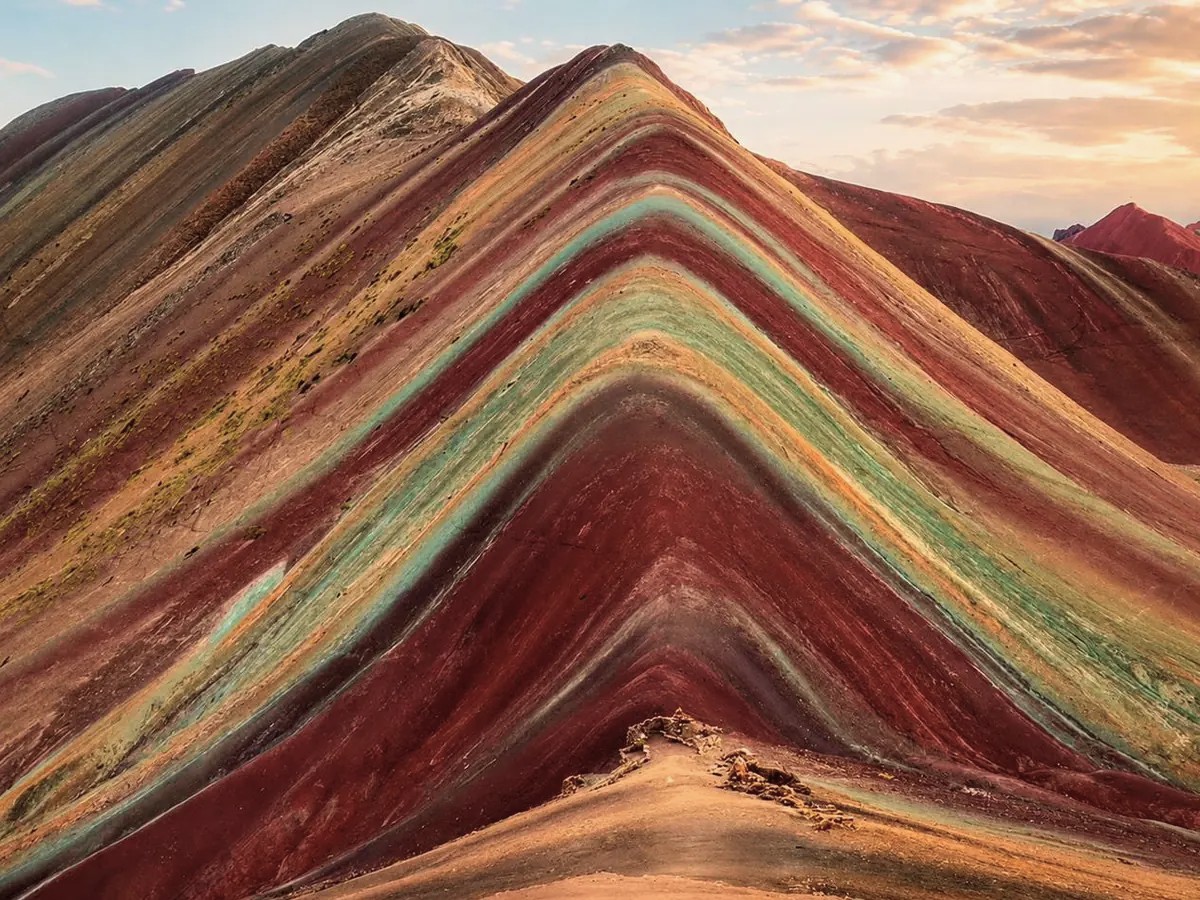
Rainbow Mountain, where the air thins and the colors sharpen

Rainbow Mountain Hike

Full dayhigh intensitybooked aheadstarts 04:00

An iron-and-mineral ridge below Ausangate, a sacred Apu believed to watch over the surrounding land. The colors emerge most clearly under open skies and soften as cloud moves in.

A steep climb above 5,000 m on loose, exposed ground with thin air. Full-day trip. Transport and breakfast are often bundled in.

Book on GetYourGuide

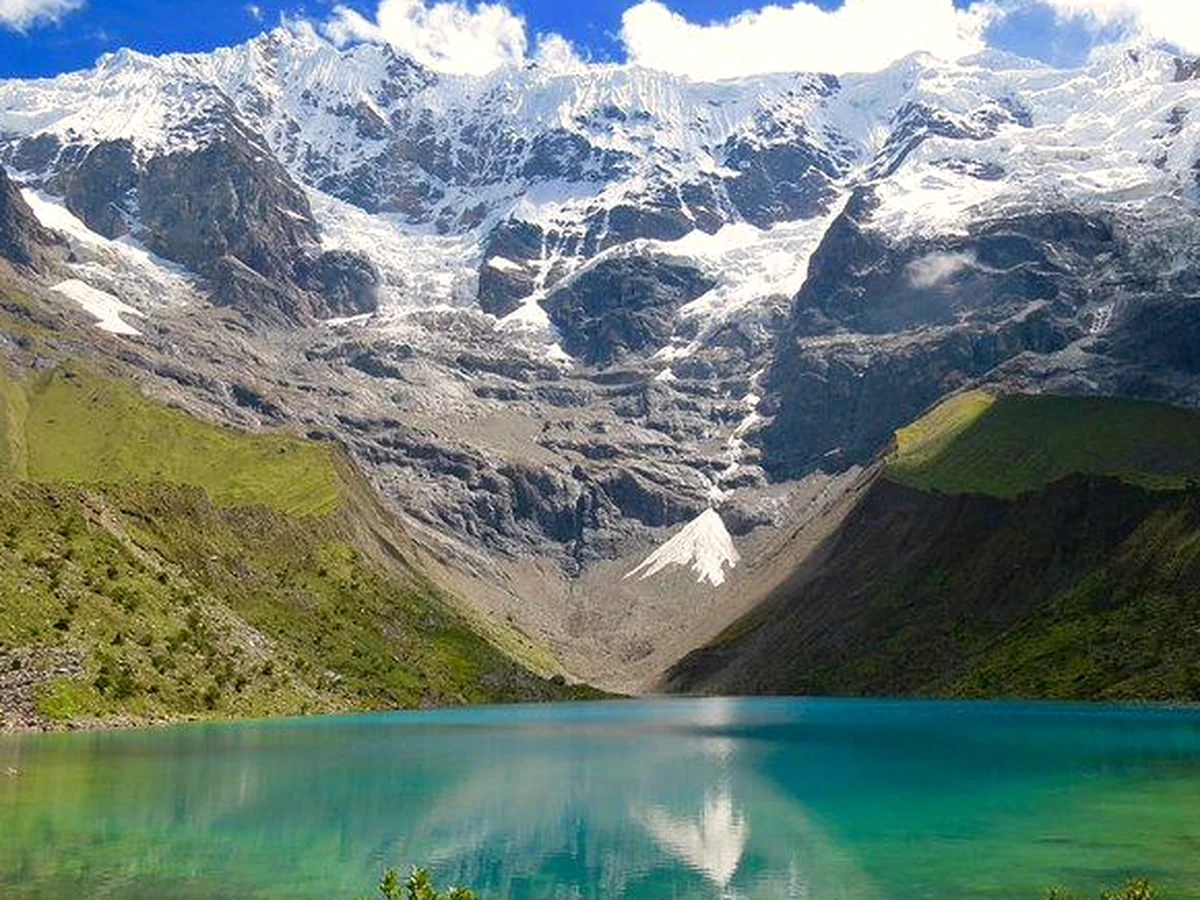
Humantay Lake, the color glaciers leave behind

Humantay Lake Hike

Full dayhigh intensitybooked aheadstarts 04:00

The lake sits in a glacial bowl below Salkantay and Humantay, and its turquoise comes from rock flour, stone ground to powder by ice and held in the water. The last climb opens the whole cirque at once.

A steep two-hour climb on loose, uneven ground above 4,000 m. Full-day trip. Transport, breakfast, and buffet lunch usually included.

Book on GetYourGuide

The city and its table

Hours spent on foot in the center, and in the kitchens behind it.

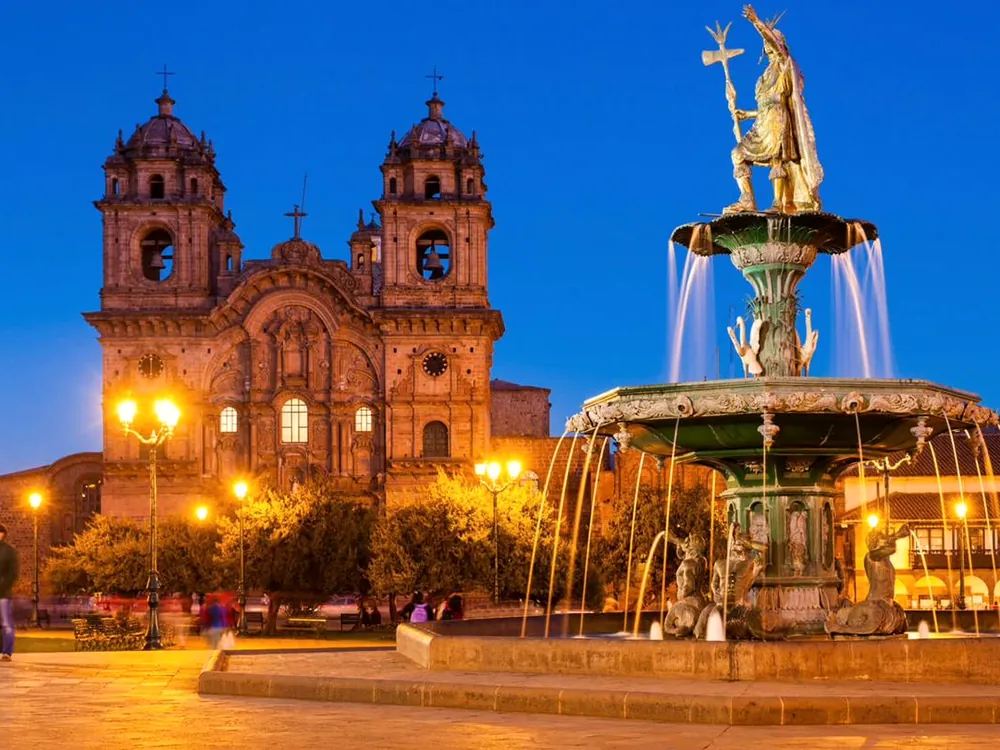
Plaza de Armas after dark, beneath the cathedral lights

Cusco Historic Center Walking Tour

3 hlow intensity

The walk reaches Hatun Rumiyoc, where the twelve-angled stone sits in the wall of Inca Roca's palace. Neighboring blocks carry thirteen and fourteen angles, and local belief holds the wall would fall without it.

Uneven cobblestones and steep stairs, hardest on the climb into San Blas. No guide fee. The Boleto Turístico for site entry still applies.

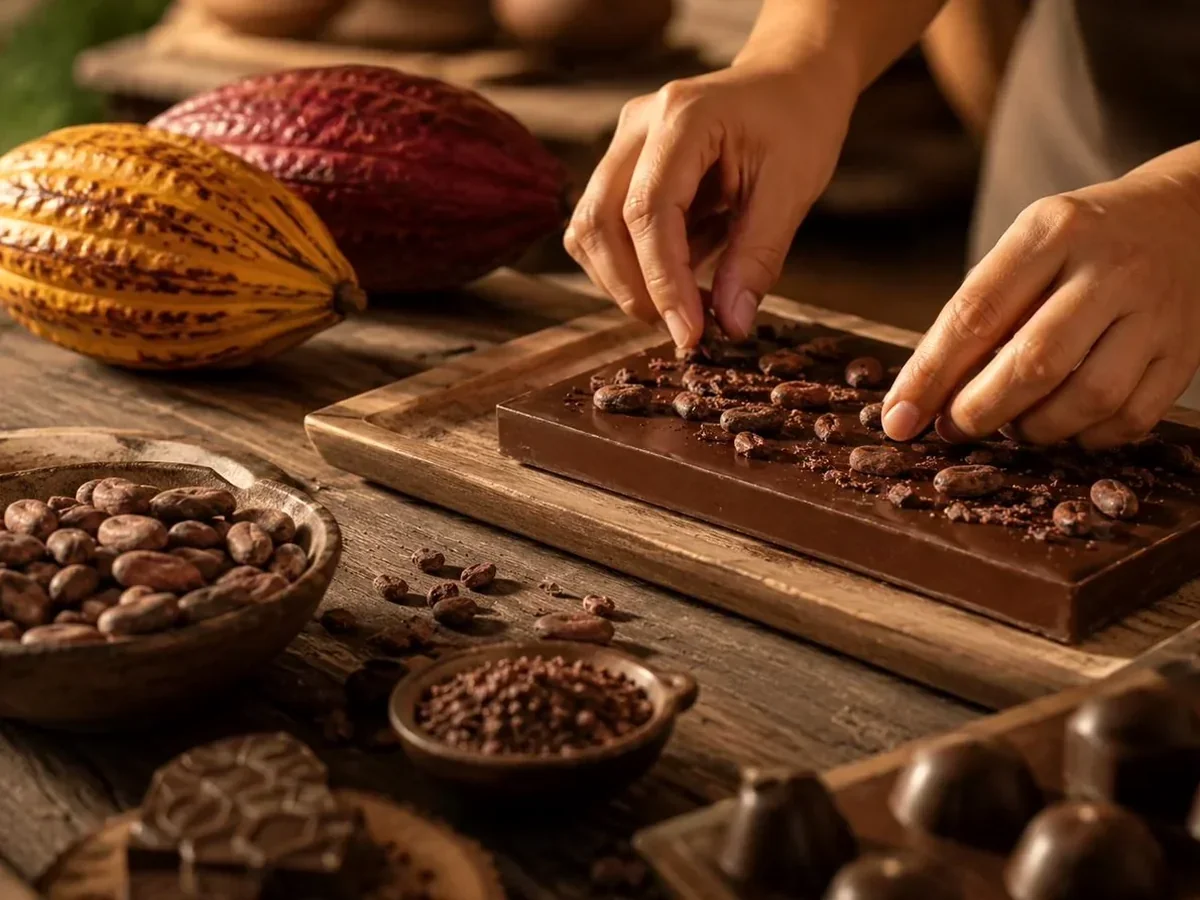
Single-origin Peruvian cacao, just before tempering

ChocoMuseo Chocolate Workshop

2 hlow intensitybooked ahead

Peruvian cacao changes markedly from one growing region to the next, and the tasting makes those differences obvious before the beans go near a mold. The cacao is single-origin, from regions like San Martín.

Mostly indoor and seated, with light standing during the hands-on steps. Ticketed workshop. Cacao and tasting supplies are included.

Book on GetYourGuide

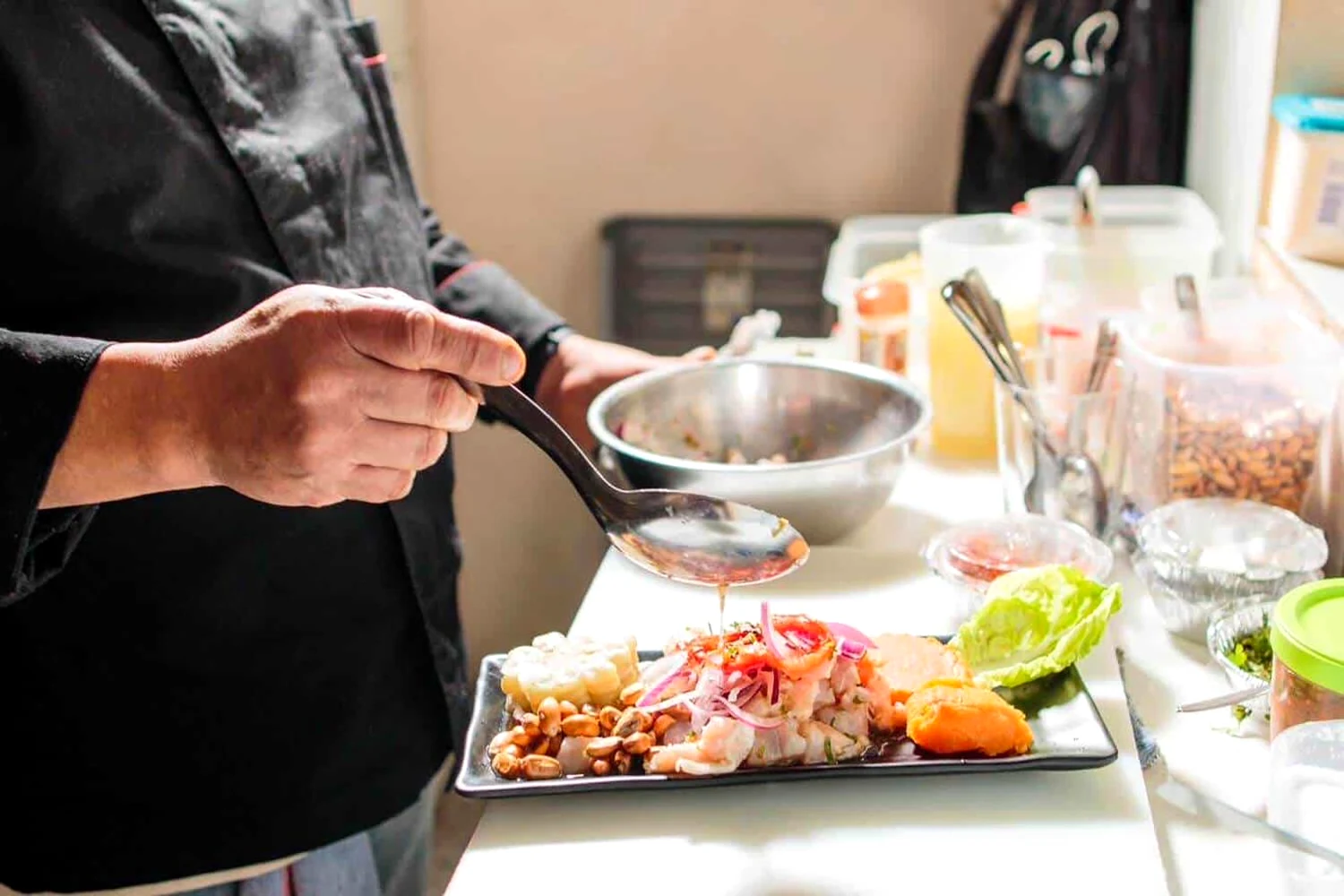
A working comedor, where Cusco's food culture lives

Peruvian Cooking Class

4 hlow intensitybooked ahead

Few countries treat the potato the way Peru does, with thousands of native varieties still grown across the Andes. A market walk leads into a working kitchen, and the meal you sit down to is the one you cooked.

Standing kitchen work and a short market walk, mostly on level ground. Small-group ticketed class. Market visit and ingredients are included.

Book on GetYourGuide

After dark

The counterweight to the early starts, when the city slows and the sky opens.

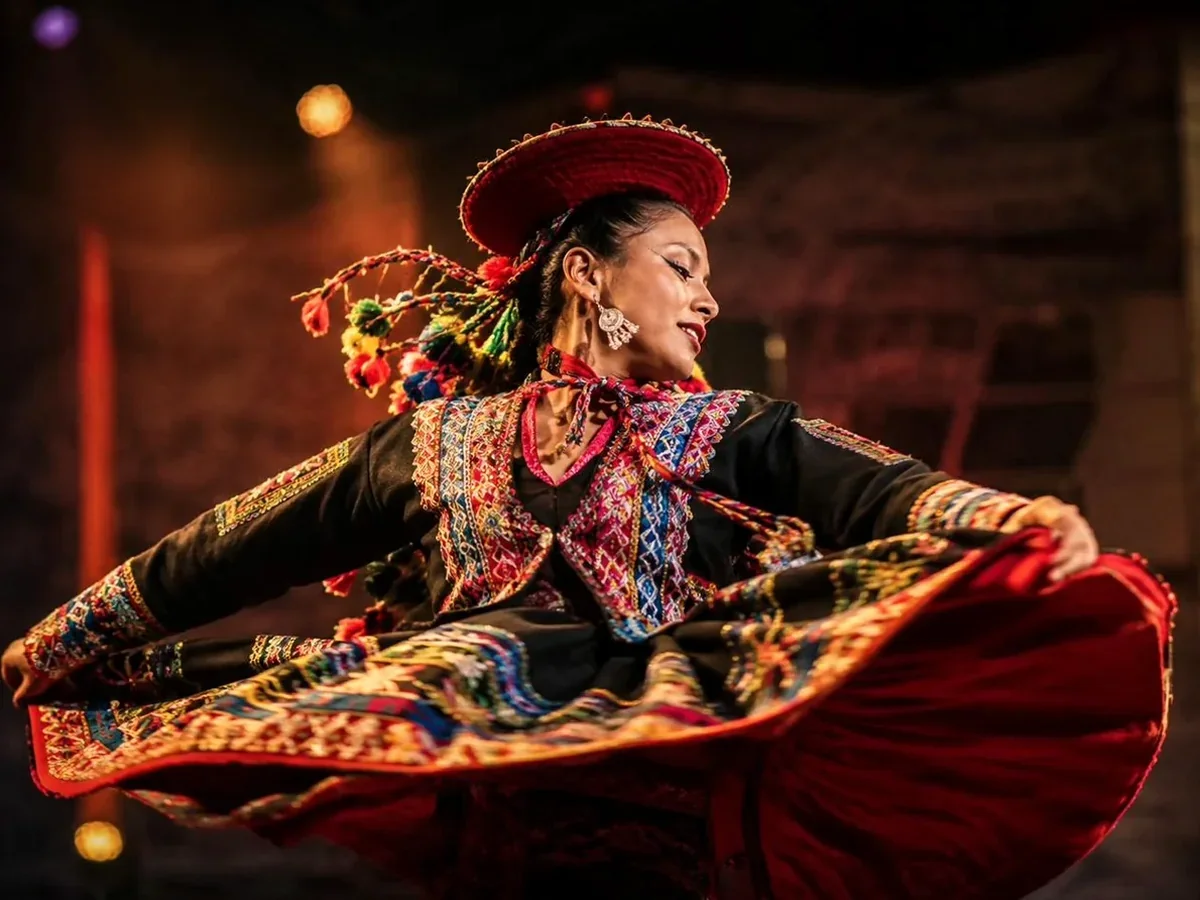
Andean dancers at Tunupa, bright against the darkened room

Tunupa Andean Dance & Dinner

2 hlow intensitybooked ahead

Much of what you hear comes from the charango, a small Andean lute traditionally built on an armadillo shell. Plates from across the region arrive between sets, so the room stays a table first and a stage second.

A seated venue with entrance stairs and tight rows between tables. Show ticket. Buffet dinner may be bundled with the booking.

Book on GetYourGuide

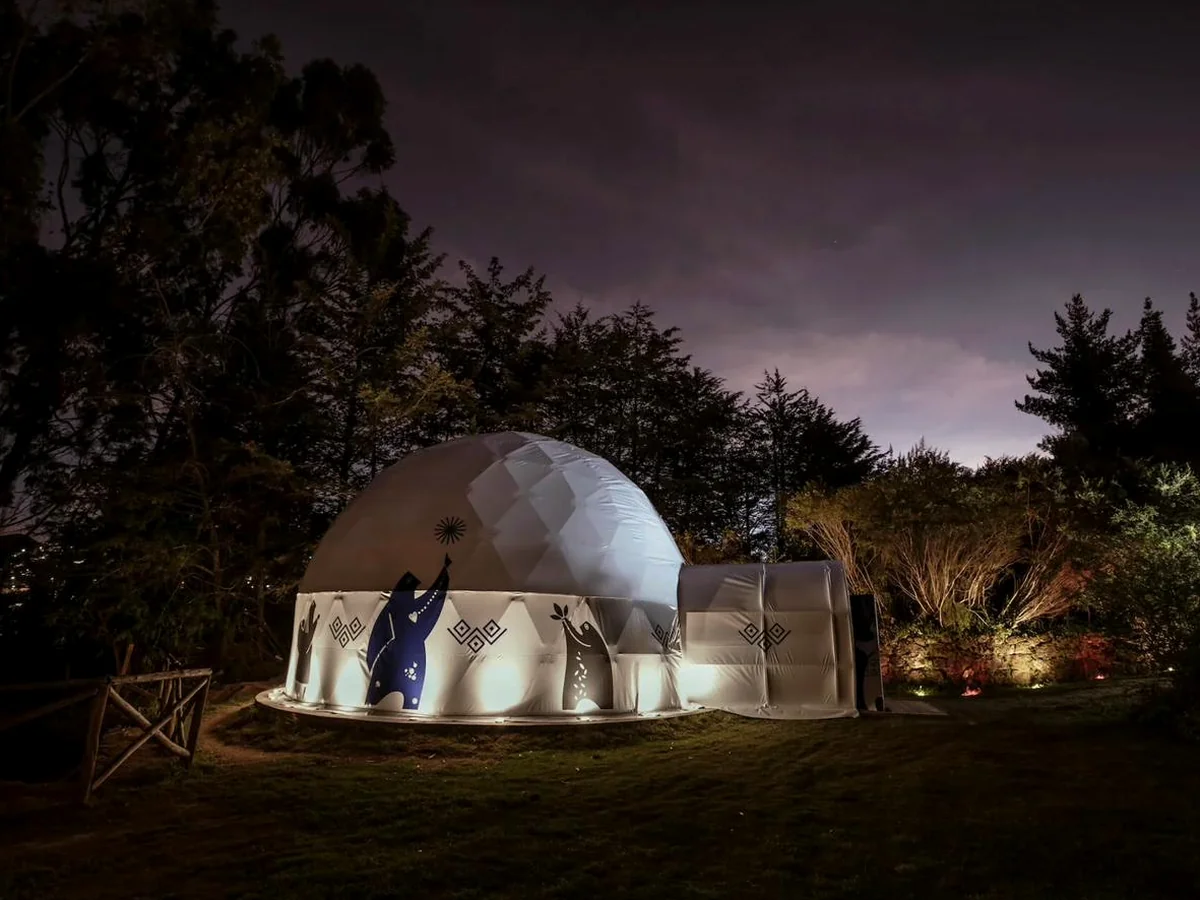
The Andean night sky, read the way the Incas read it

Cusco Planetarium

2 hlow intensitybooked ahead

The Inca read the sky inside out. Their constellations are not the stars but the dark shapes between them, a llama, a fox and a serpent picked out of the shadow running the length of the Milky Way.

A little walking on open ground at night, with few places to sit. Evening ticket. Transport is often added to private bookings.

Book on GetYourGuide

San Blas balconies, where the hours go slow

San Blas Café Pause

1.5 hlow intensity

San Blas has been Cusco's artisans' quarter since colonial times, when the imagineros who carved the city's altarpieces kept their workshops here. Its steep lanes open back onto views across the tiled roofs.

Steep cobbled streets and stairs on the way up to the square. Café stop. Spend depends entirely on what you order.

Four further verified experiences sit in the Cusco catalog. Which of them reach your route depends on your month, your pace, and the days you have.

A longer week reaches more of this catalog than a short one, and the difference is set out day by day in what a seven-day Cusco week adds.

The city at eye level

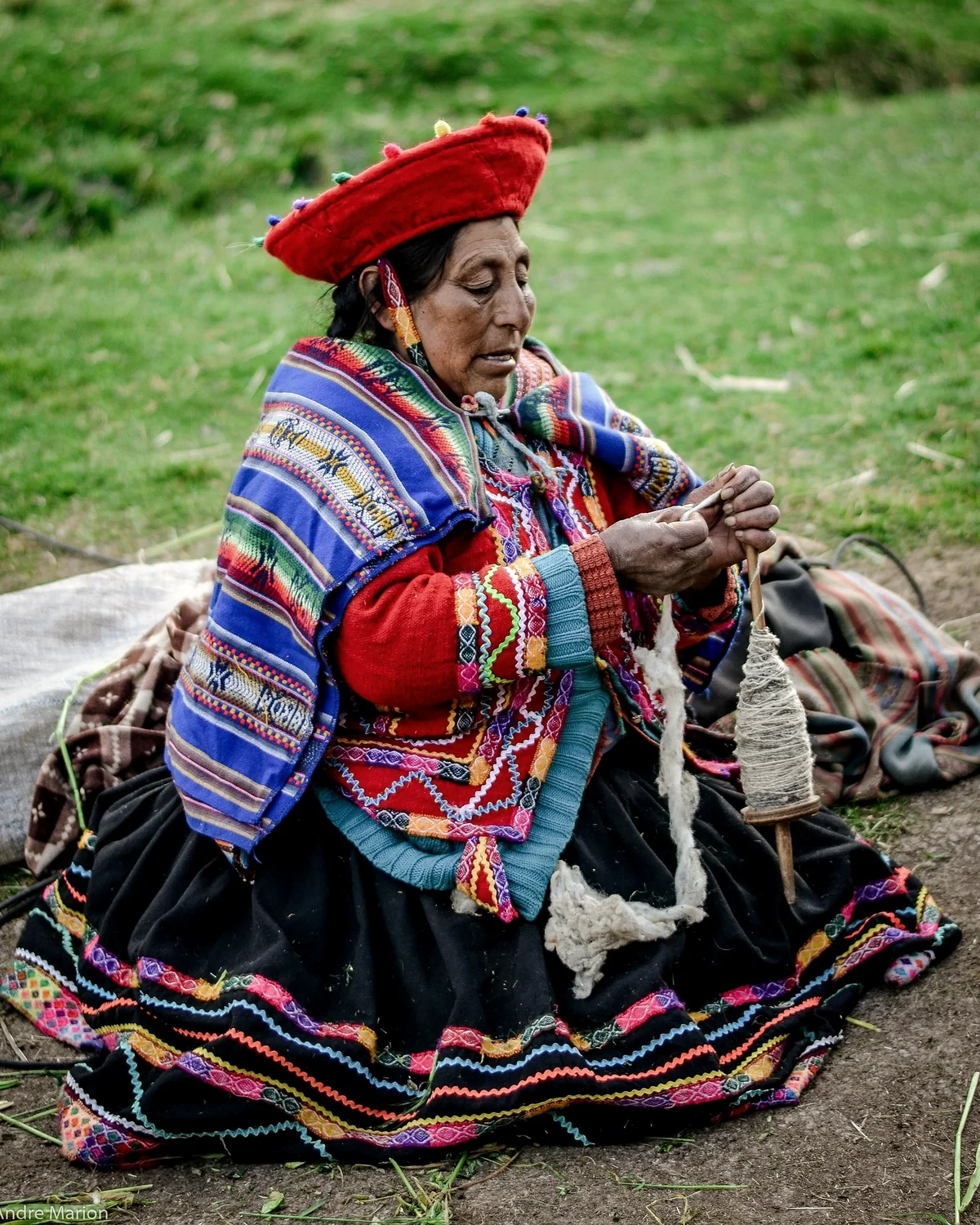
Wool drawn onto a drop spindle, by hand and without a wheel
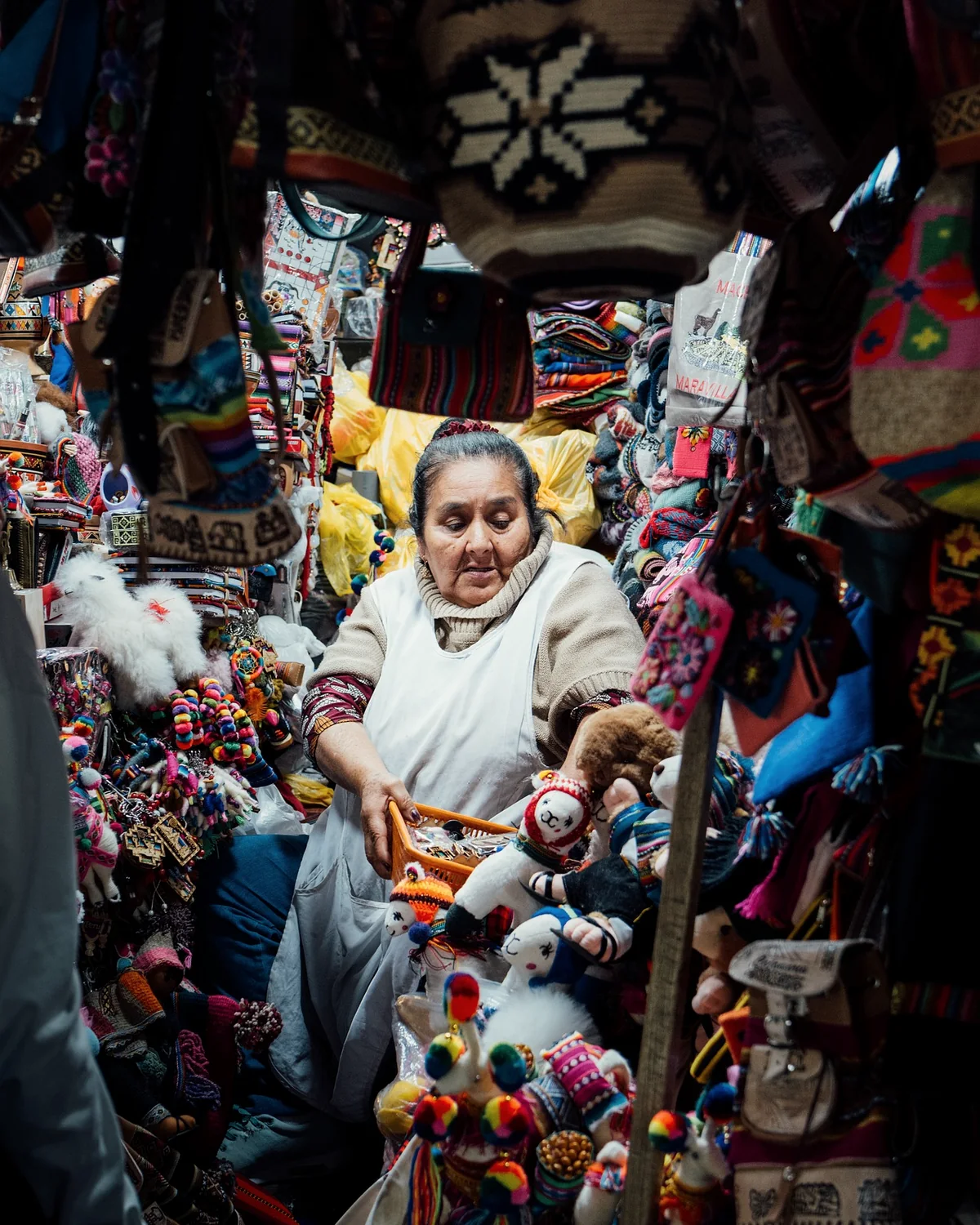
A market stall in Cusco, where the weaving is the inventory
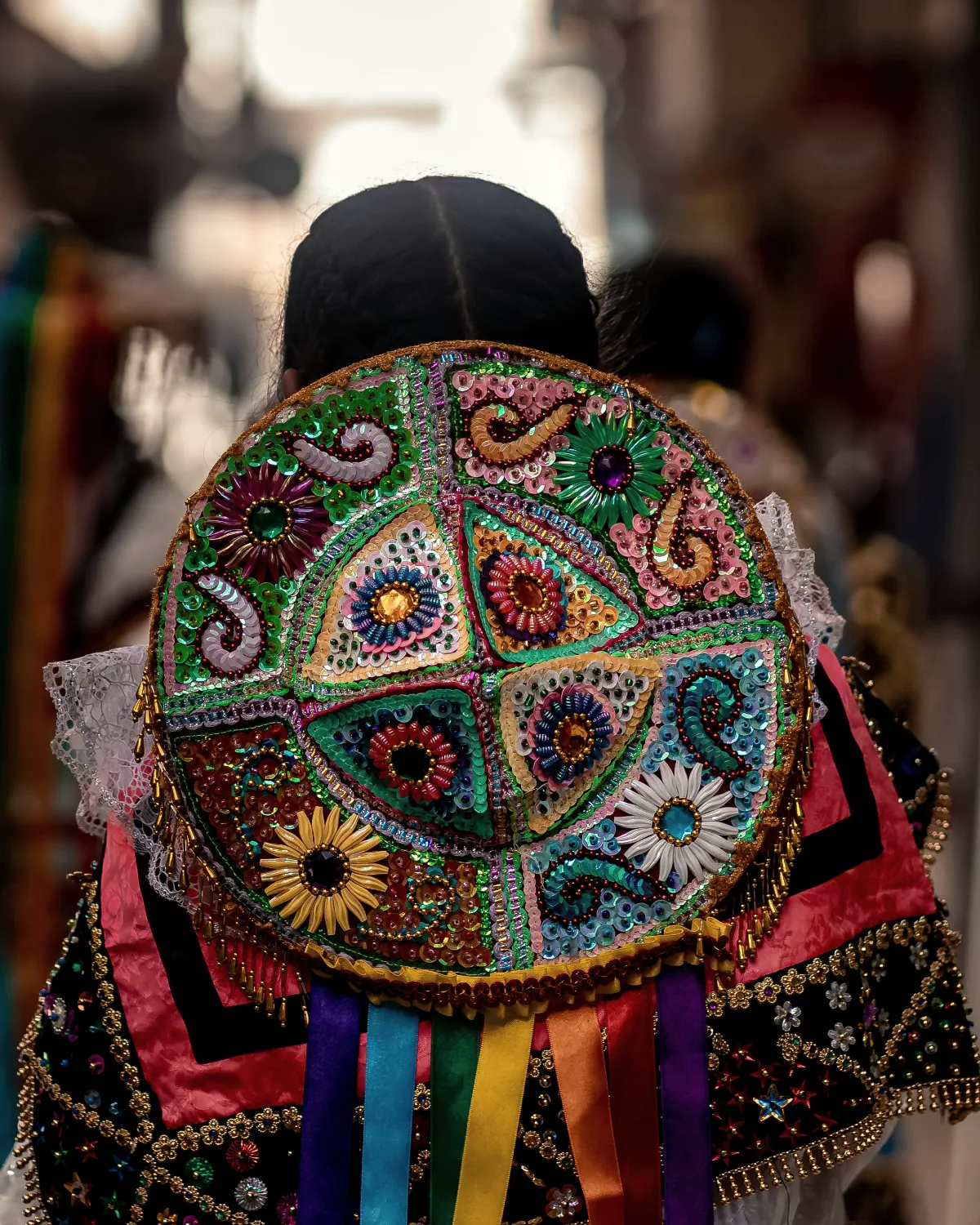
A hat sewn over with sequins and ribbon, seen from behind
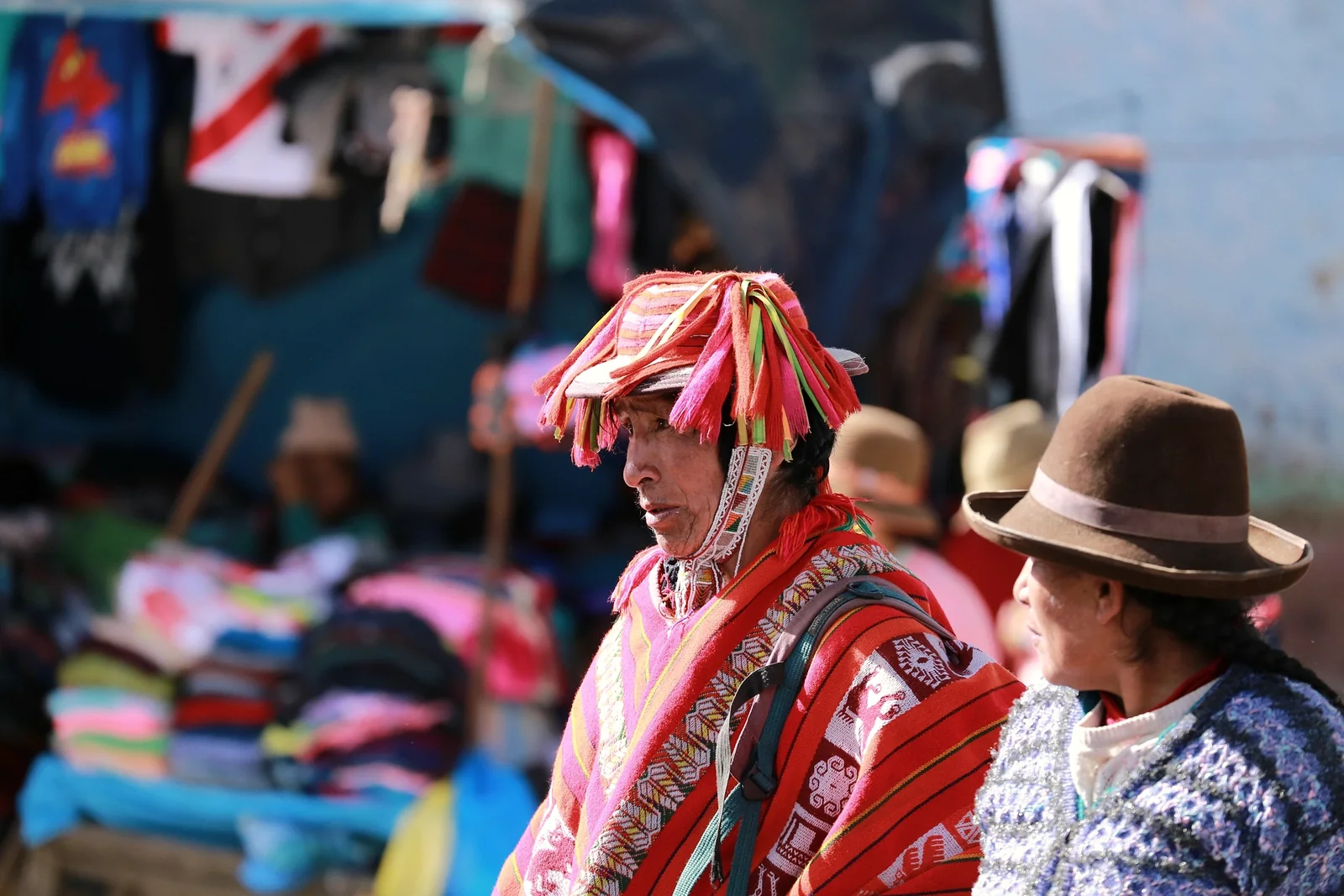
Market day in the highlands, in hats and woven cloth

The year in Cusco

The days barely move. The nights decide everything.

The honest answer to when to go: days hold between 18°C and 21°C in every month of the year. What changes is the rain, the cold after dark, and whether the two highest hikes belong in the route.

Warmest days21°C

October and November, and the whole year moves only 3 degrees by day.

Coldest night1°C

July, in the middle of the dry season rather than the wet one.

Driest10 mm

June and July, with August close behind at 11 mm.

Wettest150 mm

January, one of the four months the highest hikes rest.

Month by month

January

19°CDay8°CNight150 mmRainRestingHighest hikes

The wettest month of the year, with cool days, frequent showers, and the valley turning green.

What to pack
  • Warm layer
  • Rain jacket
  • Waterproof shoes
  • Sunscreen

February

19°CDay8°CNight140 mmRainRestingHighest hikes

Rainy season continues, with regular afternoon showers and low cloud on the high ground.

What to pack
  • Warm layer
  • Rain jacket
  • Waterproof shoes
  • Sunscreen

March

20°CDay8°CNight110 mmRainRestingHighest hikes

The rain eases through the month, with mild days and cool nights.

What to pack
  • Warm layer
  • Rain jacket
  • Sturdy shoes
  • Sunscreen

April

18°CDay6°CNight50 mmRainOpenHighest hikes

The season turns, with mild days, cool nights, and far less rain.

What to pack
  • Warm layer
  • Light jacket
  • Sturdy shoes
  • Sunscreen

May

20°CDay3°CNight15 mmRainOpenHighest hikes

Dry season begins, with sunny mild days and cold clear nights.

What to pack
  • Warm layer
  • Light jacket
  • Sunscreen
  • Comfortable shoes

June

18°CDay2°CNight10 mmRainOpenHighest hikes

Cool, dry days with very cold nights and clear skies.

What to pack
  • Warm layer
  • Thermal layer
  • Sunscreen
  • Comfortable shoes

July

18°CDay1°CNight10 mmRainOpenHighest hikes

Dry winter weather, with sunny days and the coldest nights of the year.

What to pack
  • Warm layer
  • Thermal layer
  • Sunscreen
  • Comfortable shoes

August

19°CDay3°CNight11 mmRainOpenHighest hikes

Dry season, with sunny mild days and cold nights.

What to pack
  • Warm layer
  • Light jacket
  • Sunscreen
  • Comfortable shoes

September

20°CDay5°CNight25 mmRainOpenHighest hikes

Dry, sunny days with cool nights and occasional showers.

What to pack
  • Warm layer
  • Light jacket
  • Sunscreen
  • Comfortable shoes

October

21°CDay7°CNight60 mmRainOpenHighest hikes

Warmer days and cool nights, with some showers returning.

What to pack
  • Warm layer
  • Rain jacket
  • Sturdy shoes
  • Sunscreen

November

21°CDay8°CNight80 mmRainOpenHighest hikes

Mild days, chilly nights, and showers turning more frequent.

What to pack
  • Warm layer
  • Rain jacket
  • Waterproof shoes
  • Sunscreen

December

20°CDay8°CNight130 mmRainRestingHighest hikes

The rain returns, with cool days and regular showers.

What to pack
  • Warm layer
  • Rain jacket
  • Waterproof shoes
  • Sunscreen

Drier months

April – October

Drier with sunny days and cool nights. November–March is wetter with more frequent rain.

Once the month is settled, the rest is the shape of the days, which is where a route begins. Plan a Cusco route.

Practical

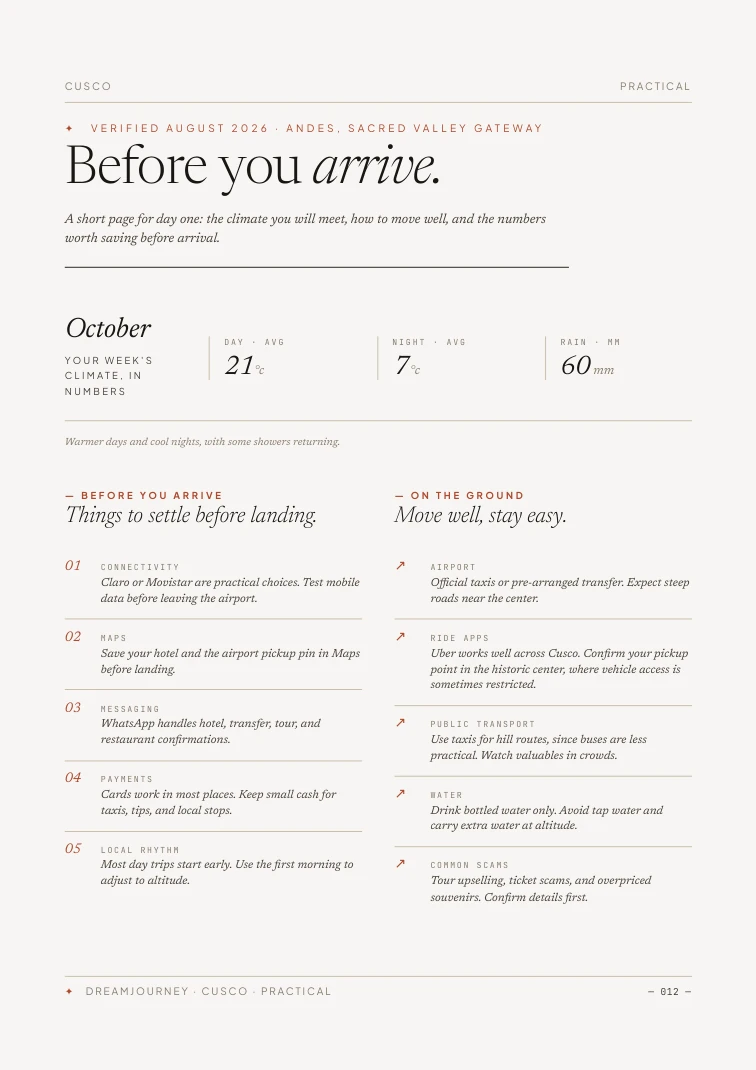
Before you arrive

The things worth settling while you still have a desk and a signal.

01Altitude, and the shape of a day

Bottled water and sun protection. Pack a light layer for cool altitude nights.

Most day trips start early. Use the first morning to adjust to altitude.

02Arriving

Alejandro Velasco Astete International Airport (CUS).

Official taxis or pre-arranged transfer. Expect steep roads near the center.

03Getting around

Uber works well across Cusco. Confirm your pickup point in the historic center, where vehicle access is sometimes restricted.

Use taxis for hill routes, since buses are less practical. Watch valuables in crowds.

04Money

Peruvian sol (PEN).

Cards work in most places. Keep small cash for taxis, tips, and local stops.

Staying

Where to stay in Cusco

Cusco is small, and every stay we hold sits within walking distance of the center. That narrows the question from where in the city to what kind of street you want outside the door, and how much of the hill you want to climb at the end of a day.

The Historic Center

Flat ground, and the city already around you.

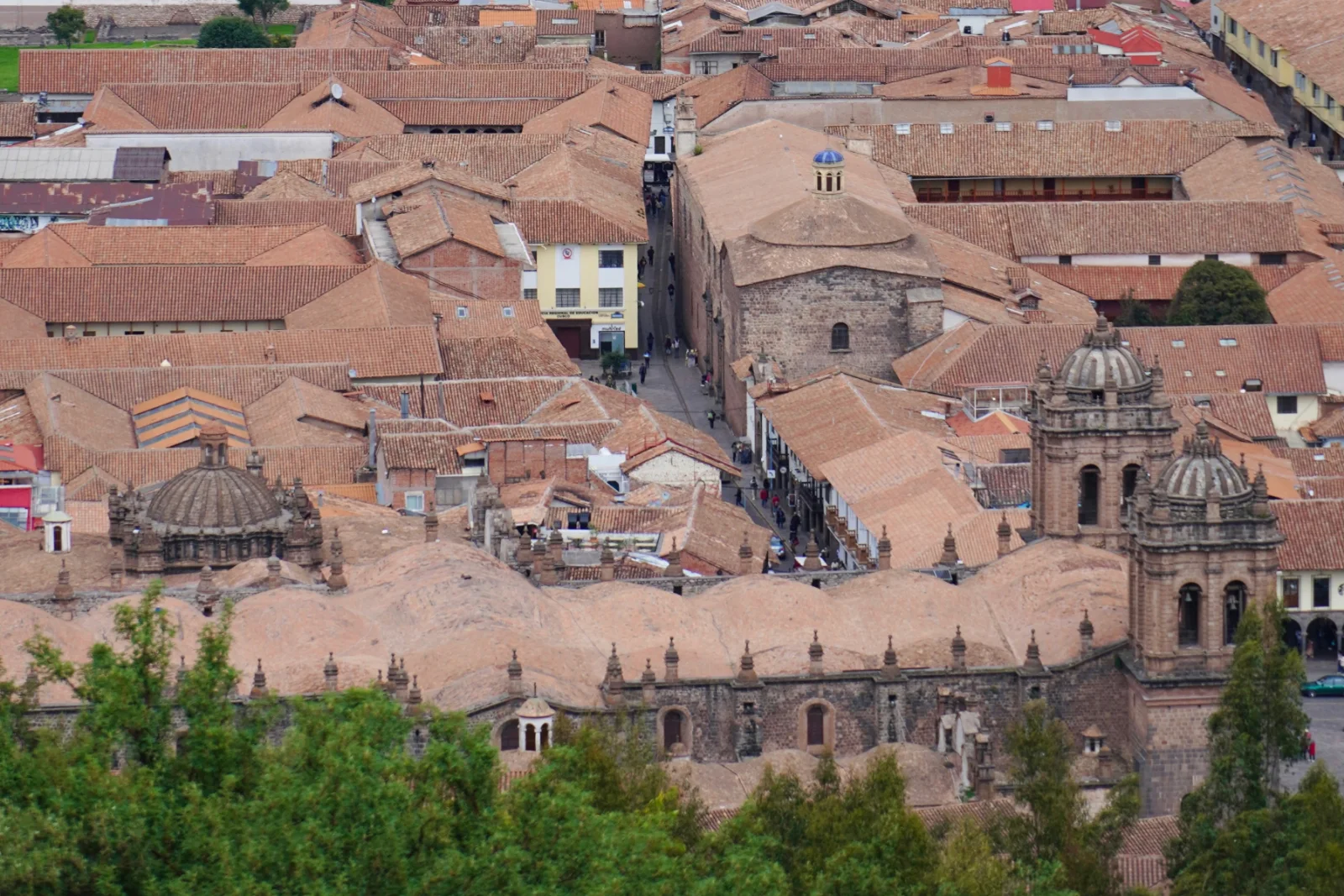
Most of what we hold in Cusco stands on the streets off the Plaza de Armas, which matters most on the first day, when 3,399 meters makes every extra block a decision. It is also where the range is widest: a sixteenth-century convent and a four-star at a fifth of the price sit a few streets apart.

The roofs of central Cusco from above, the cathedral towers and domes among tiled colonial roofs
The cathedral and the tiled roofs of the streets around the square

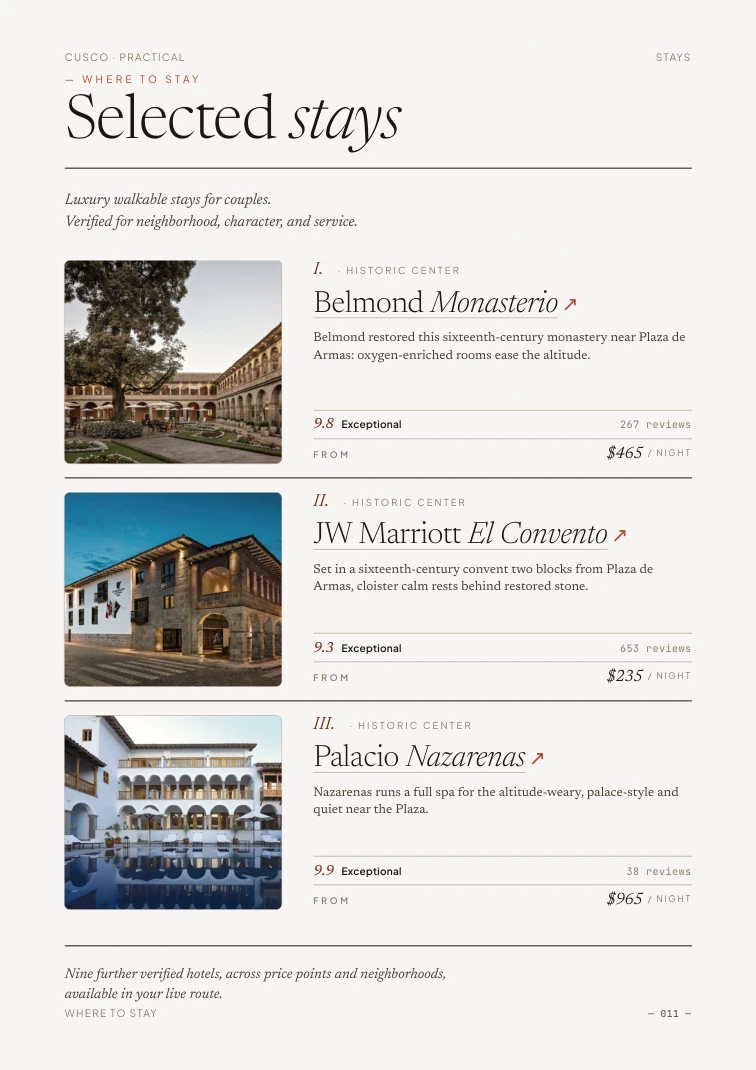
Our three, chosen from 28

  • JW Marriott El Conventofrom $235

    Set in a 16th-century convent two blocks from Plaza de Armas, cloister calm rests behind restored stone.

    5-star · 9.3 · 653 reviews
  • Sonesta Hotelfrom $155

    Coca and mint teas wait in the lobby, with oxygen on hand for guests who need help adjusting to the altitude.

    4-star · 9.3 · 1,536 reviews
  • Hotel Haciendafrom $50

    A sky room opens the city from above, giving this historic stay a quieter reason to linger before dinner.

    4-star · 8.6 · 3,168 reviews

San Blas

Uphill, and quieter for the climb.

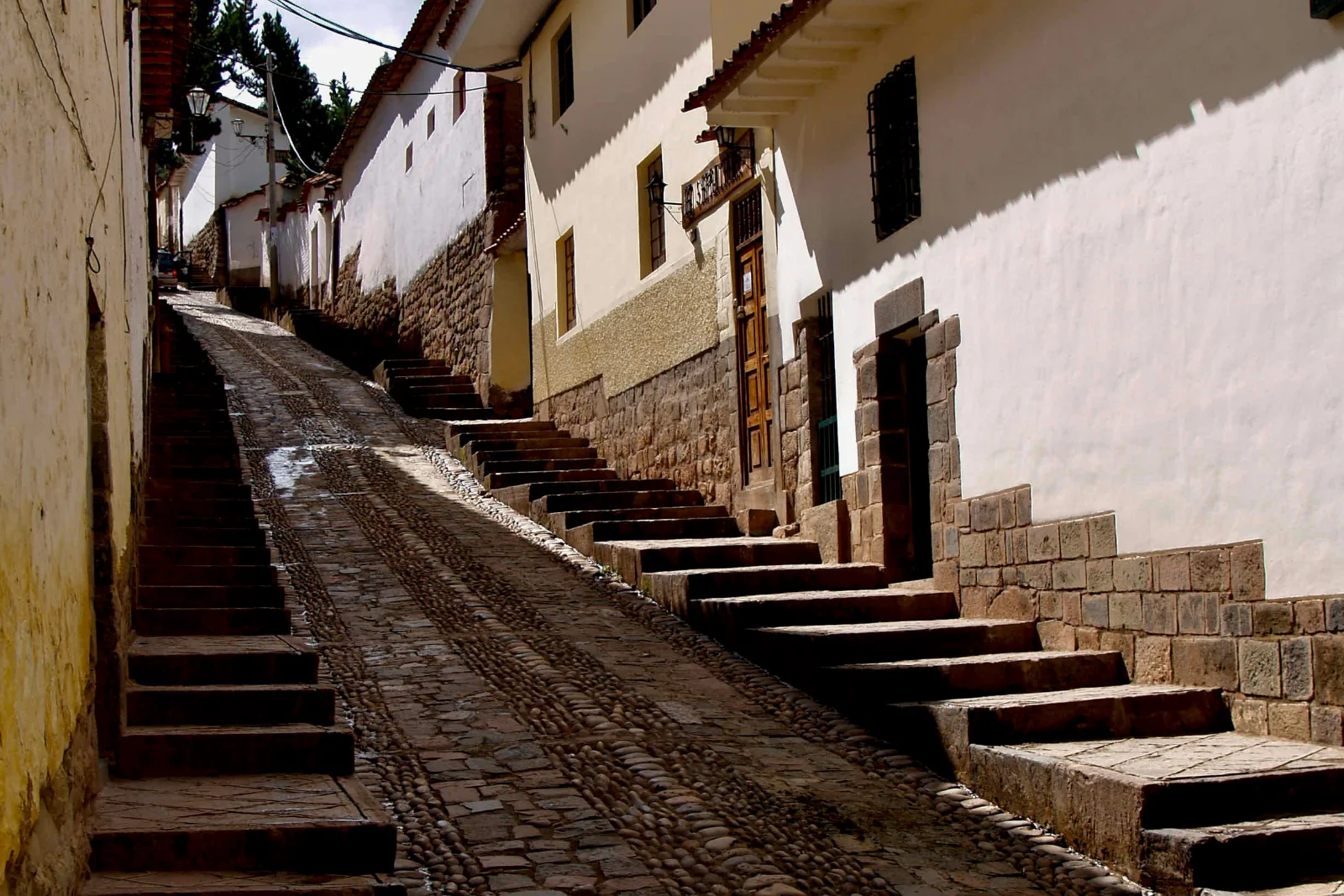
San Blas climbs the hill above the square, and what we hold there is four colonial houses rather than hotels, with Inca terraces under one and eighteenth-century walls around another. The trade is the climb itself, which is a different proposition at this altitude at the end of a long day.

A steep cobbled Cusco lane climbing between stone steps, whitewashed walls standing on Inca stonework
The climb: cobbles between stone steps, and Inca walls under the whitewash

Our three, chosen from 4

  • Antigua Casonafrom $170

    Hot-water bottles arrive at turndown, a small detail that makes cold Cusco nights feel quietly considered.

    4-star · 9.8 · 1,243 reviews
  • Hostal Corihuasifrom $44

    An 18th-century colonial house built over Inca crop terraces opens to rooftop views across historic Cusco.

    3-star · 9.1 · 1,313 reviews
  • Palacio Manco Capacfrom $80

    Original Inca foundations give the mansion its gravity, with garden rooms keeping the atmosphere calm.

    4-star · 9.5 · 581 reviews

Rating and review count checked August 2026.

Every Cusco stay we hold is walkable to the center, so the hotel changes the street you step onto rather than the shape of the week. The altitude does more than the address here, which is why the route keeps the heaviest day off your first one whichever district you choose.

You can see that order in how a five-day Cusco week is built.

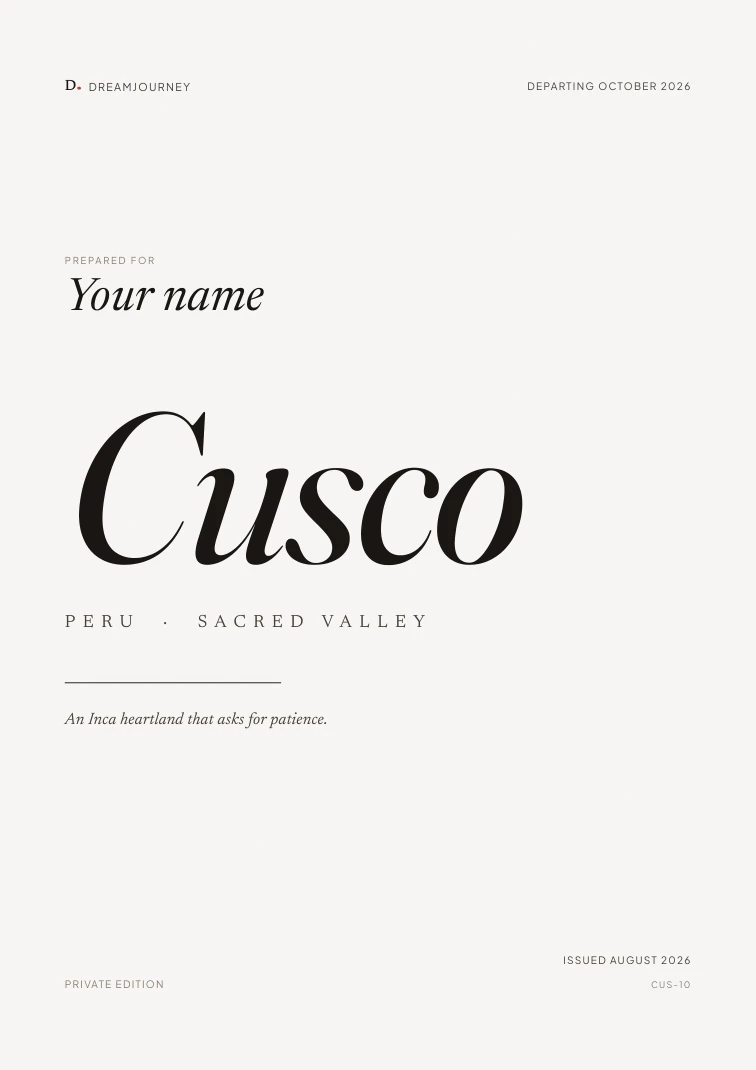
Cover of a Cusco edition, prepared for one traveler
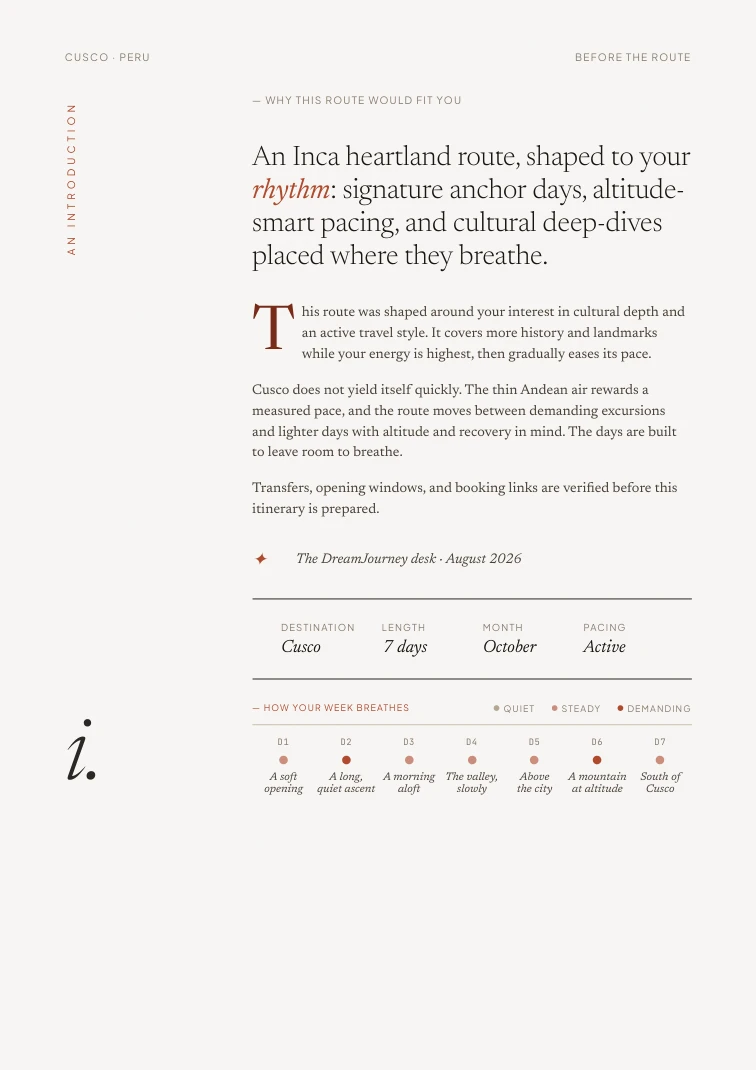
The route introduction and the week paced day by day
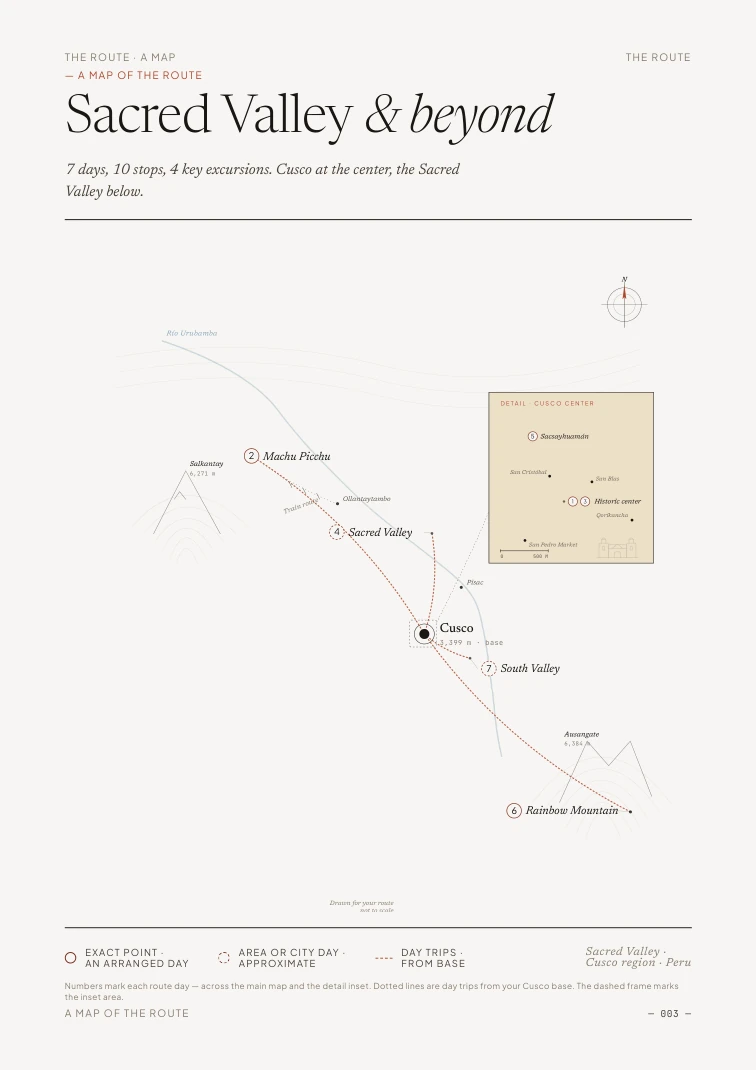
A route map of Cusco and the Sacred Valley with a city inset
The Machu Picchu day, with notes, access, and an audio guide
Three selected Cusco hotels with ratings and nightly rates
Climate, connectivity, transport, and safety before arrival
Emergency numbers for Cusco and the closing page

Your edition opens with your name

The object itself

See a real Cusco guide before you decide

Look through the pages, then judge the object rather than the promise.

Hear a moment from the guide

Machu PicchuAudio guide
0:00
Seven pagesIn order
In your namePrivate edition
LiveEvery booking link

Why a route, not a list

The hard part is the order

Nothing above is a secret. Choosing the places is the part of a Cusco trip that answers itself. The order is not.

Over the days you have, for the people going, they stop being a list and become an arrangement. That is the work.

The reason begins with the altitude, and the Journal takes it further: Why altitude changes the shape of a Cusco trip.

QuietSteadyDemanding
  1. D1A soft opening
  2. D2A long, quiet ascent
  3. D3A morning aloft
  4. D4The valley, slowly
  5. D5Above the city
  6. D6A mountain at altitude
  7. D7South of Cusco

One example week in Cusco, at an active pace. Every route is different, and yours is shaped by the answers you give.

The first day is not yours

The city sits at 3,399 meters, and the first day belongs to doing very little. So the highest ground has to wait. Everything else shifts behind it.

The city sits at3,399 m

The two highest rest

The two that climb highest, one above four thousand meters and one above five, are also the only two we rest for part of the year, and the months they sit out are the four wettest months of the year.

Out of routesJan · Feb · Mar · Dec

Not every hour is an excursion

A route also needs ordinary hours: to eat unhurried, to sit in a square doing nothing, to sleep enough for the next early start.

Room to do nothingEvery route

What arrives

What every Cusco route draws on

A route names the specific places, puts them in the order they belong, and carries the links to book them.

32

Verified stays

Chosen for strong reviews, location, consistency, and quality at every level.

12

Tables, each mapped

Selected for strong ratings, substantial reviews, cuisine, and atmosphere.

15

Experiences · 12 bookable

Major sights, excursions, landscapes, museums, markets, and local stops, with the evenings planned as carefully as the days.

4

Places with audio · Signature

Voiced for the moments that gain from context, and written for the place rather than the itinerary. Included with Signature.

Printable A4 guide to keepYour name on the coverAdd the route to your calendar

Cusco does not hurry,
and the mountains keep the time.
The early days stay gentle,
so the height is yours to climb.

Five days or seven?

The difference is not two more empty days. It is what the route can hold without placing the heavy ones together.

Five days

Five days hold Machu Picchu and, at most paces, the Sacred Valley. A slow route keeps Machu Picchu and gives the Valley up.

Explore the 5-day itinerary

Seven days

Seven days hold Machu Picchu and the Sacred Valley in every route measured, then open a separate mountain day when season and pace allow.

Explore the 7-day itinerary

An Inca heartland that asks for patience.

What comes back is your days in order.

Tell us how you like to travel. We organize everything else.

Plan a Cusco route

30-day money-backOne-time, no subscriptionEvery booking link checkedBuilt from verified local knowledge