Cancún/Destination guides
Cancún for couples
The beach is where Cancún starts, not where it ends. How the two of us spent our days there, and the evening we liked best.

At a glance
- BEACHES
- Most face the sunrise
- BEST HOURS
- Mornings, quieter sand
- ISLA MUJERES
- Catamaran day on the water
In this article
We are Melissa and Aleksejs, and we build DreamJourney routes together. Cancún is one of the three cities we write routes for, and the photographs with us in them are our own.

We came for the sea and found a week of very different days: a park built around underground rivers, a pyramid inland, a colonial town, and an evening at a theater table. Here is how we put them together.
The beaches
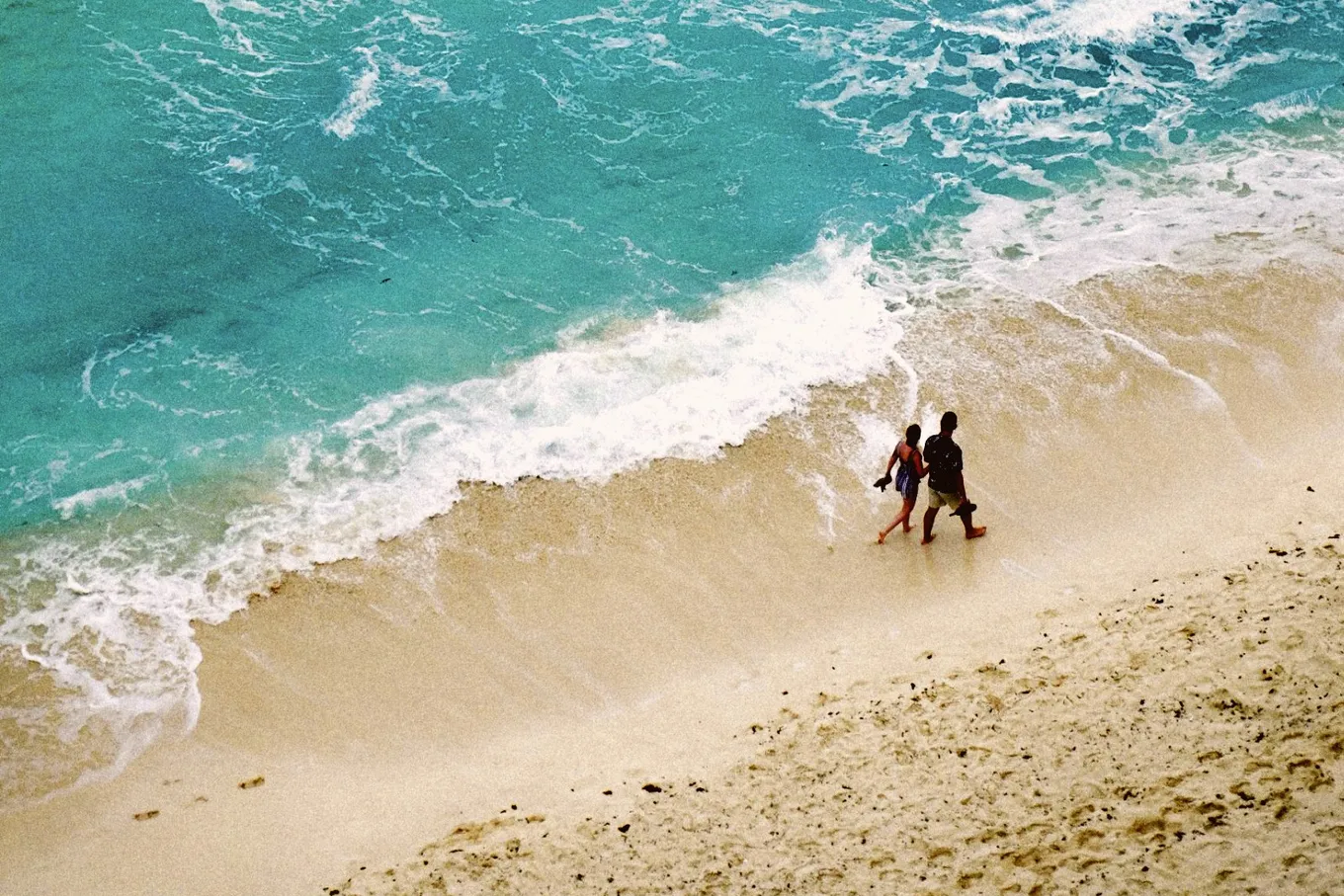
We loved the beaches, and the Hotel Zone most of all. Most of its beaches face east, so the sun comes up over the Caribbean and the morning light falls straight on the water. Mornings on the sand are also quieter than the middle of the day.
A day on the beach needs little planning. Shade does, because the sun is strong from mid-morning.
In the Hotel Zone, the morning belongs to the sea.
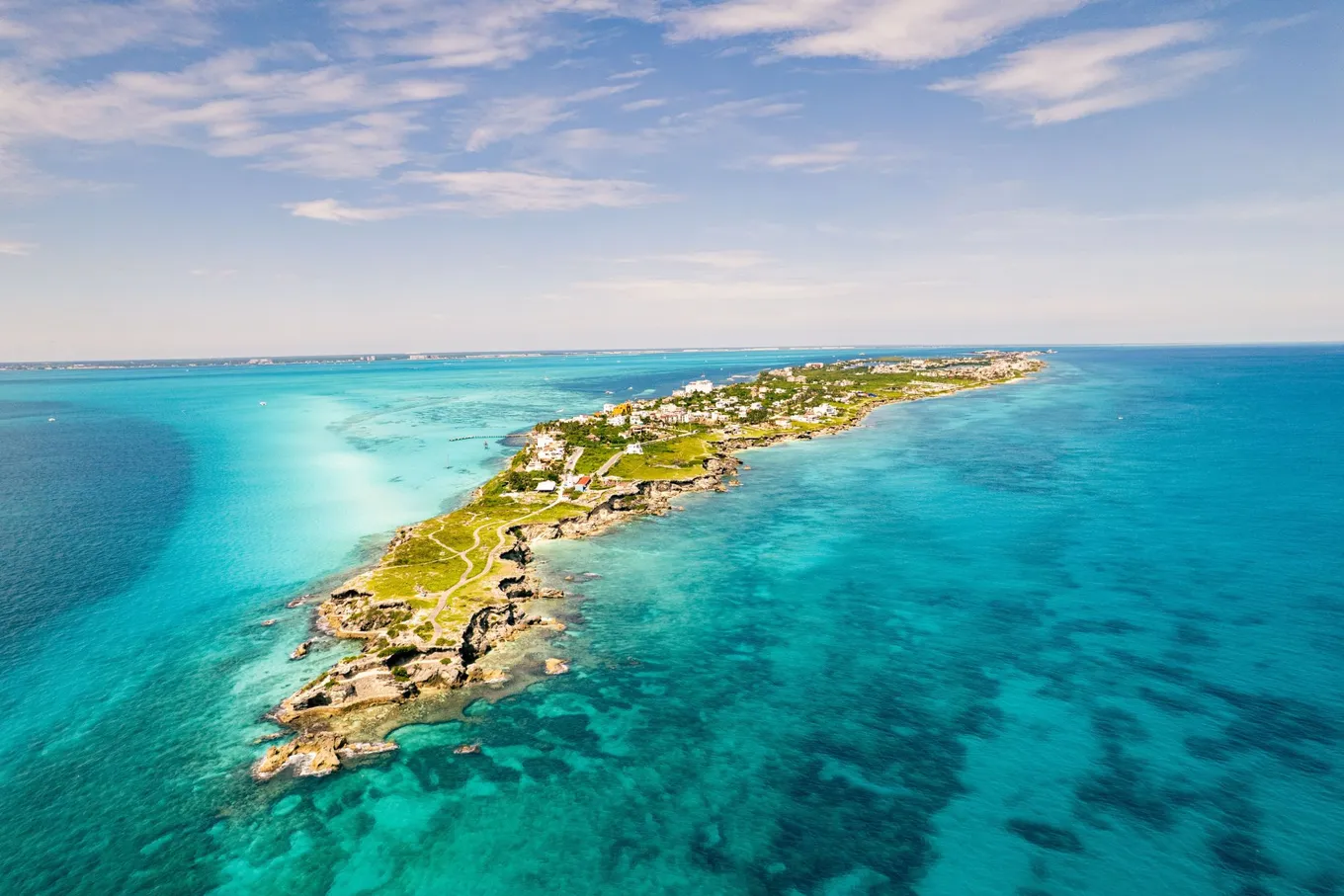
For a day on the water, the catamaran to Isla Mujeres crosses to an island the Spanish named for the Ixchel figurines they found there, offerings to the Mayan goddess of the moon.
A day at Xcaret
We liked Xcaret, and it fills a whole day. It is an eco-archaeological park built around underground rivers and the Caribbean shore, and the day moves between limestone caves, mangroves, and a large cultural show in the evening.
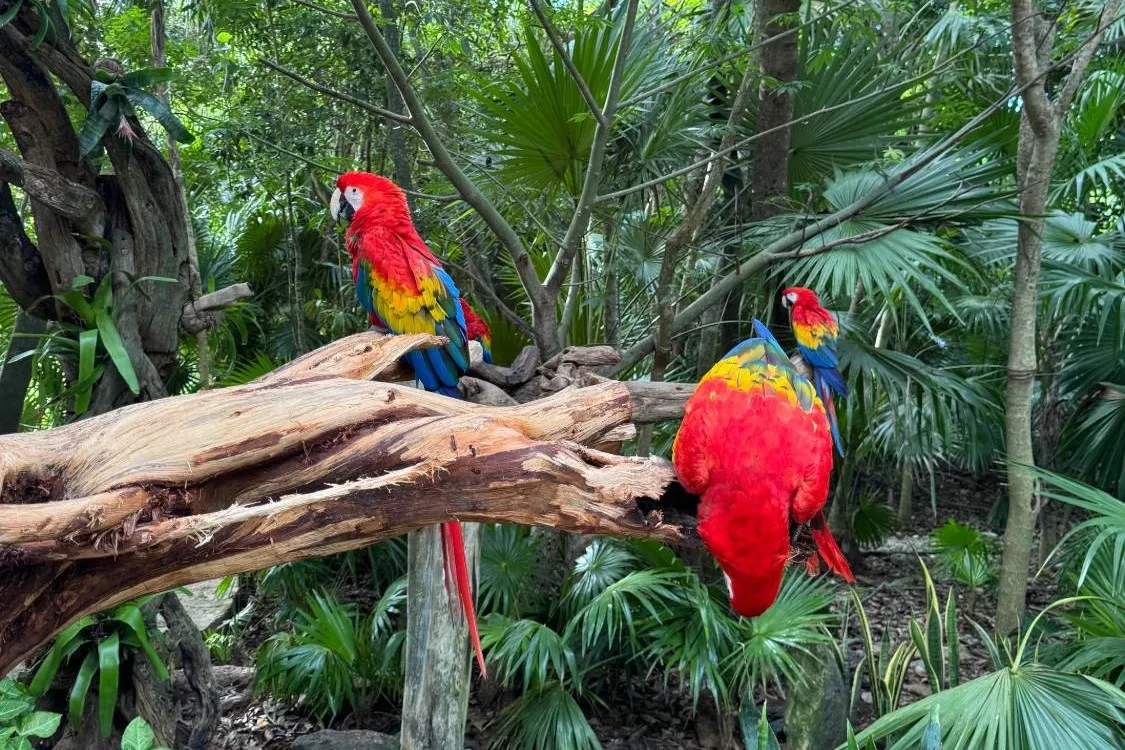
Behind the rides, the park breeds scarlet macaws and releases turtle hatchlings into the sea. Plan the day around the show times, and bring water shoes and a dry bag for the rivers.
A pyramid inland
Chichén Itzá sits about 200 kilometers inland, in the state of Yucatán, and the day runs about twelve hours door to door. El Castillo has ninety-one steps on each of its four faces. Add the platform at the top and the total is the number of days in the year.
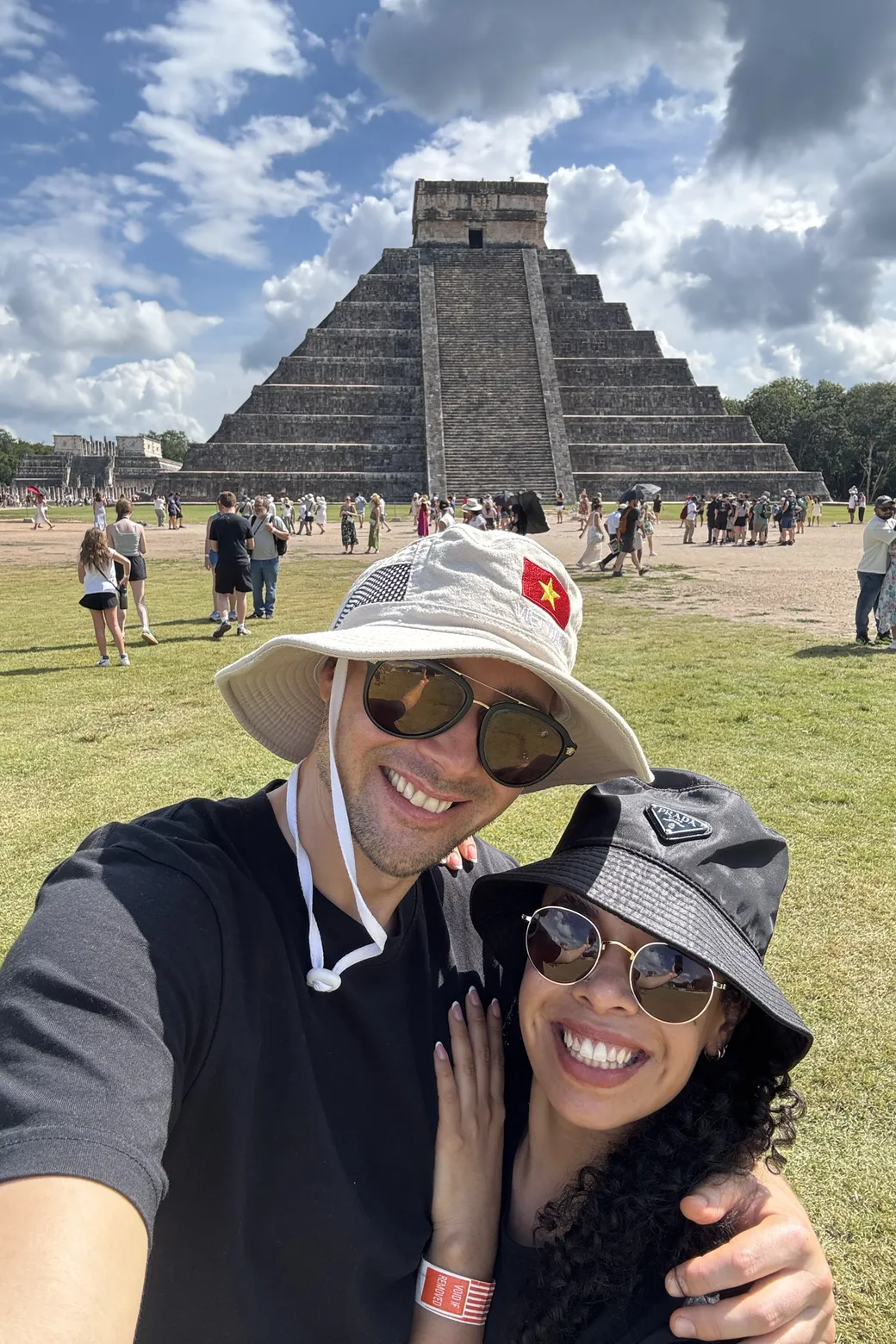
The pyramid can no longer be climbed, and the walking is long and flat in open sun. Bring water and a hat. Yucatán also keeps its clocks an hour behind Cancún, which catches people out on the way back.
A swim underground
A cenote is a natural sinkhole in the limestone, open to the groundwater beneath it. Most Chichén Itzá tours stop at one after the site, and after hours on hot stone the cool water is welcome.
Which cenote you visit depends on the tour. Light reaches some only through an opening in the roof, and the rock around it hangs in long, wet columns.
Valladolid on the way back
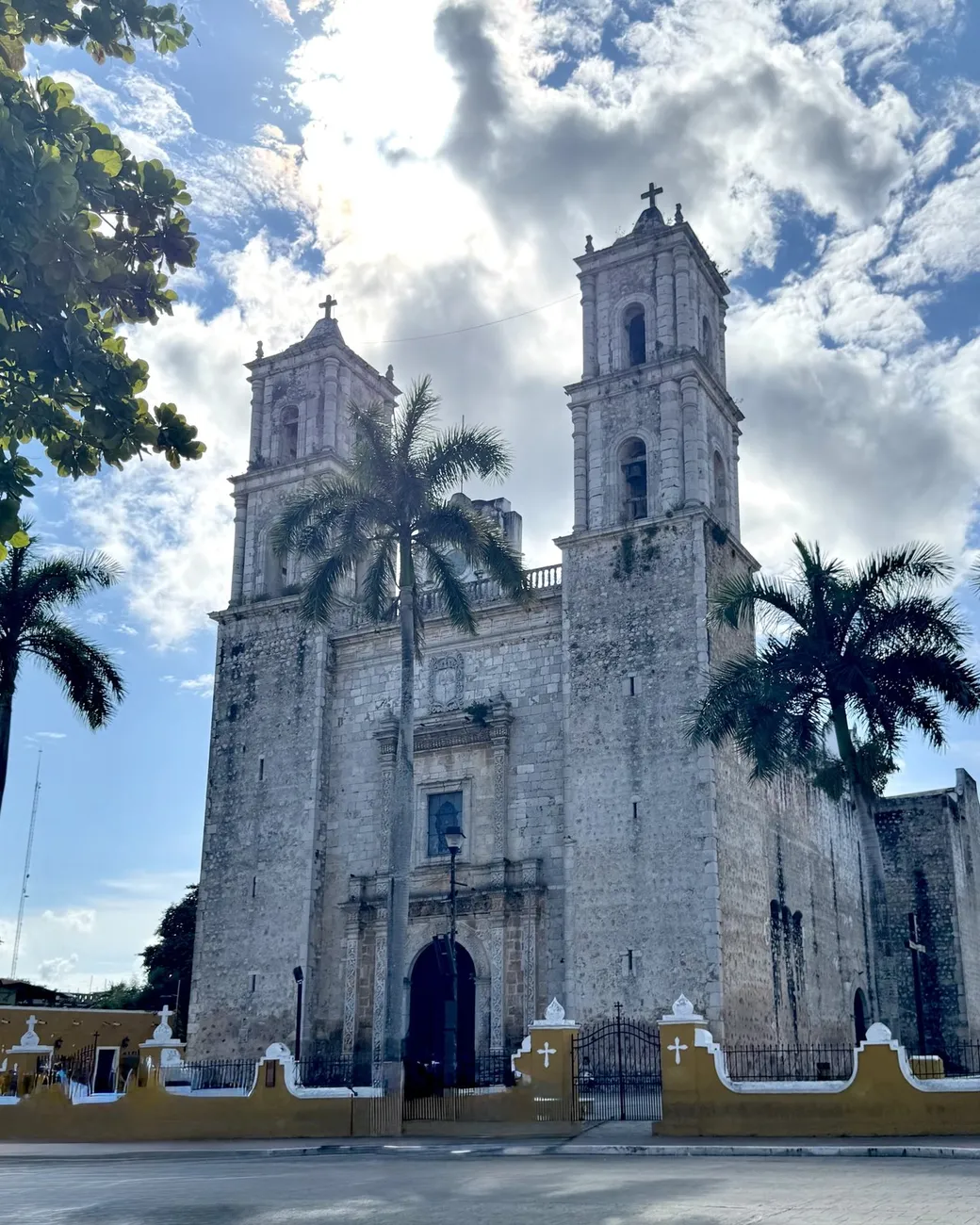
Valladolid is usually the last stop, a colonial town between the ruins and the coast. Its main church, San Servacio, was rebuilt in 1706, after the old church was demolished. Unlike most colonial churches in Yucatán, it faces north.
Give the main square a few minutes, even if the tour gives you few. It is the calmest half hour of a long day.
The evening we liked best
JOYÀ was our favorite night in Cancún. It is Cirque du Soleil's first permanent home in Latin America, and you watch from a dinner table, close enough that nothing on stage feels far away. Dinner is timed to the performance.
Dinner and a stage, without leaving the table.

JOYÀ runs Tuesday through Saturday, so check those nights against your dates before you book. For a louder night, Xoximilco puts you on a shared boat in the mangroves, with mariachi and shared plates.
Our days, in a route
We wrote about why a Cancún week should mix very different days in Why Cancún should not be planned as one kind of trip, and about the long day inland in Chichén Itzá from Cancún. The same days sit in our free routes for 3 days, 5 days, and 7 days in Cancún.
Worth knowing
- JOYÀ, Cirque du Soleil's first resident show in Mexico, opened in November 2014 in a theater of only 600 seats.
- A beach day needs little planning, but shade does, because the sun is strong from mid-morning.
- Cash is still king. Cards work in resorts and restaurants. Carry some cash for taxis and markets.