Cancún/Practical advice
Is Cancún safe?
What three governments say as of October 2026, and the everyday habits that shape a Cancún trip more than any headline.

At a glance
- US ADVISORY
- Level 2 for Quintana Roo
- WATER
- Bottled water only
- FROM AIRPORT
- Transfer or official taxi
In this article
Much of what the advisories and our catalog warn about on a Cancún holiday is ordinary: the sea, the sun, the ride back to the hotel, and the last drink of the night. The news about Mexico is real, and the US advisory treats the country state by state. Here is what the official advisories say, in their own words, and what our Cancún catalog notes for each part of the day.
What the travel advisories say
As of October 2026, the US State Department advisory for Mexico, issued on May 29, 2026, places Quintana Roo, the state Cancún belongs to, at Level 2. Its wording is "exercise increased caution due to terrorism and crime," and it advises staying in well-lit pedestrian streets and tourist zones after dark.
The UK Foreign Office, in advice updated on October 16, 2026, says to "be very cautious after dark in downtown areas of Cancun, Tulum and Playa del Carmen." It adds that "gangs have not targeted tourists, but violent incidents could affect anyone nearby." Canada, in advice updated the same day, asks travelers to Mexico to "exercise a high degree of caution."
Read together, the three say the same thing in different tones. Cancún is not a place to avoid, and not a place to switch off. Our own catalog puts it in one line: the Hotel Zone is relatively controlled, and basic precautions still matter outside the resort bubble and after dark.
Read the flag, settle the ride, and keep your glass in sight.
Advisories change. Before you fly, open the current pages of the US State Department, the UK Foreign Office, and the Government of Canada, and read the date at the top.
The sea comes first
The Caribbean side of the Hotel Zone changes within a few kilometers. Our catalog marks Playa Marlín for stronger surf than the inner beaches, with a flag system for safety, and Playa Delfines for strong surf and powerful ocean currents. Playa Chac Mool has lifeguards on duty, and the advice there is to check the flag before swimming.
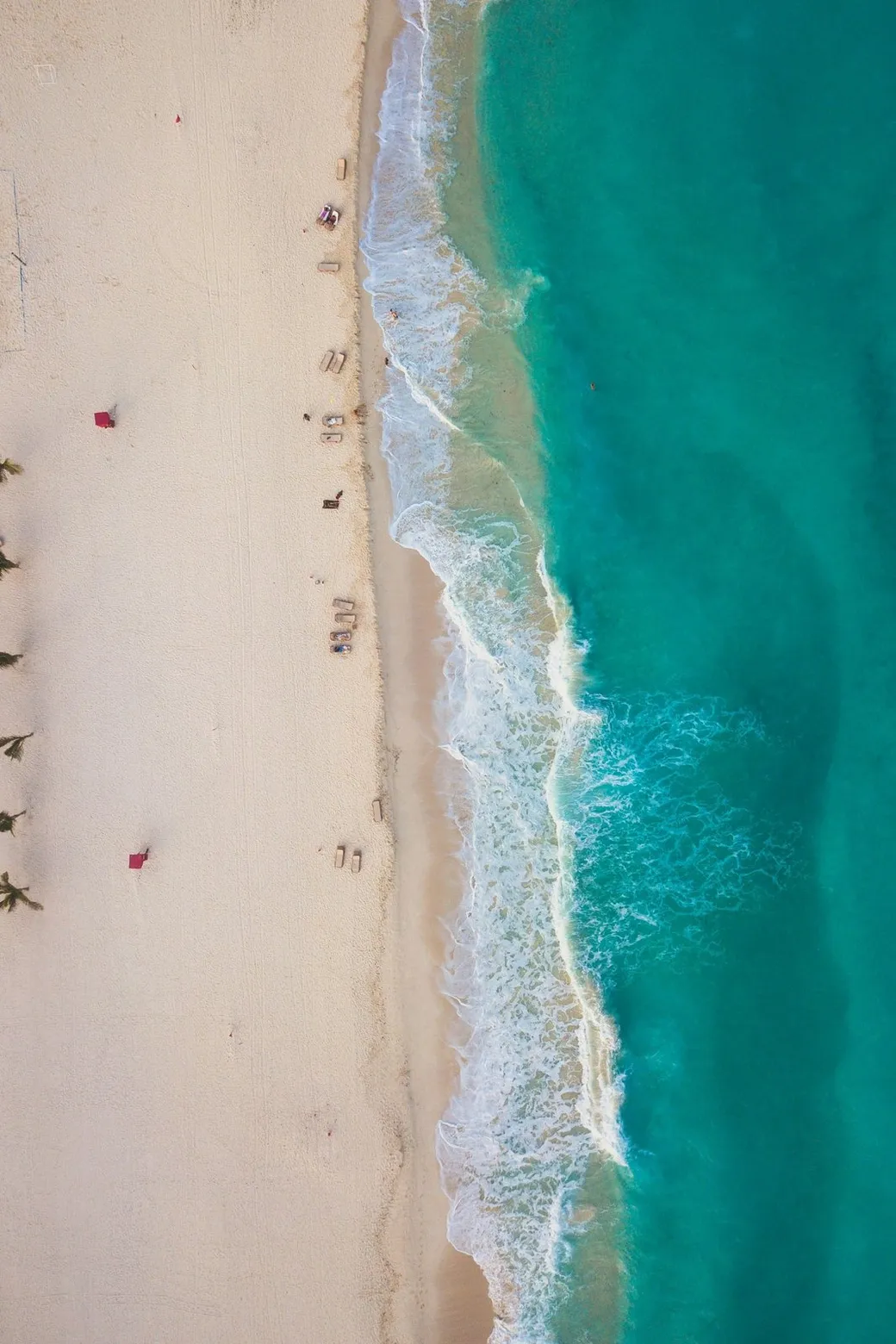
On the bay side, Playa Langosta sits on the sheltered Bahía de Mujeres, so the swell that works the eastern strip barely reaches it. That is the beach to choose when the wind is up.
Canada's advice notes that riptides are common in Mexico and that many beaches lack warning flags. The UK adds that sea conditions can be unpredictable and some beaches are unpatrolled. So swim where a lifeguard is working, read the flag before you go in, and leave the water when it turns rough.
Leave the lagoon to the boats. The UK advice mentions crocodiles in lagoons, Cancún's among them, and on our Nichupté boat tour the catalog note is plain: crocodiles live here, so keep your hands in the boat. We compare the beaches one by one in Which Cancún beach is best for you?.
Taxis, apps, and the airport
Transport is where Cancún is most particular. Uber is restricted at the airport, so book a transfer ahead or use the official taxi booths. In town, Uber and DiDi work, but availability varies by area, and parts of the Hotel Zone may need a short walk to a designated pickup point.
The UK notes that licensed taxi drivers protesting against Uber have blocked roads near Cancún hotels and have pulled tourists out of Uber cars. Its advice is to use regulated sitio taxis or ones ordered by your hotel, and authorized prepaid services at airports. For short trips along the Hotel Zone, the Hotel Zone buses are the everyday option.
Settle the ride home before the evening begins.
Evenings and drinks
Night is where the advisories concentrate. Canada warns of drink spiking in nightclubs and bars, and notes that some bars overcharge. The UK's advice is not to leave drinks unattended.
Coco Bongo is a crowded late-night venue, and the catalog's note there is the one that holds for every evening out: keep valuables discreet. Xoximilco ends late, and transport there is arranged in advance as standard. Our catalog's advice for the city is to stay in the tourist areas and avoid poorly lit streets outside the Hotel Zone. Agree the ride back before you go out, and if you walk, keep to well-lit streets and the tourist areas. We wrote about the three kinds of evening in Cancún at night: is Coco Bongo worth it?.
Water, cash, and the small things
Drink bottled water only. Avoid tap water, including in hotels and resorts. Cards work in resorts and restaurants, but carry some cash for taxis and markets. The UK advises using cash machines in daylight and inside shops rather than on the street.
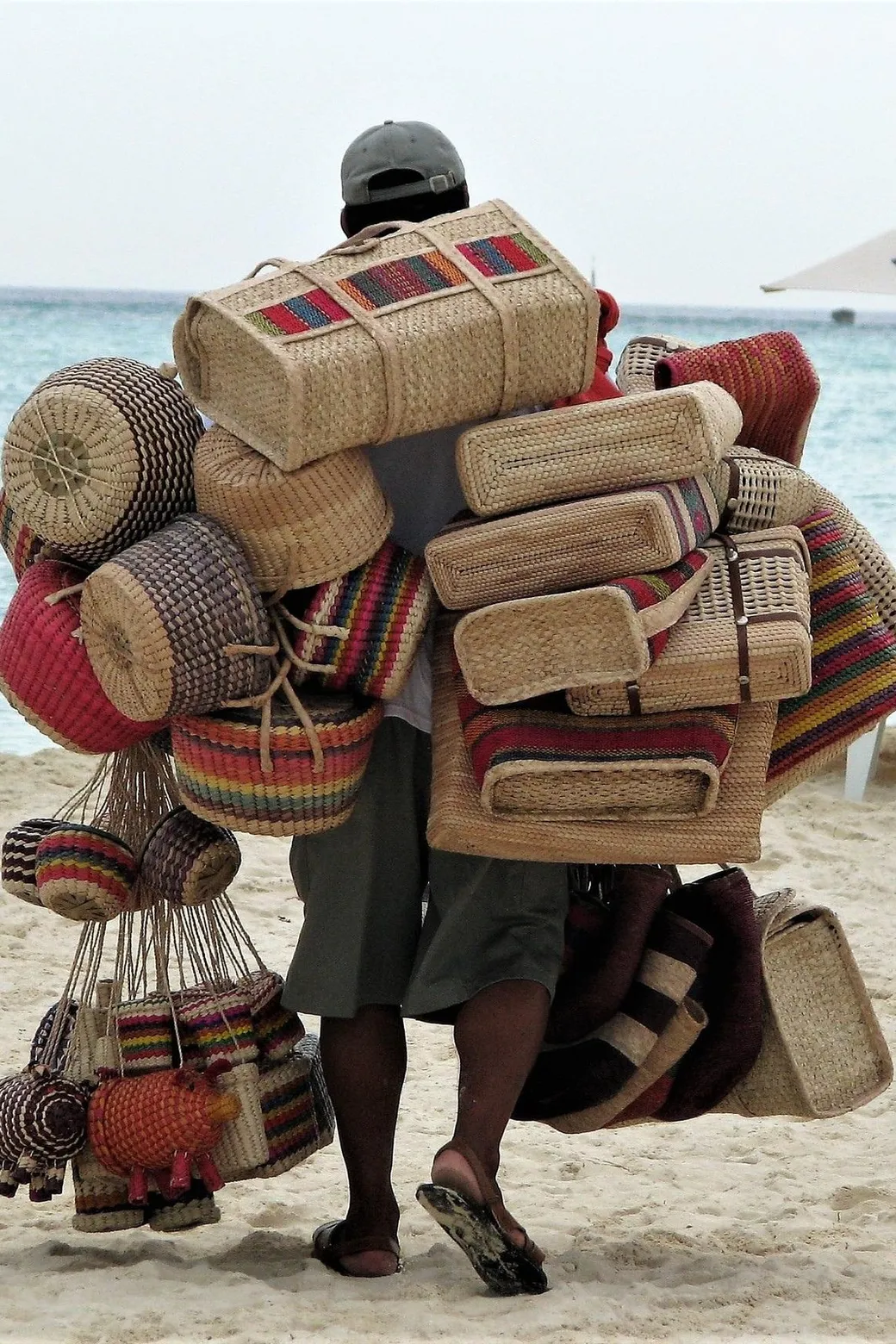
Near the tourist zones, our catalog notes overpricing and pushy sellers. Confirm the price before you agree to anything, from a taxi to a basket on the sand. Use the hotel safe, keep valuables discreet on the beach, and ask locally before walking somewhere new at night. The hotel desk is the easiest place to ask, and the question costs nothing. Before landing, save your hotel and the official transfer meeting point in your maps app, and keep your bookings on WhatsApp, which hotels, transfers, and tours here use for confirmations. The emergency number in Mexico is 911, for police, fire, and medical help.
Weather and the season
The Atlantic hurricane season runs from June 1 to November 30, according to NOAA, and activity peaks in early to mid September. Sargassum seaweed reaches the beaches in some months and some years more than others, and Quintana Roo publishes a beach-by-beach traffic light for it, while Mexico's Navy, SEMAR, tracks the seaweed still out at sea. We explain both in When is the best time to visit Cancún?.
The sun is strong, especially at midday, and at Chichén Itzá and Tulum the ruins stand in open sun. Drink water through the day, and start demanding plans early.
Our free routes for 3 days, 5 days, and 7 days in Cancún are built from the same catalog these notes come from.
Worth knowing
- Cancún's airport handled more than 29 million passengers in 2025, about 80,000 a day, according to its operator, ASUR.
- Use cash machines in daylight and inside shops rather than on the street, as the UK advises.
- Cash is still king. Cards work in resorts and restaurants. Carry some cash for taxis and markets.