Rio de Janeiro/Practical advice
Is Rio de Janeiro safe?
What three governments say as of October 2026, and the habits that let you enjoy the beaches and the evenings with a clear head.

At a glance
- US ADVISORY
- Level 2, August 2026
- PHONE
- Keep it out of sight
- RIDES
- Uber, 99, or official taxi
In this article
Rio asks for street sense, and the official advice is frank about it. It is also specific. Much of what it warns about is theft of phones and bags, drinks left unwatched, and rides taken from the curb. Each has a simple habit that goes with it. Here is what the advisories say, in their own words, and what our Rio catalog notes for each part of the day.
What the travel advisories say
As of October 2026, the US State Department advisory for Brazil, issued on August 31, 2026, places the country at Level 2, "exercise increased caution." It warns that spiked drinks are common, "especially in Rio de Janeiro," and asks for caution near popular tourist locations in Rio and on isolated hikes.
The UK Foreign Office, in advice updated on October 14, 2026, notes that phone theft is common, especially between 4 and 9 p.m., and that thefts are common on public beaches. Canada, in advice updated the same day, asks travelers to "exercise a high degree of caution" in Brazil, with regional advisories, and says that robberies can occur anywhere, including in all tourist areas of Rio.
None of the three tells you to stay away from Rio. All three warn about drinks, and the UK adds phones and taxis hailed on the street. Our own catalog says the same in one line: Copacabana, Ipanema, Leblon, and Botafogo are the usual bases, keep phones out of sight on the street, and ask locally after dark.
In Rio, the phone in your hand is the thing to think about first.
Advisories change. Before you fly, open the current pages of the US State Department, the UK Foreign Office, and the Government of Canada, and read the date at the top.
The phone and the street
Keep your phone out of sight on the street, and leave watches and jewelry at the hotel. Phone theft is common, according to the UK, so the less time the screen spends in your hand on the pavement, the better.
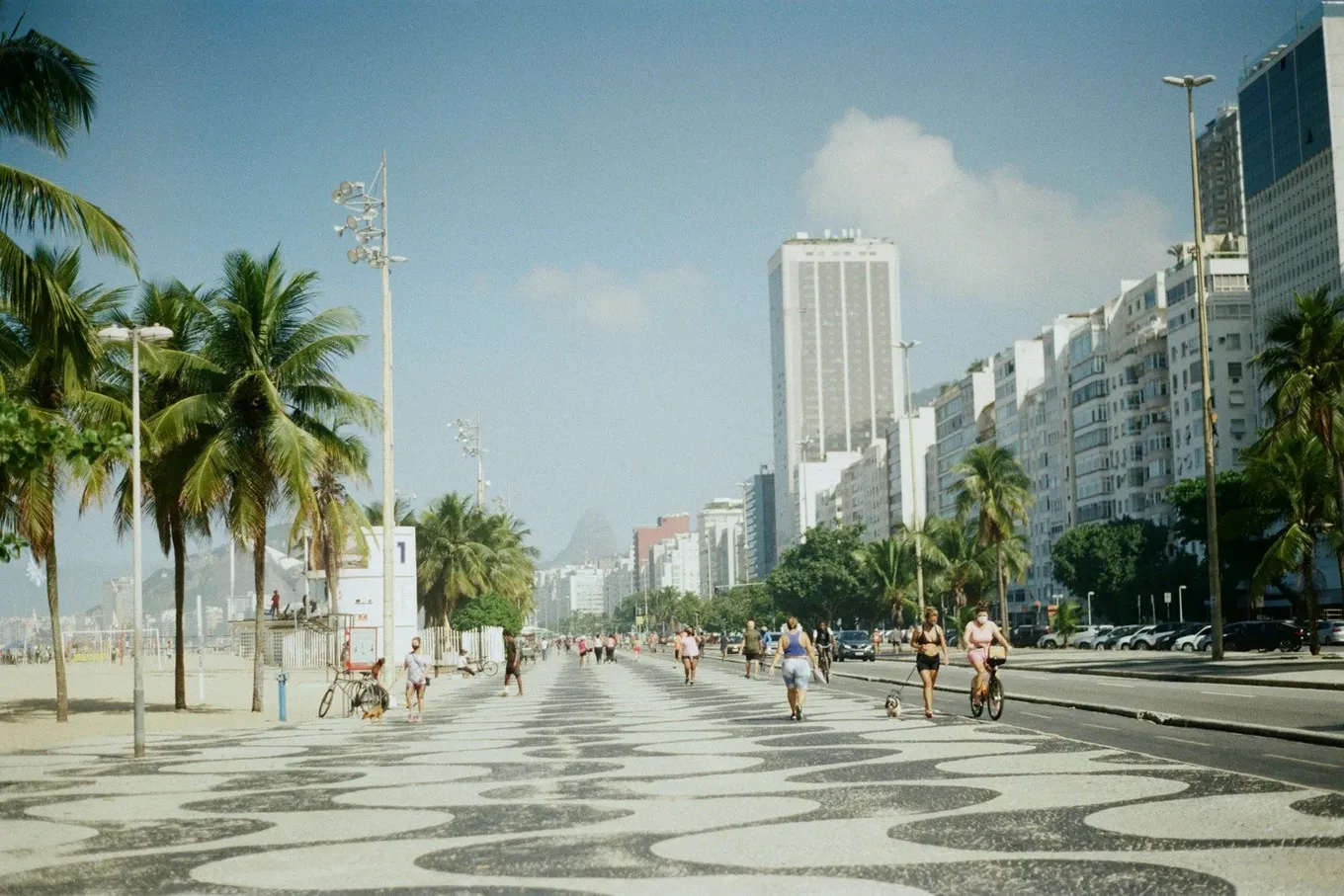
On crowded beaches and buses, our catalog notes pickpocketing, and the advice is to keep bags closed and in front of you. The same note appears at the Feira Hippie in Ipanema, where pickpockets work the busy hours, and on the Santa Teresa tram, where bags stay close while it moves.
Carry only what the day needs. Cards are widely accepted across the city, and small cash covers beach kiosks, markets, and tips. Canada warns of express kidnappings in the Rio area and advises using cash machines inside banks or businesses, which is the simple habit to keep.
Beaches by day
The beach is where Rio lives, and our catalog's notes there are about the sea as much as about bags. Copacabana has strong sun and rip currents, so swim near the lifeguards. Ipanema has a heavy shore break, so watch the beach flags before going in.
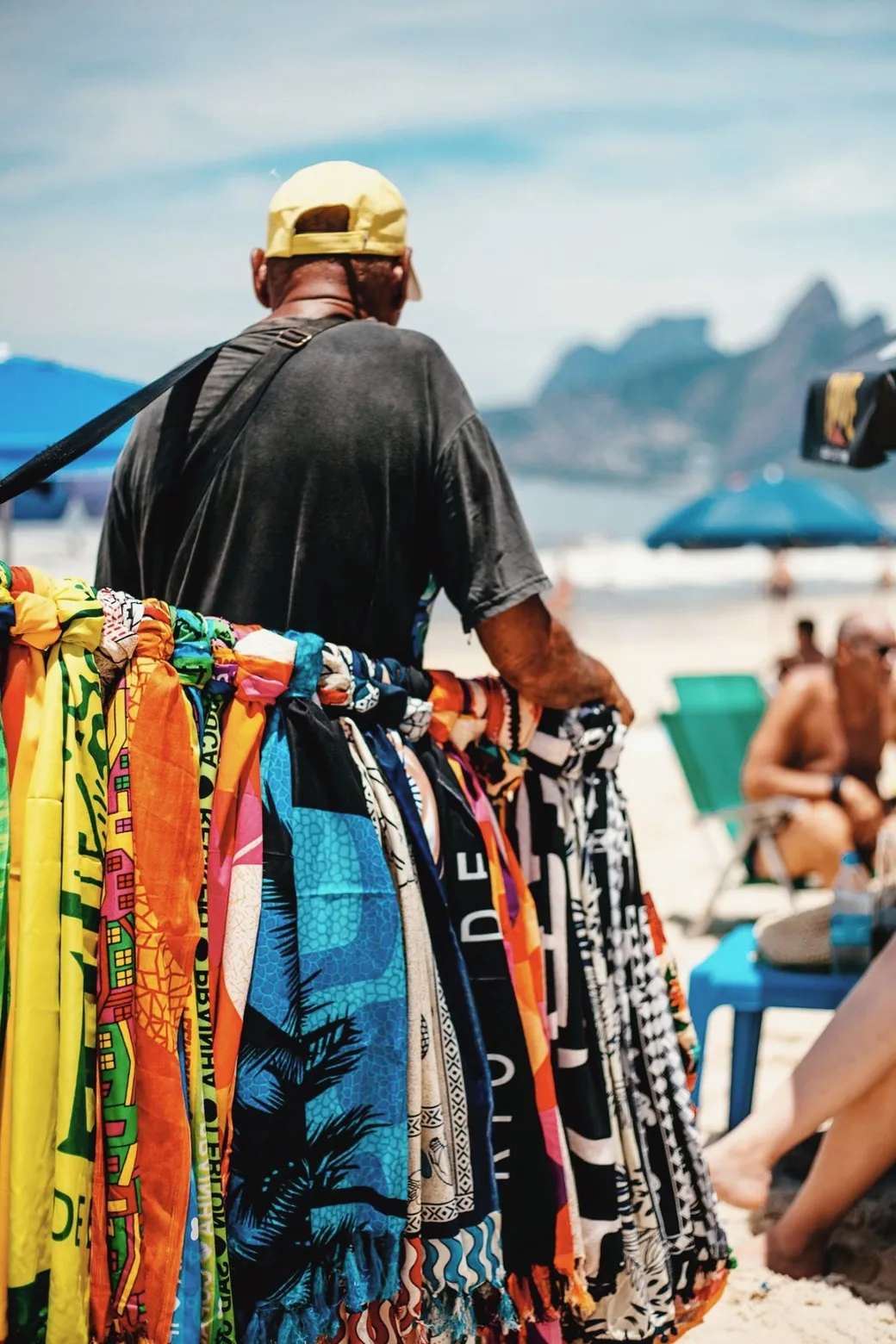
Take to the sand what you would not mind losing: a towel, a little cash, sunscreen. Vendors walk the sand with drinks and snacks, so there is little reason to bring more. Thefts are common on public beaches, according to the UK, and Canada names arrastões, mass robberies on beaches. Neither is a reason to skip the beach. They are reasons to leave the phone at the hotel, or at least out of sight.
The UK's advice is direct: "Do not go on to city beaches after dark." Watch the sunset from Arpoador, then leave the sand as the light goes. We compare the two main beaches in Copacabana or Ipanema?.
Evenings and drinks
All three advisories mention drinks. The US calls spiked drinks common in Rio, Canada says spiked food and drink incidents are increasing in Brazil, particularly in Rio de Janeiro, and the UK's advice is to "buy your own drinks and keep them in sight." Order at the bar yourself, and keep the glass in your hand.
Pedra do Sal is a crowded night street, and our catalog's note there is to keep valuables discreet. The Roxy dinner show finishes late, and the note is to arrange the ride back first. That is the rule for every evening in Rio. We wrote about where the evenings go in Rio de Janeiro at night.
Book the ride home before the music starts.
Rides, the airport, and the hills
Use Uber, 99, or an official taxi, and check that the plate and the driver match your booking before you get in. Both apps pick up at the airport, and official taxis and pre-booked transfers do too. The UK advises against hailing taxis on the street.
The US advisory asks for caution on isolated hikes. Pedra da Gávea and the Tijuca Forest waterfalls appear in our catalog as guided trips, and a guide is the sensible way onto a quieter trail.
The UK advises against visiting favelas, including tours marketed to tourists, and Canada lists two areas of Rio, the Complexo da Maré and the Complexo da Penha, under "avoid all travel." Read the regional section of each advisory before you plan anything outside the beach districts.
Water and emergencies
Drink bottled or filtered water, which is sold in shops and kiosks across the city. The beach sun is strong even under cloud, so drink through the day.
The emergency numbers in Brazil are 190 for the Military Police, 192 for the SAMU ambulance service, and 193 for the fire brigade. For theft reports and lost documents, the tourist police, DEAT, are in Leblon at Avenida Afrânio de Melo Franco 159. For immediate danger, call 190.

Our free routes for 3 days, 5 days, and 7 days in Rio are built from the same catalog these notes come from.
Worth knowing
- Rio welcomed about 12.5 million visitors in 2025, roughly two for every resident, according to the city government.
- For theft reports and lost documents, the tourist police, DEAT, are in Leblon at Avenida Afrânio de Melo Franco 159.
- Cash is still king. Cards are widely accepted. Keep small cash for beach kiosks, markets, and tips.