Cancún/Day trips
Tulum or Chichén Itzá?
Two Maya cities, two long days from Cancún. One stands on a cliff above the sea, the other on the plain far inland.

At a glance
Tulum
- Duration
- 10 h
- Starts
- 7:00 a.m.
- Effort
- Moderate
Chichén Itzá
- Duration
- 12 h
- Starts
- 8:00 a.m.
- Effort
- Moderate
If you have time for one ruin from Cancún, the choice usually comes down to these two. They are not two versions of the same day. Tulum is a site on the coast, with a swim built into the day, and Chichén Itzá is a monumental site that fills the day on its own.
Tulum, the port on the cliff
Tulum was one of the last Maya cities still lived in when the Spanish arrived. It was a walled trading port on the sea, and its name means wall. Sixteenth-century sources call it Zama, likely dawn, for a city that faces the sunrise over the Caribbean.
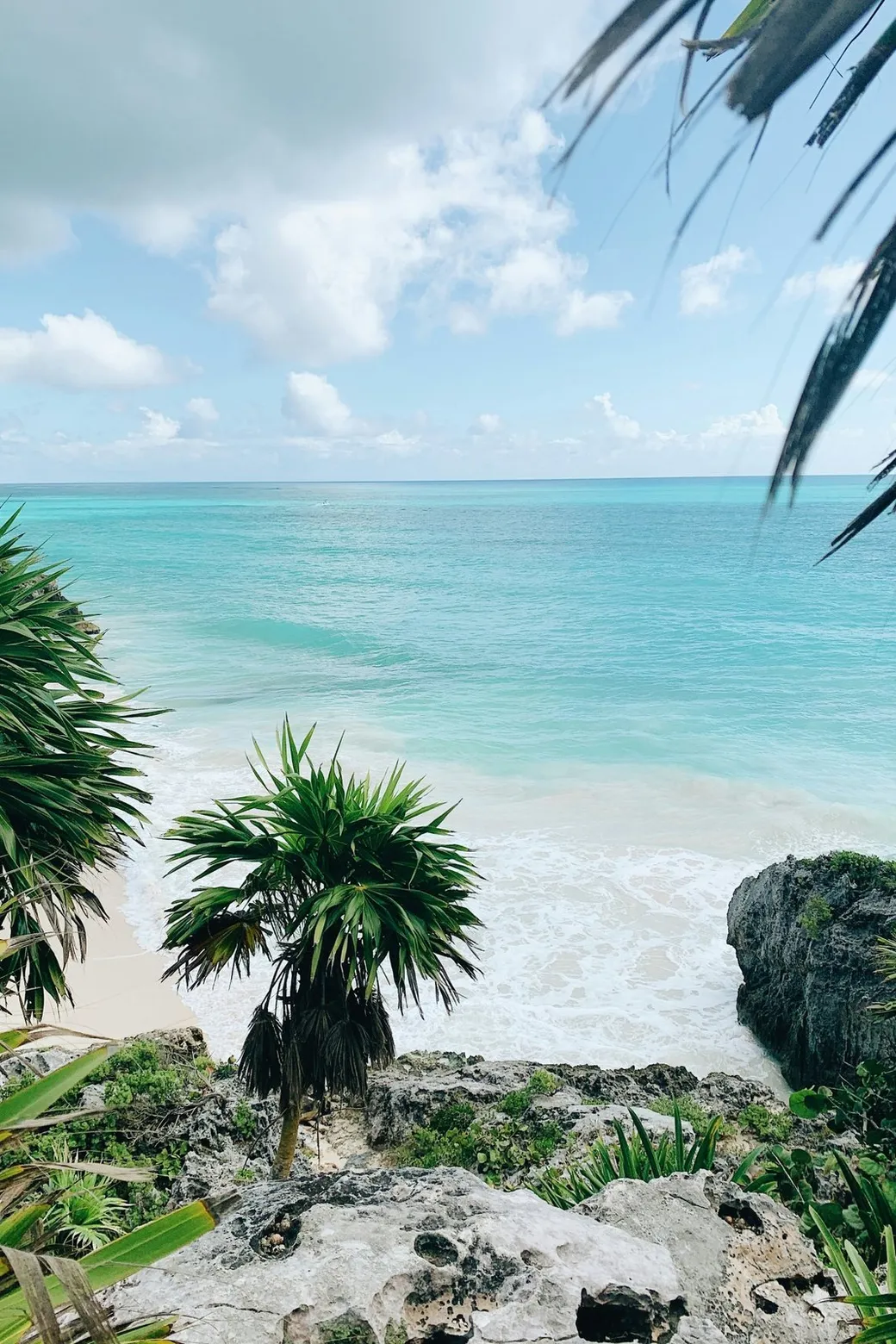
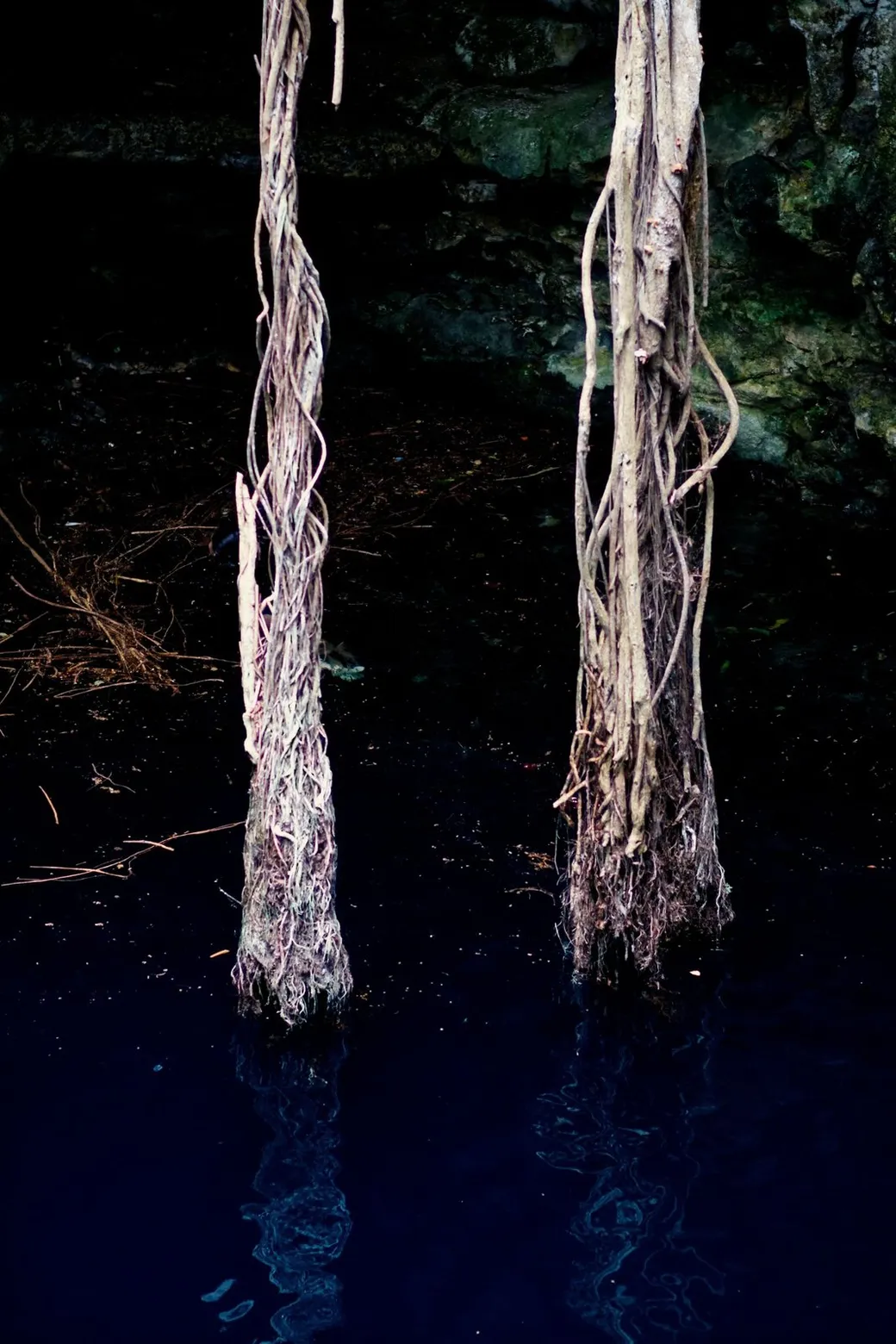
The tour in our catalog runs about ten hours and pairs the ruins with a swim in a cenote and a stop in Playa del Carmen. The site is quietest early and late in the day, before and after the midday flow of tours.
The city stands at the edge of the cliff, with the beach directly below it, so the day moves between stone and water. A Maya city and a Caribbean swim fit into the same outing. Tulum lies south of Cancún on the same coast as Playa del Carmen, so the drive there and back runs down the coast.
At Tulum the city faces the sea. At Chichén Itzá it faces the sky.
Chichén Itzá, the calendar in stone
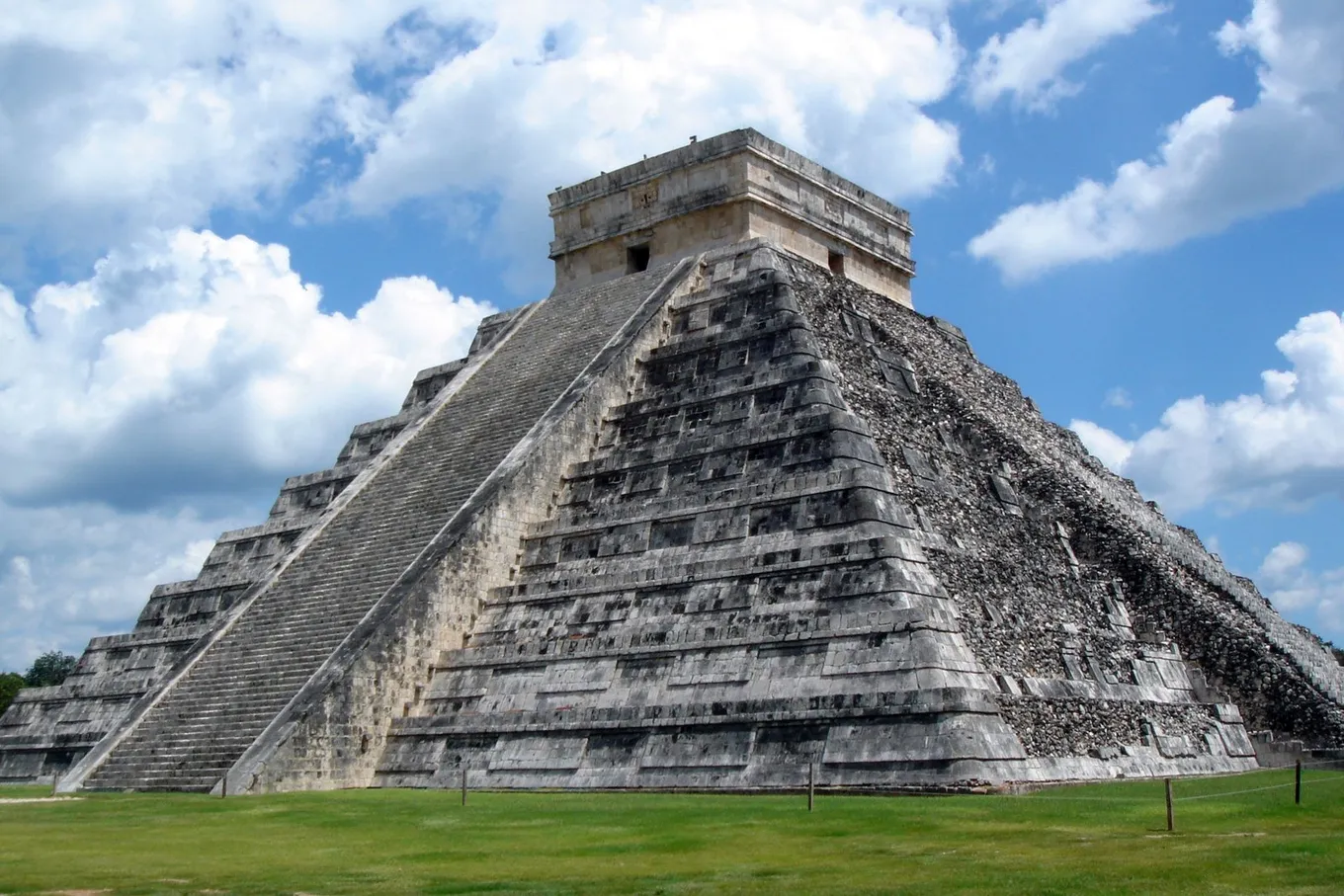
Chichén Itzá sits about 200 kilometers inland, in the state of Yucatán, and the day runs about twelve hours door to door. El Castillo has ninety-one steps on each of its four faces. Add the platform at the top and the total is the number of days in the year.
UNESCO listed the Pre-Hispanic City of Chichén Itzá as a World Heritage site in 1988. Most tours pair the site with a cenote and a stop in the colonial town of Valladolid.
The pyramid can no longer be climbed, and the walking is long and flat on uneven stone, in full sun with almost no shade. Bring water, a hat, and shoes you can walk in for hours. Yucatán keeps its clocks an hour behind Quintana Roo, where Cancún is, so the time at the site may not match your phone. We wrote about this day in detail in Chichén Itzá from Cancún. The clock and the cash, two of the most common mistakes on these days, are in Cancún mistakes to avoid.
The road and the hours
Tulum is about ten hours and follows the coast. Chichén Itzá is about twelve and heads inland, so more of the day is spent on the road. Both are full days, and the day after either one is best kept close to the hotel.
How to choose
Choose Tulum if you want the sea with your ruins and a day that stays on the coast. Choose Chichén Itzá if you want the pyramid and a day given to one major site, and can spend more of it on the road.
Choose the sea or the stone, and give it the whole day.
With five days or more, there is room for both, on days that are not side by side. Our free routes for 3 days, 5 days, and 7 days in Cancún place the long days, and we wrote about the mix in Why Cancún should not be planned as one kind of trip.
Worth knowing
- In 1518, the chronicler Juan Díaz, sailing with Juan de Grijalva, wrote of seeing Tulum as a large city with a tall tower.
- Cash is still king. Cards work in resorts and restaurants. Carry some cash for taxis and markets.