Rio de Janeiro/Practical advice
What to pack for Rio de Janeiro, and the apps you will use
A beach city with mountains in the middle of it. What to bring for the sand, the trails, and the evenings, and what to leave at the hotel.


At a glance
- E-VISA
- Apply two months ahead
- HEALTH
- Yellow fever shot advised
- TRAILS
- Shoes with real grip
In this article
Rio is warm for most of the year. Our climate data puts the average day between about 25 and 30 °C and the sea between 22 and 26 °C. The suitcase starts with light clothes and swimwear, but a Rio week also climbs trails, spends long days on boats, and ends late. Here is what each part of it needs, and the few things better left behind.
For the beach
Sun protection comes first. Our catalog notes that the beach sun is strong even under cloud, so pack sunscreen, a hat, and sunglasses, and use them from the first morning. Drink bottled or filtered water, which is sold in shops and kiosks across the city.
At Copacabana, the catalog flags strong sun and rip currents, so swim near the lifeguards. At Ipanema, the shore break is heavy, so watch the beach flags. Neither needs special gear, only attention.
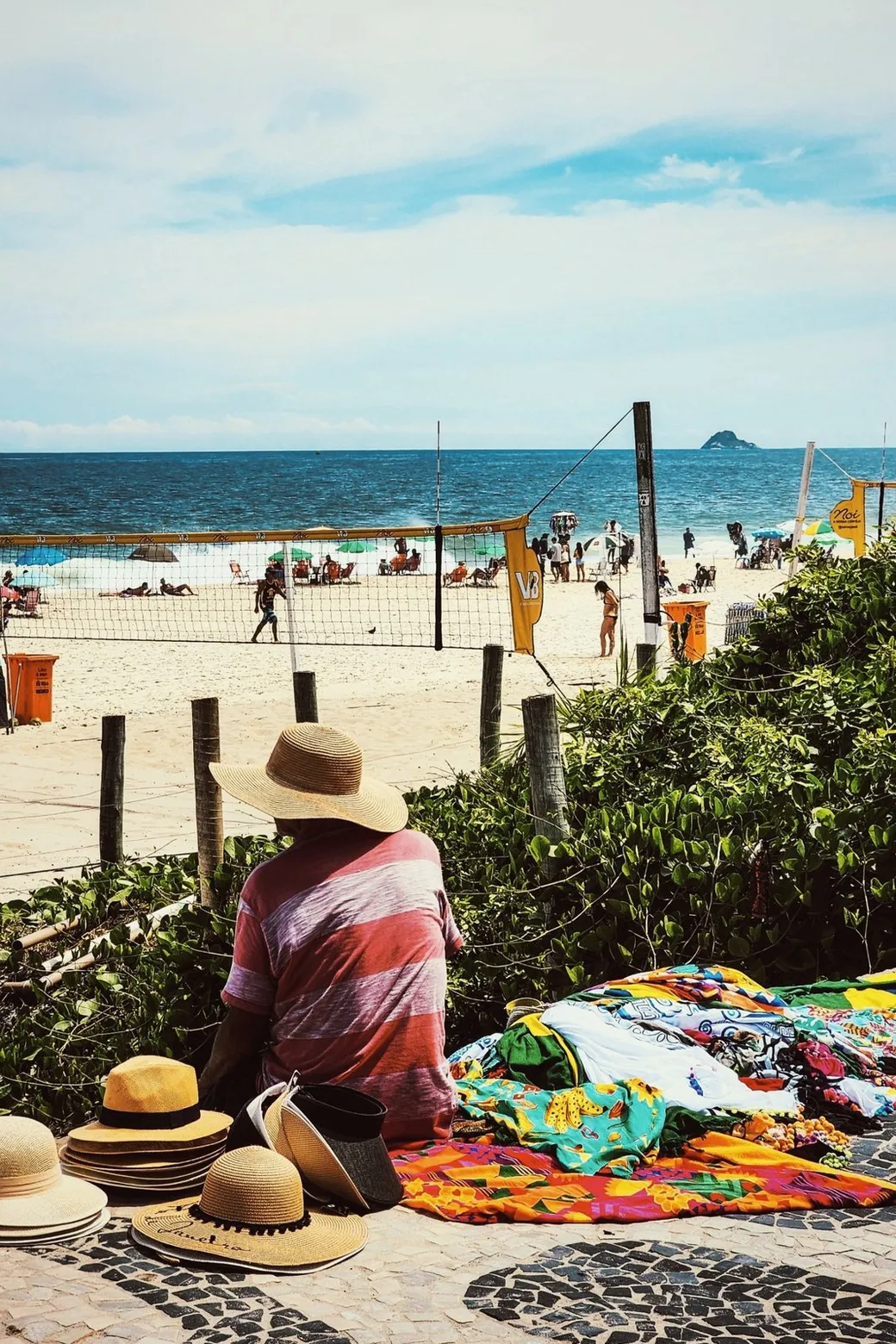
Pack light. Bring a small bag that closes, because pickpocketing happens on crowded beaches and buses, and our catalog's advice is to keep bags closed and in front of you. Take only what the day needs to the sand: a little cash, a card, sunscreen, and a towel or canga. A canga, the light printed cloth Cariocas spread on the sand, is easy to find in the city, so there is no need to pack a bulky beach towel. Keep the phone out of sight when you are not using it.
In Rio, the less you carry to the beach, the easier the day.
For the trails and the boats
Hikes and boat days start early in Rio, our catalog notes, so plan the middle of the day for sand, shade, and a slow lunch. Pack shoes with real grip. The trail at Dois Irmãos is steep, with loose ground and little shade, Tijuca Forest is slippery after rain, and the rock at Arpoador is slick when wet. Add insect repellent for the forest, where the catalog notes insects near the water. For Pedra da Gávea, the catalog notes that the climb is not for anyone afraid of heights, and that a long descent follows.

For a boat day to Ilha Grande or Arraial do Cabo, bring a hat and sunscreen, since the sun on an open deck is strong. If you plan to surf at Arpoador in winter, the catalog notes that the water is cold.
For the evenings and the seasons

From November to April, our climate data adds a rain jacket, and the heaviest rain falls from December to March. From May to August, add a light jacket. In the coolest months, nights drop to about 18 °C.
For a samba class, the catalog's advice is to bring water and eat lightly beforehand. After a late night out, such as a show at Roxy, arrange the ride back before you go. Leave watches and jewelry at the hotel, as our catalog advises for the whole city.
Documents, health, plugs, and cash
As of October 2026, citizens of the United States, Canada, and Australia need a visa for Brazil, which they can apply for online as an e-visa. Brazil's official e-visa portal, run by VFS Global, advises applying two months before travel and says processing can take up to 10 business days. Check the current rules on Brazil's government sites before you book.
The CDC recommends yellow fever vaccination for travelers aged 9 months and older going to Rio de Janeiro state, including the city and all coastal islands, and advises protection from mosquito bites across Brazil. Talk to a travel health clinic well before you fly.
In Rio, the visa and the vaccine are decided at home, not on arrival.
Brazil's plugs are type N, and two-pin type C plugs also fit. Rio's mains supply is 127 volts at 60 hertz. Cards are widely accepted, but keep small cash for beach kiosks, markets, and tips.
The apps you will use
Rio runs on a few apps. Uber and 99 work across the city. Before you get in, check that the plate and the driver match the app. Táxi.Rio is the city's official taxi app. WhatsApp handles hotel, transfer, tour, and restaurant confirmations.
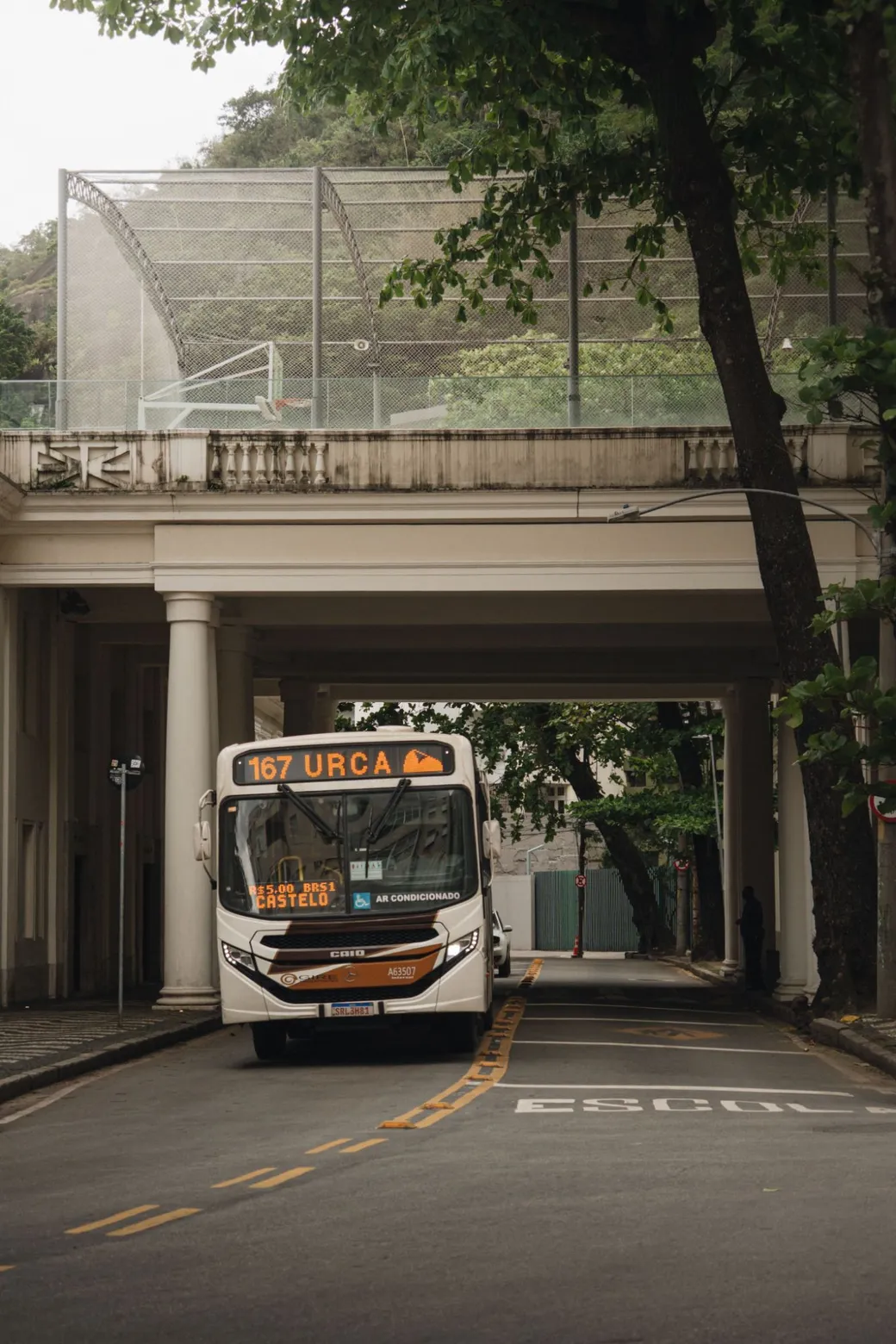
City buses no longer take cash on board, under a rule in force since June 28, 2026. They accept the Jaé card, a QR code from the Jaé app, and, where the validators allow it, Pix and bank cards. The metro reaches Copacabana, Ipanema, and the center, and also takes contactless bank cards. Save an offline map of the south zone before arrival, and activate an eSIM with Vivo, Claro, or TIM, checking the current activation requirements first.
How to reach the hotel is in How to get from Rio airport to Copacabana and Ipanema, and the habits that keep the first days easy are in Is Rio de Janeiro safe?. Our free routes for 3 days, 5 days, and 7 days in Rio show which days need the trail shoes and which need only the canga.
Worth knowing
- On the UV scale of Brazil's weather center CPTEC, 11 or higher is extreme. Summer readings in Brazil's southeast have topped 15.
- Since June 28, 2026, city buses take no cash. Pay by Jaé card, Jaé app QR code, or bank card where enabled.
- Cash is still king. Cards are widely accepted. Keep small cash for beach kiosks, markets, and tips.