Cusco · a 3-day structure
3 Days in Cusco
One day belongs to the mountain. The other two belong to the altitude and the city.
Three days is the shortest trip this route will build, and it is the one length where there is almost nothing to decide. Machu Picchu takes a whole day and leaves in the dark. Around it there are two days, and both of them have a job.
The first job is the altitude. Cusco sits at almost 3,400 meters, and the first day is built low and close because of it, with nothing on it that has to be anywhere at a set hour. That is not advice, it is the order the route builds in.
So the honest question at three days is not what there is to see. It is what you are giving up, and whether the answer is worth the flight.
This is the shape a three-day Cusco keeps. What fills the final day changes with your month, your pace, and who is with you. The first two days barely move at all.
The first day stays low on purpose
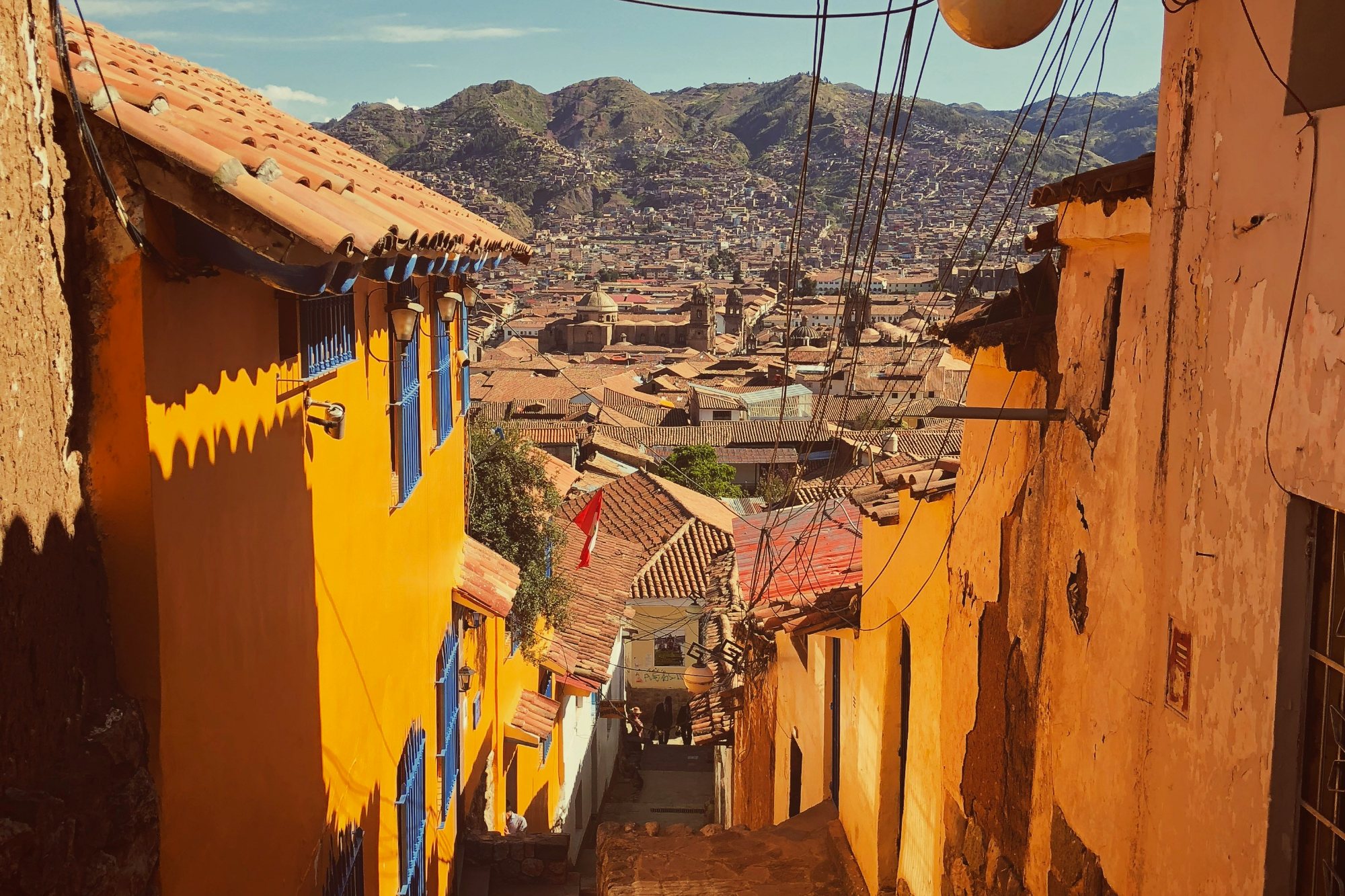
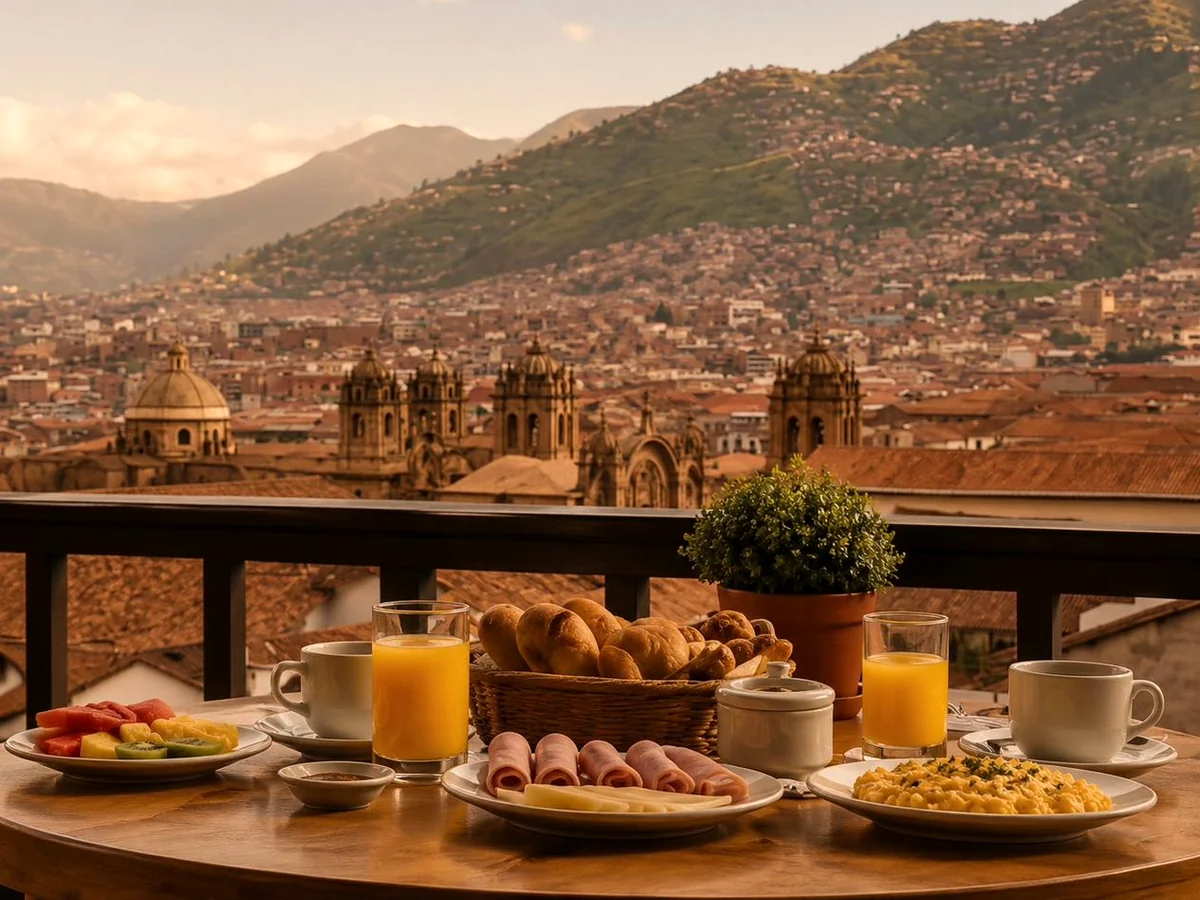
The historic center on foot, and a long pause above it
The first day carries nothing long, and at this altitude that is structure rather than courtesy. The mountain day starts at four in the morning, and a body that spent today climbing is not the body you want on it.
What fits is the old town on foot. The walk reaches Hatun Rumiyoc, where the twelve-angled stone sits in the wall of Inca Roca's palace. Neighboring blocks carry thirteen and fourteen angles, and local belief holds the wall would fall without it.
The day that goes to Machu Picchu
Twelve hours, door to door, starting at four
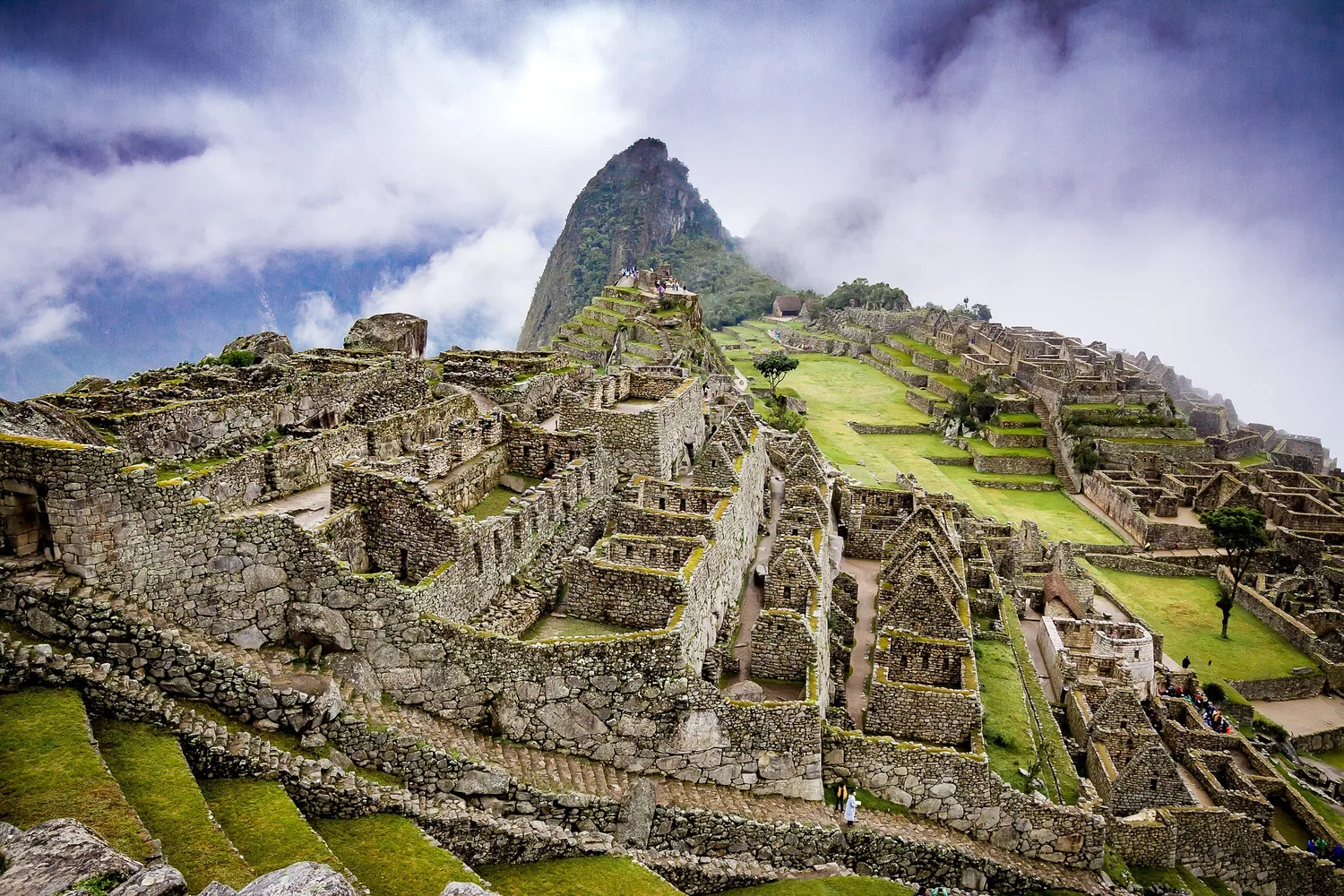
Machu Picchu is roughly two hundred structures, built in the 1450s on a ridge between two peaks. When Hiram Bingham arrived in 1911 he found a name already written in charcoal on a temple window: A. Lizárraga, 1902.
It goes second because it can go nowhere else. It needs the day before it for the altitude and the day after it for recovery, and at three days there is exactly one day that has both.
With Signature, this day carries an original audio guide of its own, saved before you go and playing without a signal.
We are a GetYourGuide affiliate partner and may earn a commission on bookings through our links. This does not influence which places we recommend.
Machu Picchu: Train & Guided VisitView on GetYourGuide
The day the city gets back
Shorter things, close in, and an evening if you want one
The day after a twelve-hour day is never another one. It carries shorter pieces, chosen from what you said you came for, and it is the only day of the three your answers really move.
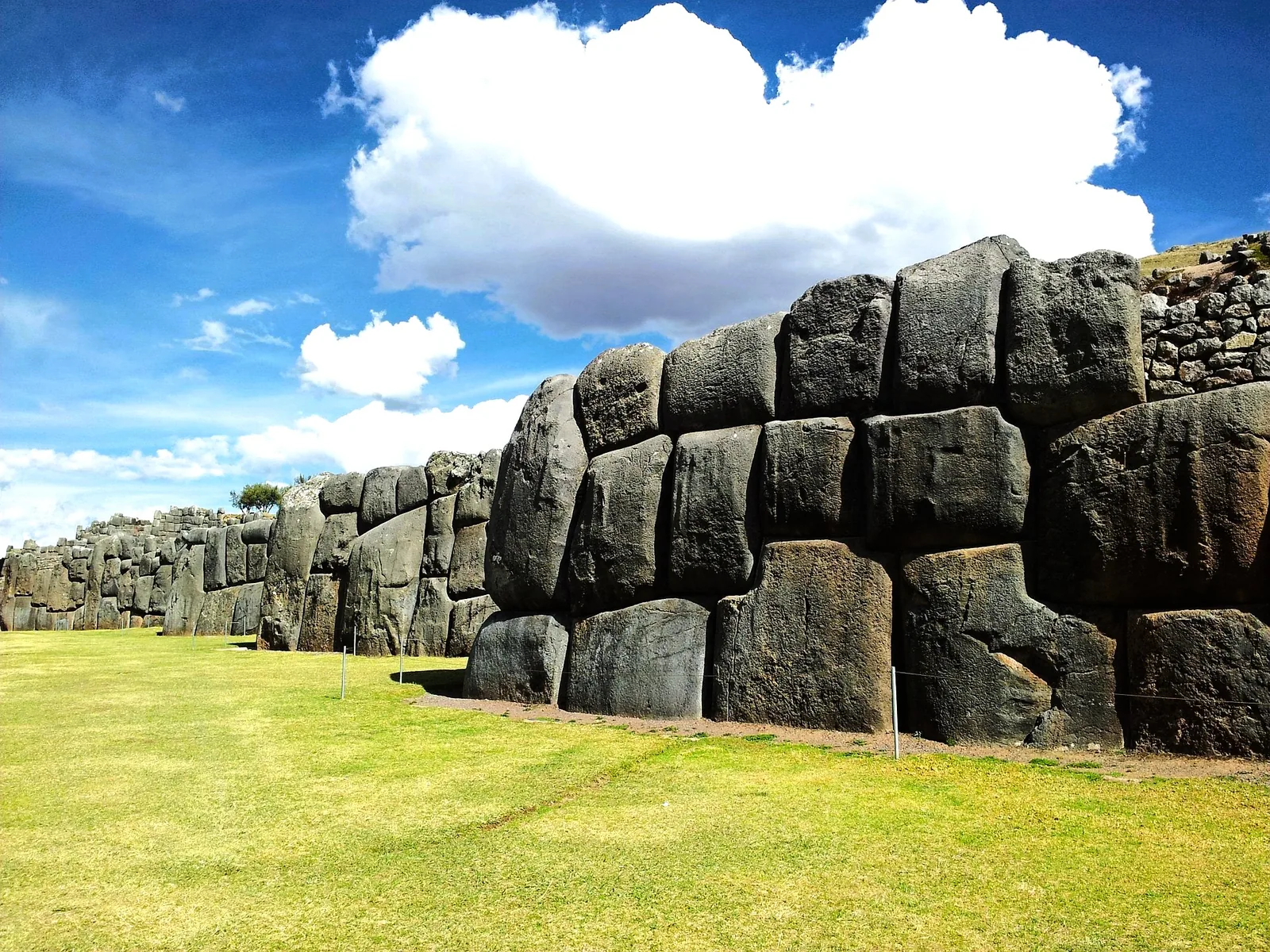
Sacsayhuamán stands above the town: stones weighing up to two hundred tonnes, fitted so precisely a knife blade will not slip between them. No two blocks are the same shape, each cut to meet the ones already set beside it.
Other ways this day might unfold
- A chocolate workshop where the tasting sorts one growing region from the next
- An Andean dinner where the charango is built on an armadillo shell
Why this order
The first day stays low
The first day carries nothing long or strenuous, and at this altitude that is structure rather than courtesy.
Heavy days stay apart
The one twelve-hour day never touches another, and the day on each side of it asks little of you.
The mountain takes the middle day
Machu Picchu lands on day two of every route measured, the only day with a light day on each side of it.
Closed days are shown
Verified closed days are shown with the place, so you can match the route to your actual dates before booking.
Road time counts
Time on the road is counted as time, not as a footnote.
This is the shape. Build the route that fits inside it.
Build my 3-day Cusco routeActivities, stays, restaurants, timings, booking links, and maps, each checked by a person. Read it online, print the guide, add the days to your calendar. Signature adds original audio guides.
What changes, and what stays fixed
Pace
Pace changes nothing about the shape at this length. One long day, at every pace measured.
Last day
Your answers move the third day and very little else.
Opening days
Where a place has verified closed days, they are shown with it, to check against your dates.
Travel party
Who you travel with changes what the last day offers, never the shape of the trip.
What three days give up
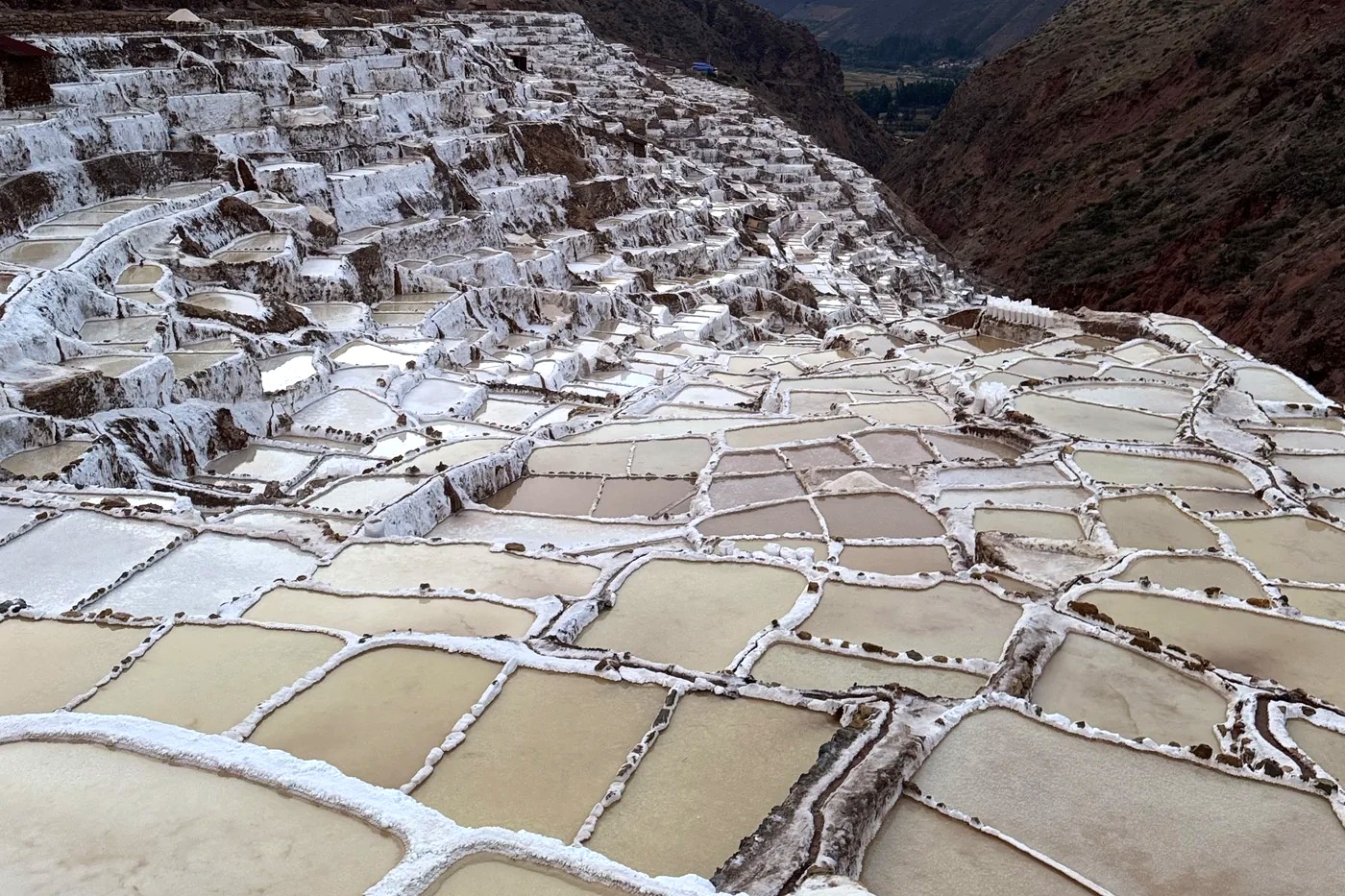
Two of the things people come to Cusco for do not fit beside Machu Picchu in three days, and neither is a near miss. The Sacred Valley is its own twelve-hour day, through Pisac and Ollantaytambo and the terraces between them. Rainbow Mountain is another, above five thousand meters, and it is open from April to November rather than year round.
A five-day trip holds the first of them at most paces. A seven-day week holds both. Three days holds neither, and a page that implied otherwise would be selling you a week you did not buy.
Questions, answered
Is three days enough for Cusco?
Why does the first day have to be gentle?
Can the Sacred Valley fit into three days?
What changes if I choose a slow pace?
How we build