The days
The shape of the 7 days
Hours of planned activity. A day beyond the city counts door to door.
- City dayThe historic center and San Blas4.5 h
- Beyond the cityMachu Picchu12 h
- City dayThe viewpoints walk or a cooking class5–7.5 h
- Beyond the cityThe Sacred Valley12 h
- City daySacsayhuamán or the chocolate workshop6.5–8.5 h
- Beyond, or the cityThe South Valley, or Rainbow MountainUp to 12 h
- City dayThe Temple of the Moon or the animal rescue center5.5–6.5 h
A typical route. Yours follows your dates, pace, and interests.
Why this order
- The first day stays lightThe first day carries nothing long or strenuous.
- Heavy days stay apartThe long days are never adjacent, and the day after each of them asks little of you.
- The Sacred Valley stops being a pace questionAt seven days the Sacred Valley takes the fourth day at every pace.
- Closed days are shownVerified closed days are shown with the place, so you can match the route to your actual dates before booking.
- Road time countsTime on the road is counted as time, not as a footnote.
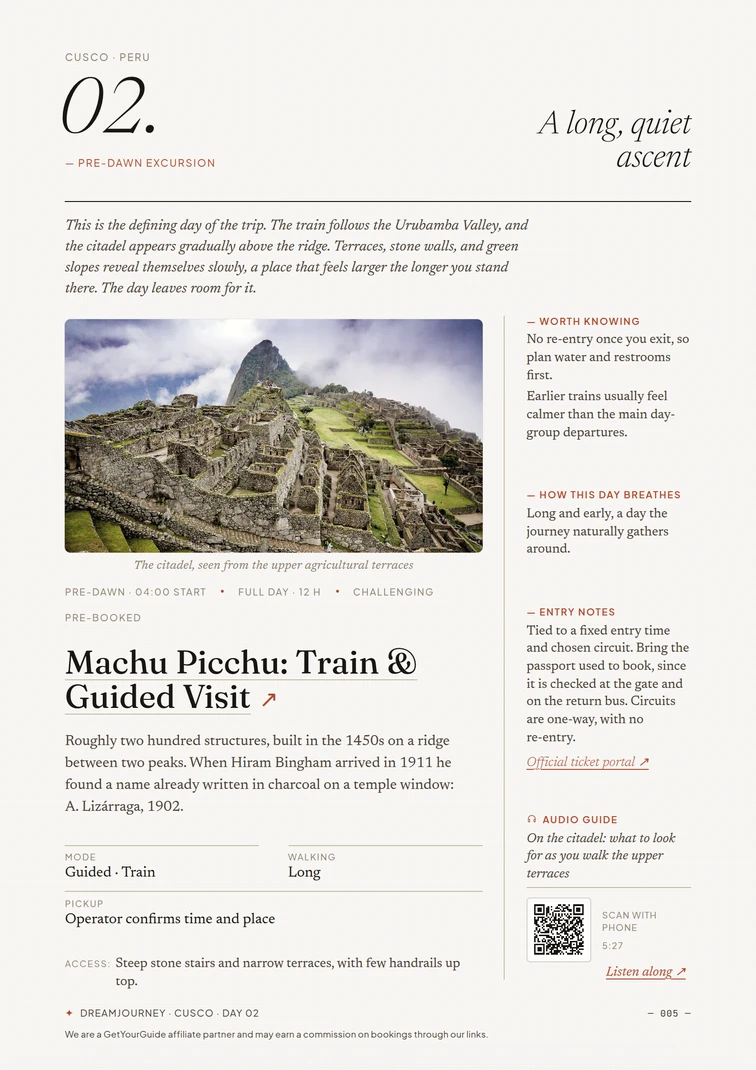
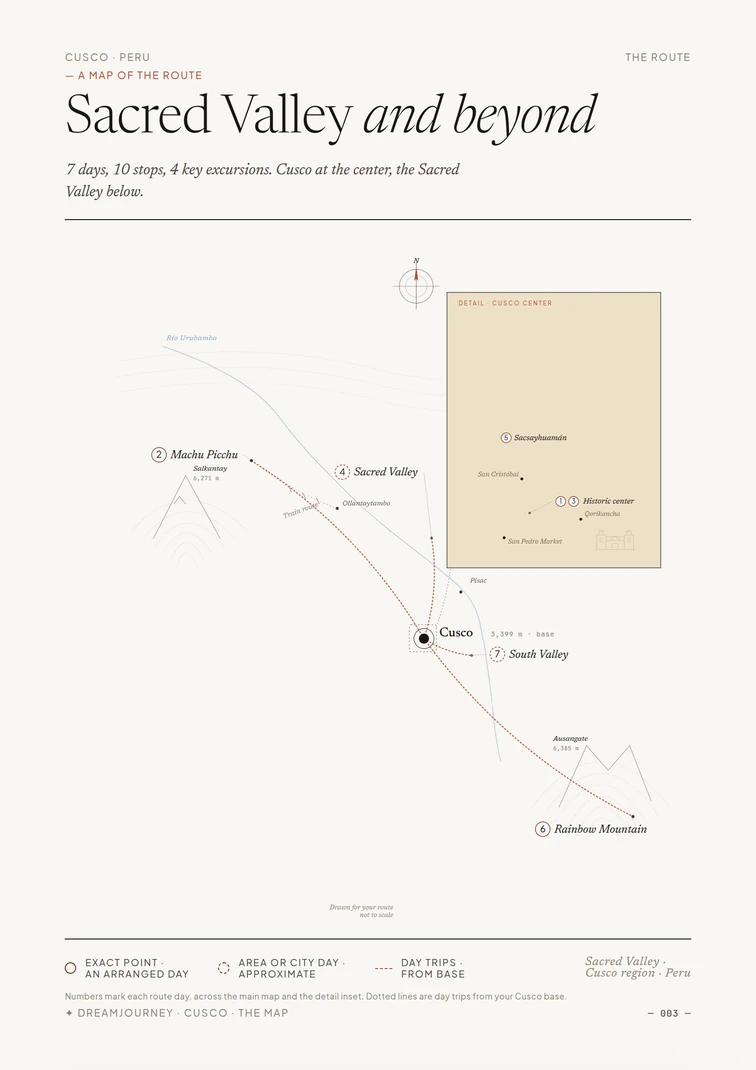
Pages from a Cusco edition
The full Cusco guide, page by page
Complete guides from $19
See a real Cusco guideMachu Picchu and the Sacred Valley stop competing. What the sixth day does with the room is the whole question.
The rest is geography. The biggest days out of Cusco run twelve hours or more, and a week has room for two of those, with a light day between them. A third is possible, and what it takes is an active pace.
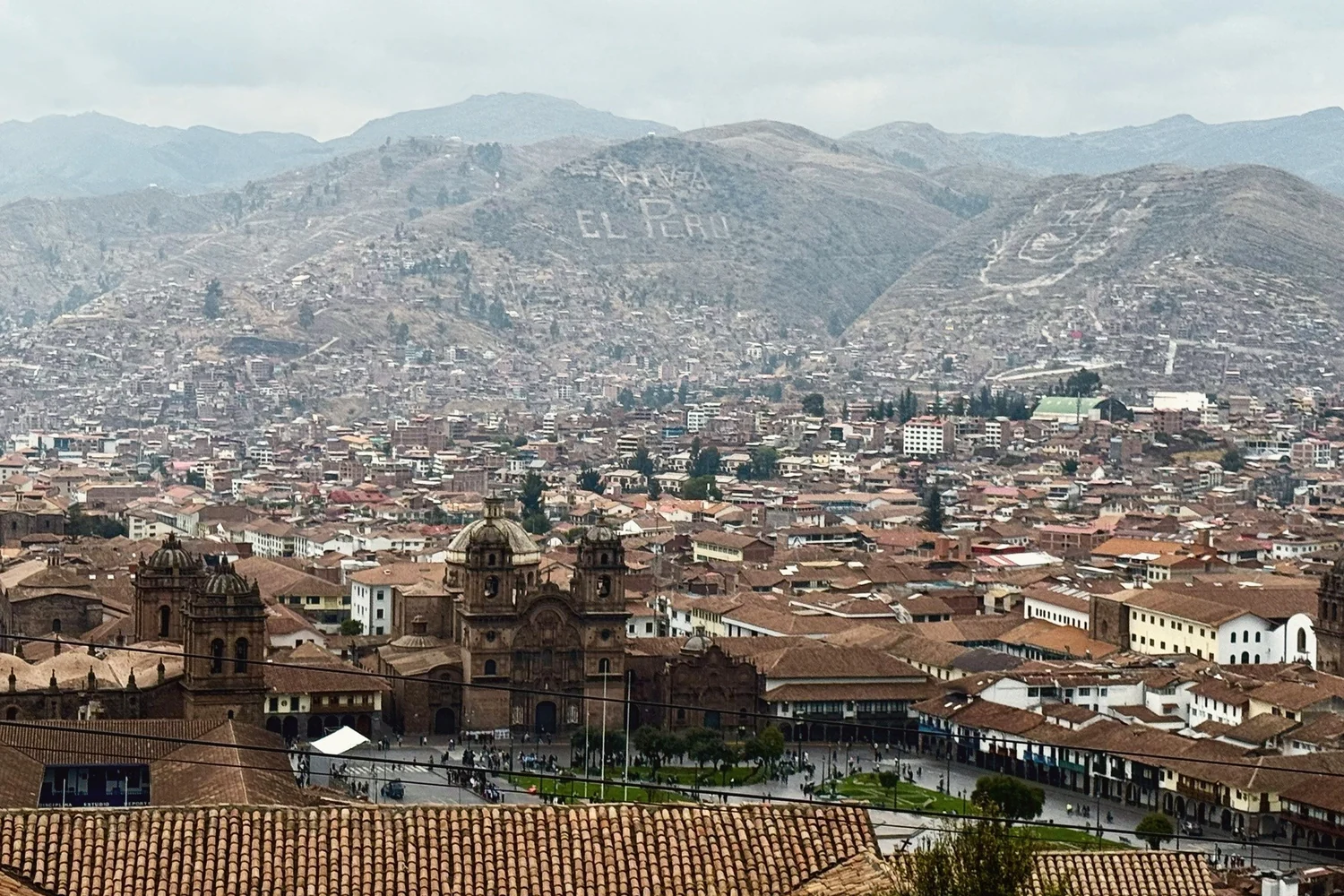
City day4.5 h
The historic center and San Blas
The first day belongs to the altitude
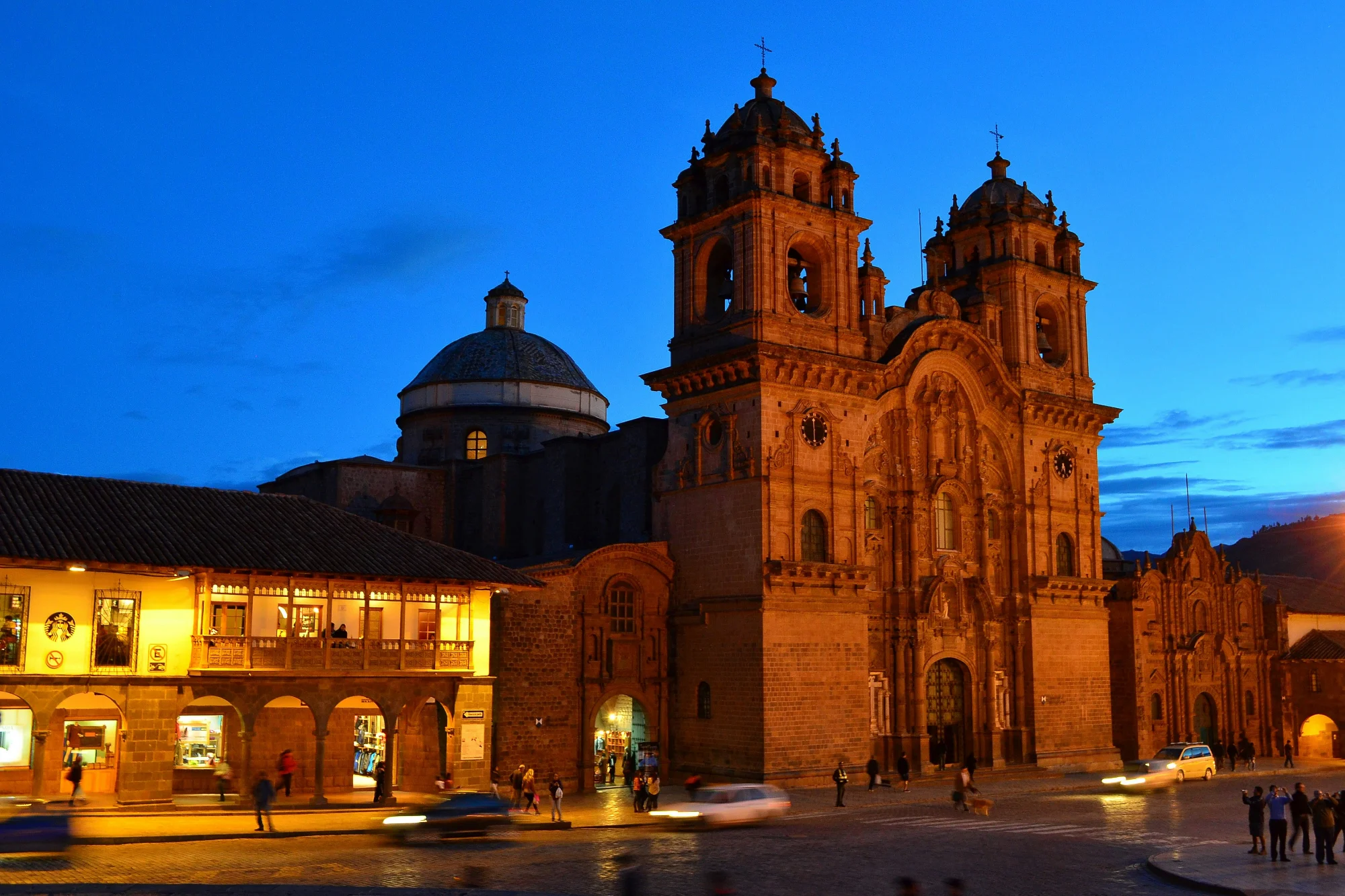
The city stands at almost 3,400 meters, and the first day belongs to meeting that. This is the one part of the week that a longer trip does not change: the historic center on foot, a long pause in San Blas, nothing strenuous and nothing that has to be anywhere at a set hour.
The day is fixed: the walking tour and the pause in San Blas. The walk reaches Hatun Rumiyoc, where the twelve-angled stone sits in the wall of Inca Roca's palace, cut to meet the blocks already set around it. San Blas above it is known as the artisans' quarter.
Beyond the city12 h
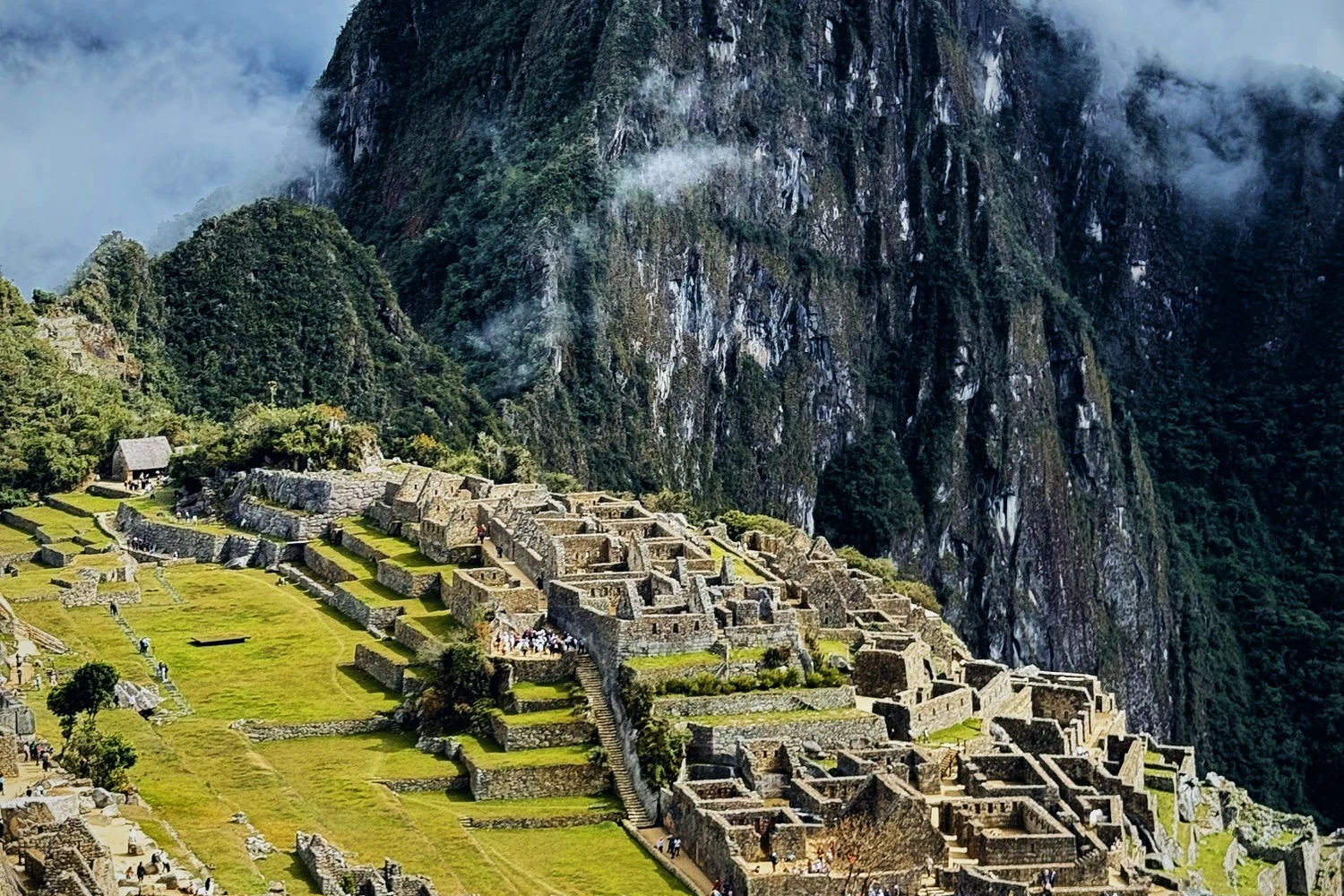
Machu Picchu
Twelve hours, door to door, most of it moving
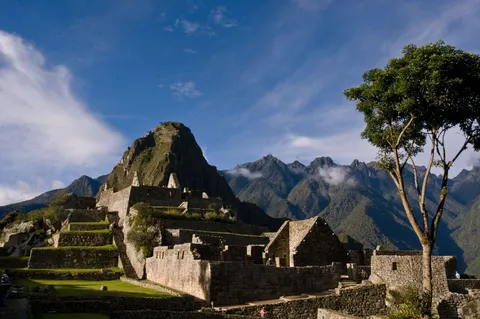
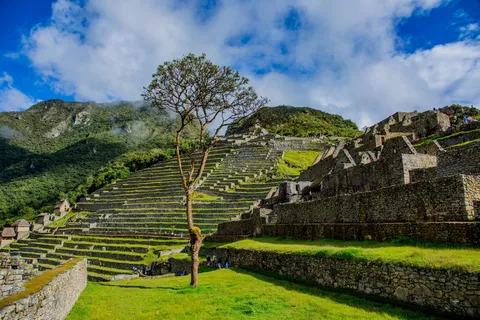
Machu Picchu is a twelve-hour day from Cusco: the road to the station, the train down the valley, the site itself, and the same distance back. It cannot share its day with anything, and it does not try.
Roughly two hundred structures, built in the fifteenth century on a ridge between two peaks. When Hiram Bingham arrived in 1911 he found a name already written in charcoal on a temple window: A. Lizárraga, 1902.
It goes second because it starts before sunrise, and the first day belongs to the altitude instead. The citadel stands at 2,430 meters, almost a thousand below Cusco, so the walking comes easier than it does in the city.
With Signature, the Machu Picchu day carries an original audio guide, saved before you go and playing without a signal.
Before you book, read how to buy the tickets and which circuit to choose.
City day5–7.5 h
The viewpoints walk or a cooking class
The day between the long ones
The day after twelve hours on the move is never another twelve. It stays in and around the city, and nothing on it takes a whole day.
It is also the least settled day of the week: what takes it follows what you said you came for rather than any rule of the week.
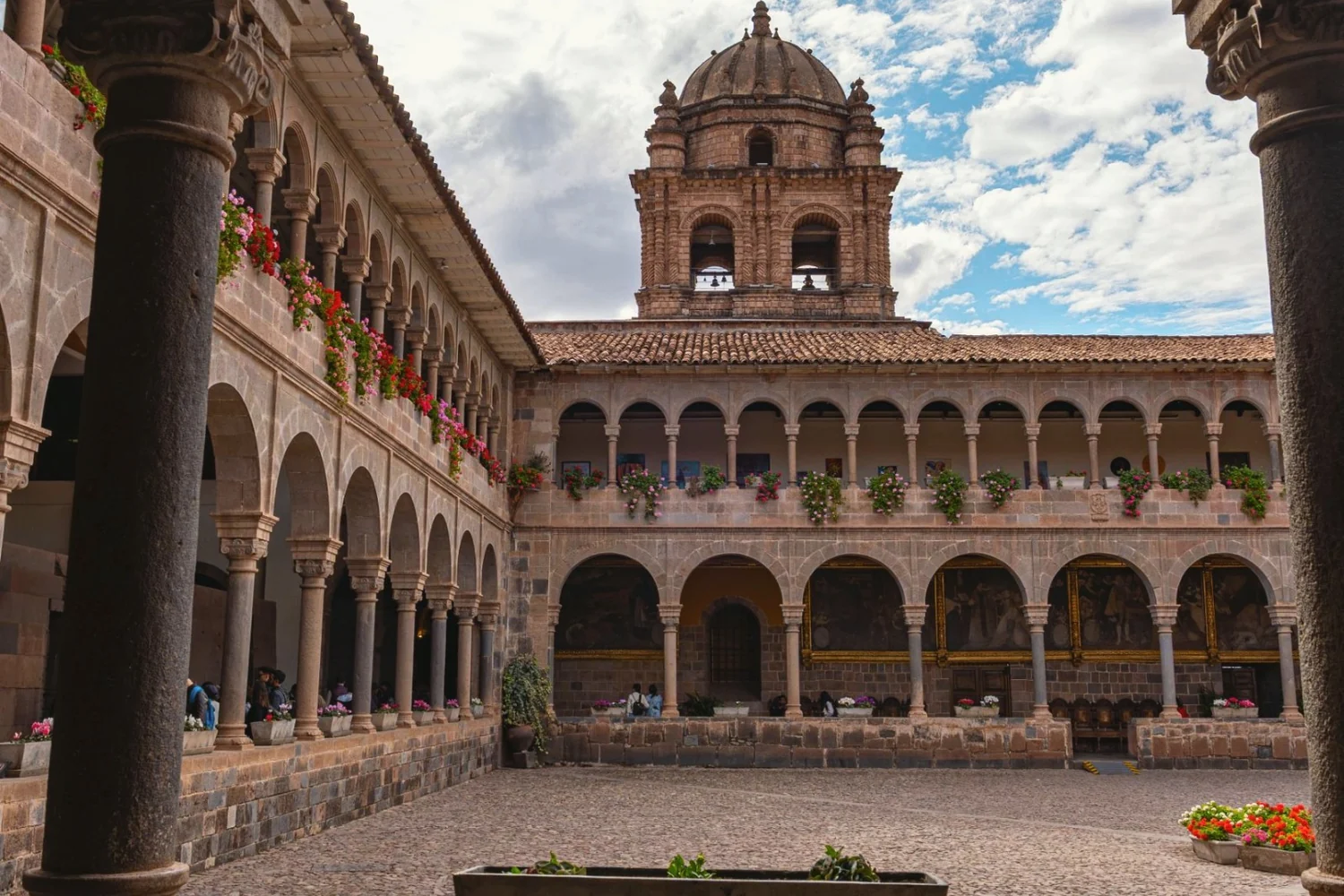
It might be the viewpoints walk, past Qorikancha, where the Spanish raised Santo Domingo on the Inca temple of the Sun and the Inca walls beneath it outlasted the earthquakes of 1650 and 1950. Or a cooking class, where a market walk leads into a working kitchen and the meal you sit down to is the one you cooked.
Or swap for
- The planetarium, where some Inca constellations are not stars but the dark shapes between them
Beyond the city12 h
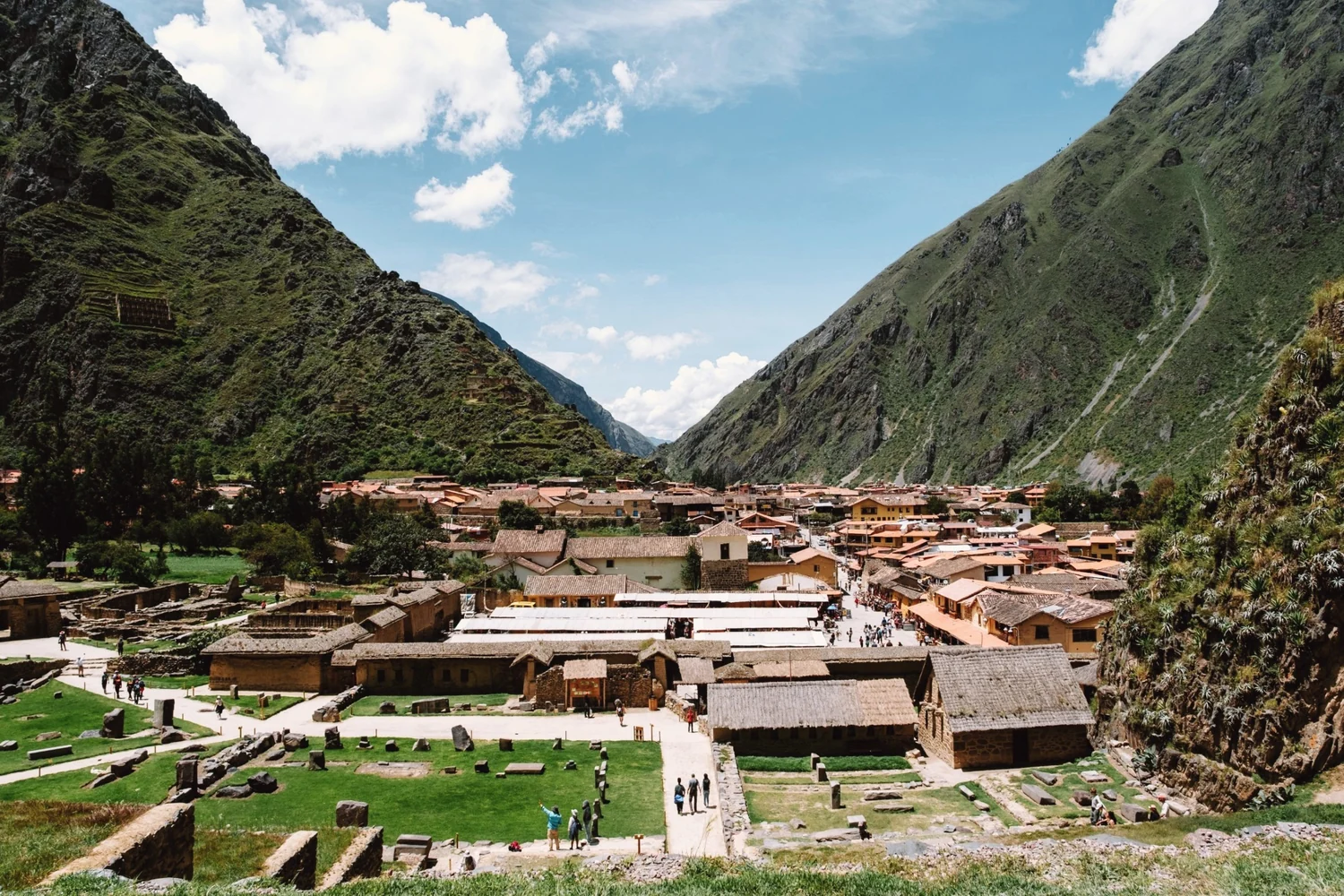
The Sacred Valley
Twelve hours through the valley, at every pace
At seven days there is nothing left to decide: the Sacred Valley takes the fourth day at every pace and in every month.
Pisac, Ollantaytambo, Moray, and Chinchero all use the Boleto Turístico.
It rewards a guided day because its sites sit far apart. Ollantaytambo is still lived in on its Inca grid, and from its terraces Manco Inca flooded the plain in 1537 to stop Spanish cavalry.
It sits two days after Machu Picchu and never beside it, with a day that asks little of you in between.
City day6.5–8.5 h
Sacsayhuamán or the chocolate workshop
The day the city gets back
The day after the valley is the softest of the week. Nothing long is placed on it, and it is the day that gains most from the extra length: the small indoor hours of Cusco are the first thing a shorter week cuts, and here they are most of the day.
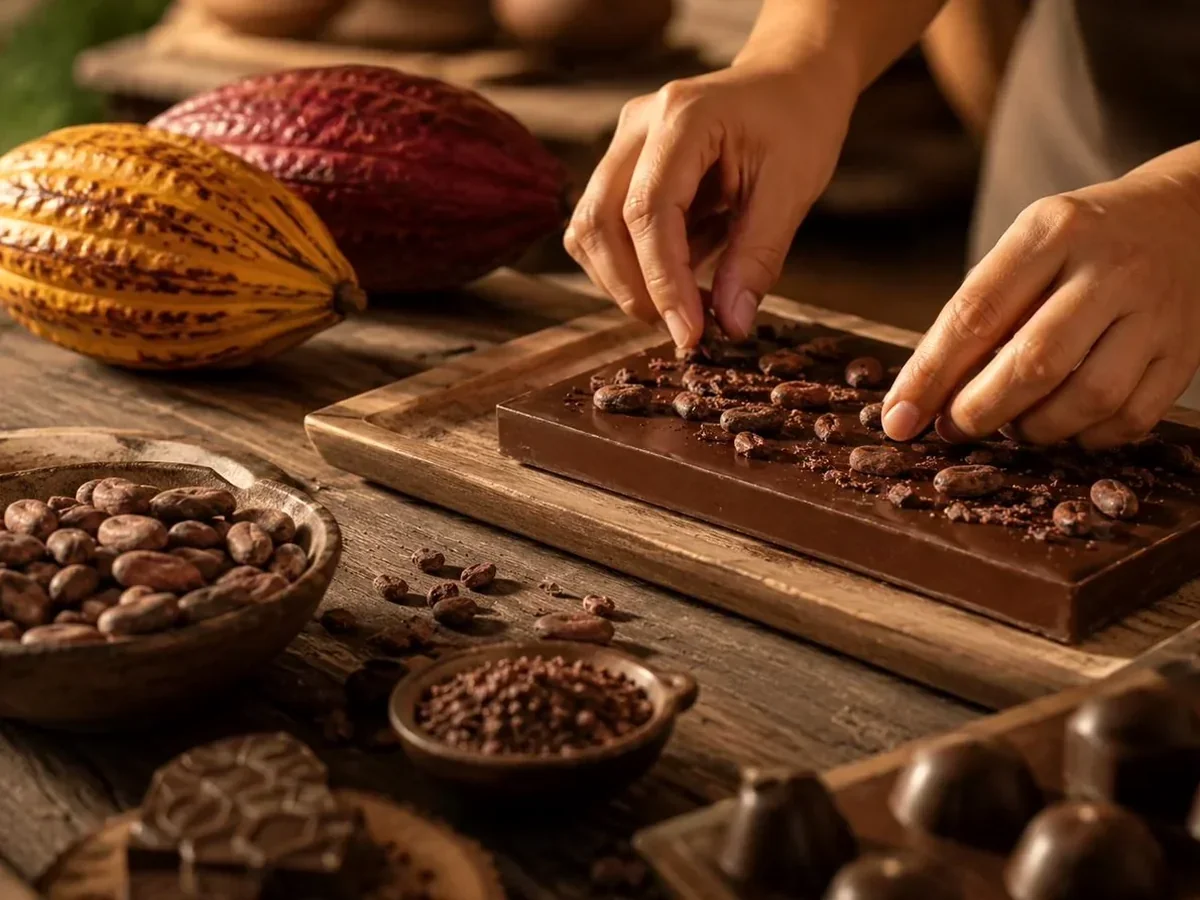
Many weeks find room for the chocolate workshop, where Peruvian cacao changes markedly from one growing region to the next and the tasting makes the difference obvious before the beans go near a mold.
Others climb to Sacsayhuamán, where stones weighing more than a hundred tonnes are each cut to meet the ones already set beside them.
Or swap for
- An hour of sauna and steam, which legs that have taken a week of Cusco cobbles tend to ask for
Beyond, or the cityUp to 12 h
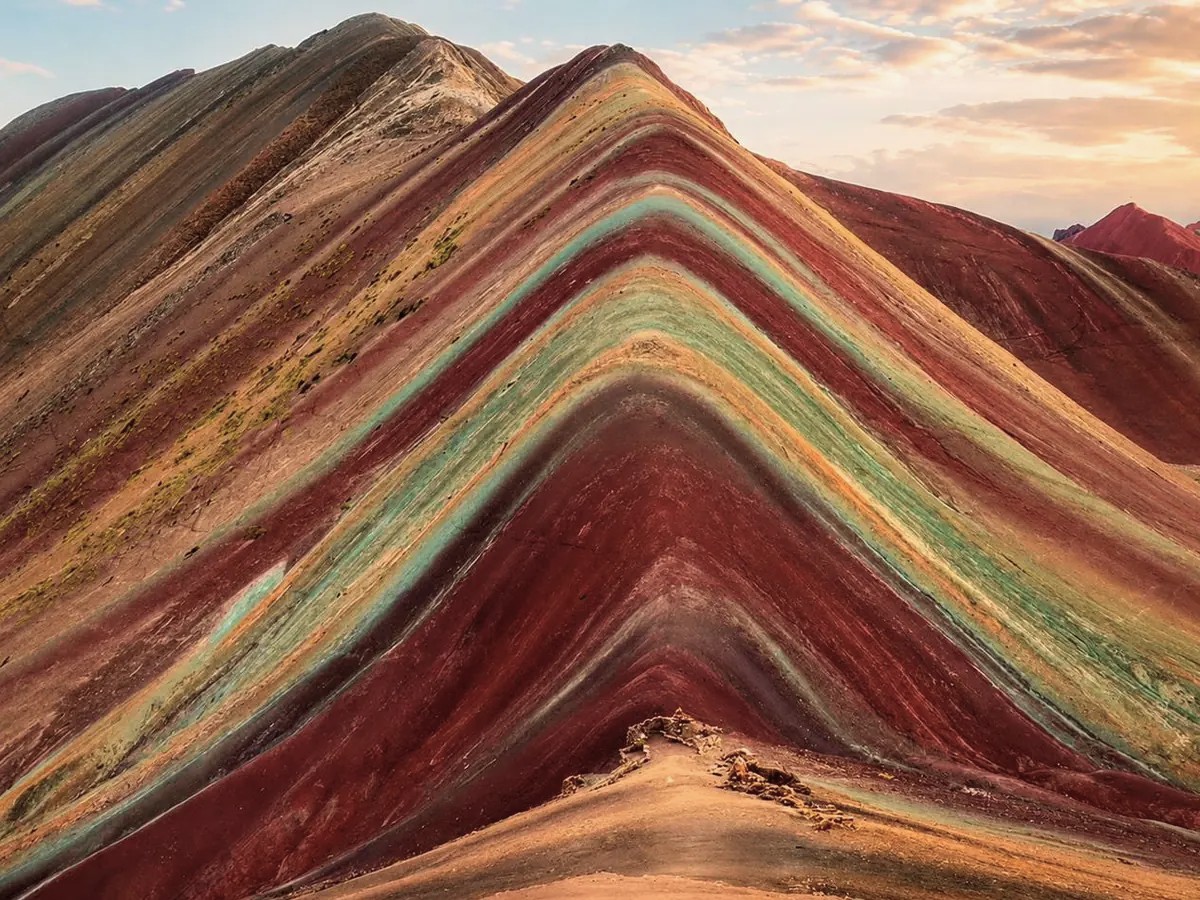
The South Valley, or Rainbow Mountain
The day the mountains get their chance
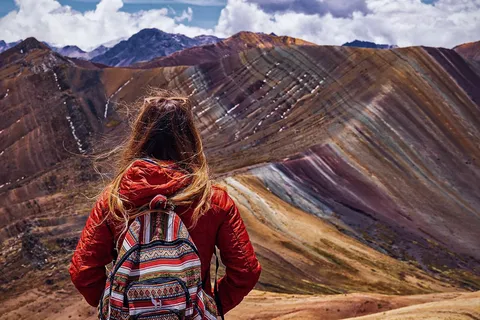
This is the day the extra length buys. At a slow or a balanced pace it stays lower and shorter. At an active pace it usually climbs, in any month of the year, and the climb is most often Rainbow Mountain, an iron and mineral ridge below Ausangate, a sacred Apu believed to watch over the surrounding land, its colors clearest under open skies and softening as cloud moves in.
The ridge stands at 5,200 meters, nearly two kilometers above Cusco, so the climb is short, slow, and deliberate.
In the weeks that stay lower, the sixth day is a valley rather than a mountain, and those are good days in their own right rather than consolation.
Or swap for
- Maras, Moray, and the Chinchero weavers, where salt pans fed by an underground spring are still worked by hand
City day5.5–6.5 h
The Temple of the Moon or the animal rescue center
The last day is a real day
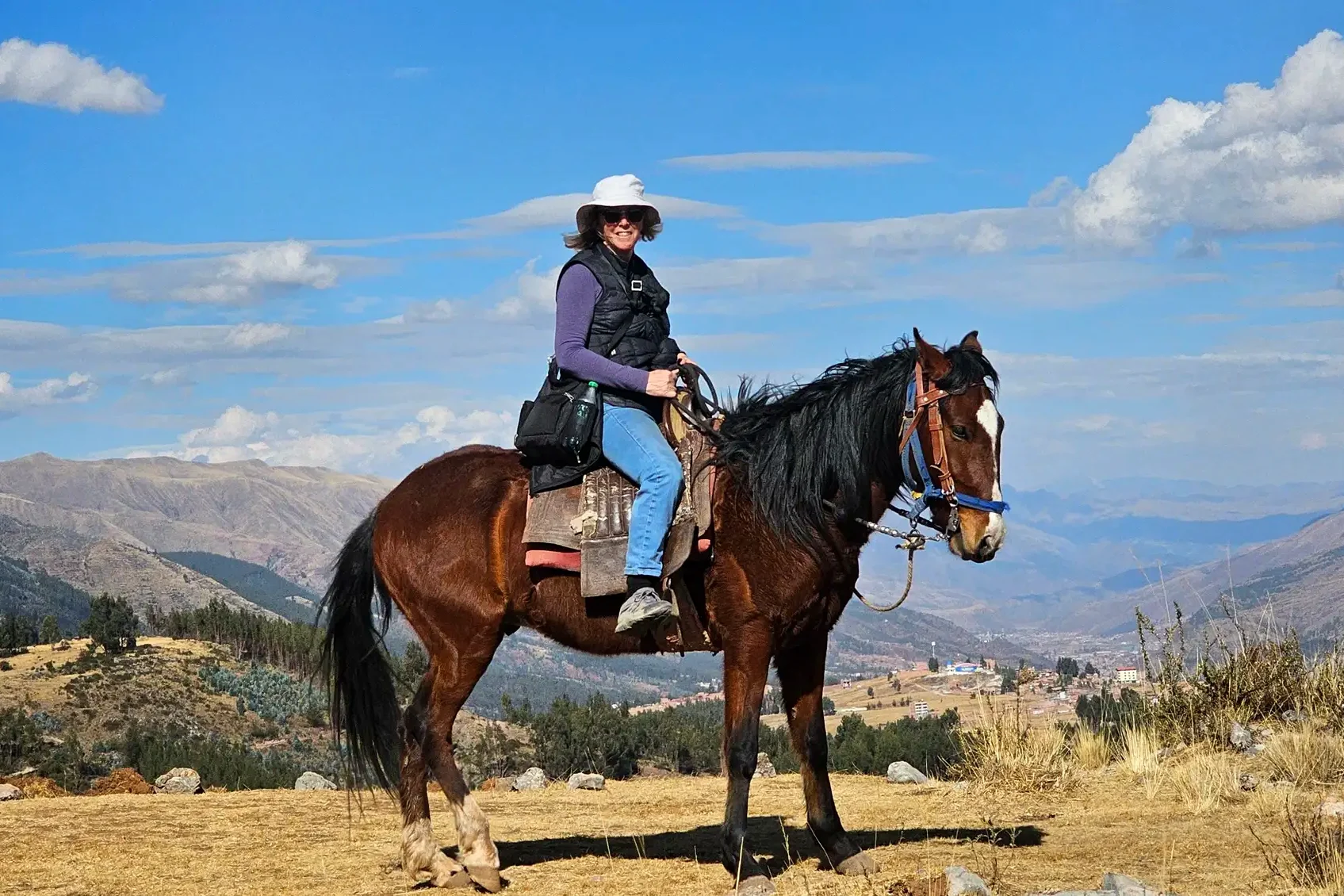
No long excursion is ever placed on the last day. What it does carry is a real day rather than a last morning, and it follows what you came for more than any rule of the week: the South Valley in six hours, the old town again on foot, a cooking class, a ride out to the Temple of the Moon, or the animal rescue center.
The temple is also known as Amaru Marka Wasi, and one account identifies it as a possible former residence of Amaru Yupanqui, eldest son of Pachacuti. Riders reach it through Inkilltambo and Chukimarka. At the rescue center, residents range from Andean bears, pumas, and condors to Amazon macaws, parrots, and monkeys, a mix no single habitat in Peru would hold.
When to go
Dry season · Apr–Oct
- Jan19°150
- Feb19°140
- Mar20°110
- Apr18°50
- May20°15
- Jun18°10
- Jul18°10
- Aug19°11
- Sep20°25
- Oct21°60
- Nov21°80
- Dec20°130
Day °CRain mm
The difference
Your 7 days in Cusco. Built around you.
This is the shape. Build the route that fits inside it.
Complete guides from $1930-day money-back guarantee · One-time purchase
| What you get | This page | Yours |
|---|---|---|
| A typical route, day by day | ||
| Matched to your dates, pace, and interests | ||
| Up to 15 activities, by trip length | ||
| Up to 12 hotels and 12 restaurants | ||
| A PDF of up to 13 pages and a web guide | ||
| Audio guides at up to four highlights | Signature |
What changes, and what stays fixed
Pace
Your pace decides whether the route takes a third long day.
Season
Both mountains run all twelve months. Your month changes the sky over them, not whether they are on offer.
Fixed day
The Machu Picchu day stays in place. Your answers shape the rest.
Opening days
Where a place has verified closed days, they are shown with it, so you can check them against your dates.
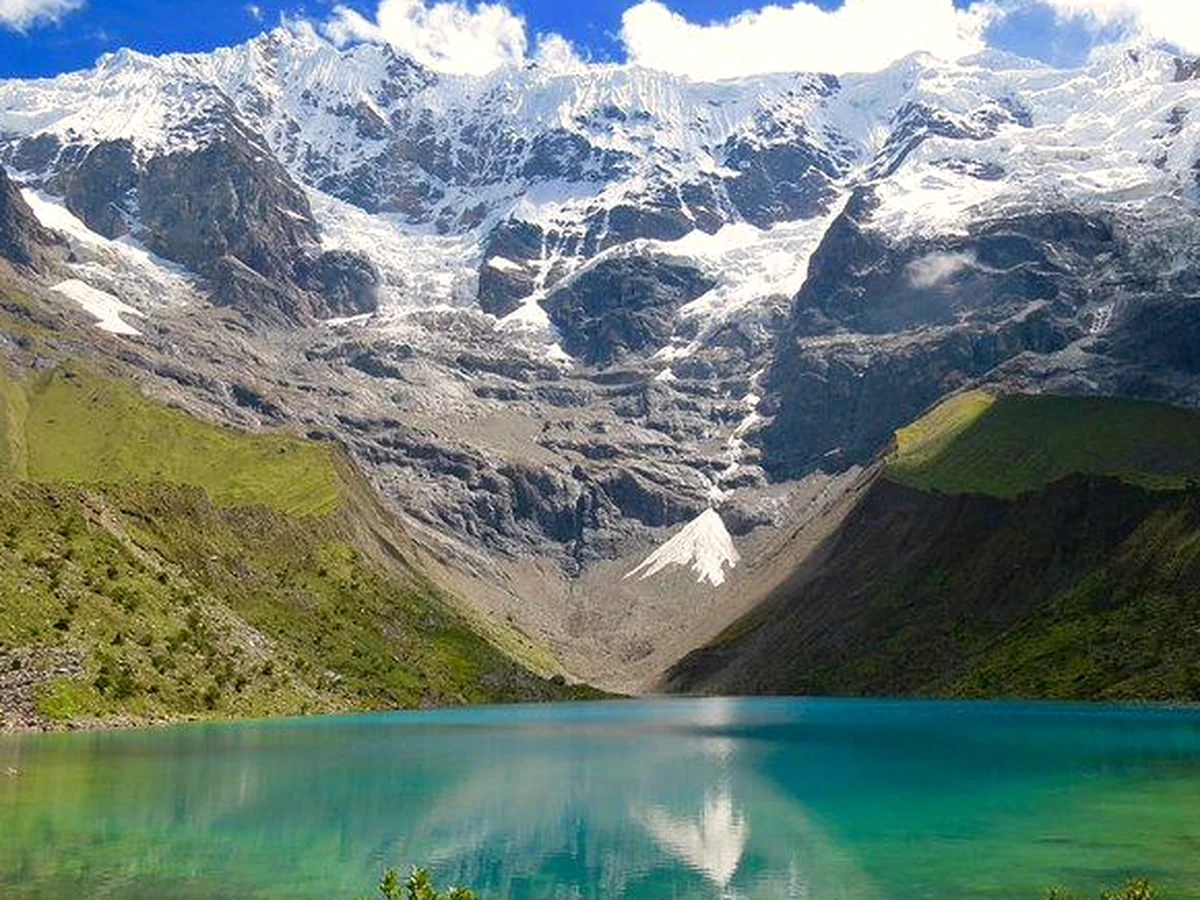
The lake that even seven days can rarely take
One mountain day stays out of almost every week. Humantay Lake sits in a glacial bowl below Salkantay, and its turquoise comes from rock flour, stone ground to powder by ice and held in the water. The last climb opens the whole cirque at once.
It runs thirteen and a half hours, an hour and a half longer than Rainbow Mountain, and that is the whole of the difference between them. Where a seven-day week does find room for a third long day, it goes most often to Rainbow. The two never appear in the same week: there is one place for a mountain and it goes to the shorter climb. Both run all year. In the wet months, December to March, low cloud is frequent on the high ground, and the ridge and the lake show best under open skies.
Questions, answered
Does the route assume I have already arrived?
Is seven days too long for Cusco?
Can Rainbow Mountain fit into a Cusco trip?
Should Machu Picchu and the Sacred Valley be on consecutive days?
Do I still need time to acclimatize on a seven-day Cusco trip?
Before you go