Cusco/Day trips
The Sacred Valley from Cusco: a full day or a half day?
Two ways into the valley below Cusco. One takes the whole day, the other is back by afternoon.

At a glance
Sacred Valley
- Duration
- 12 h
- Starts
- 6:00 a.m.
- Effort
- Moderate
Maras & Moray
- Duration
- 6.5 h
- Starts
- 8:20 a.m.
- Effort
- Moderate
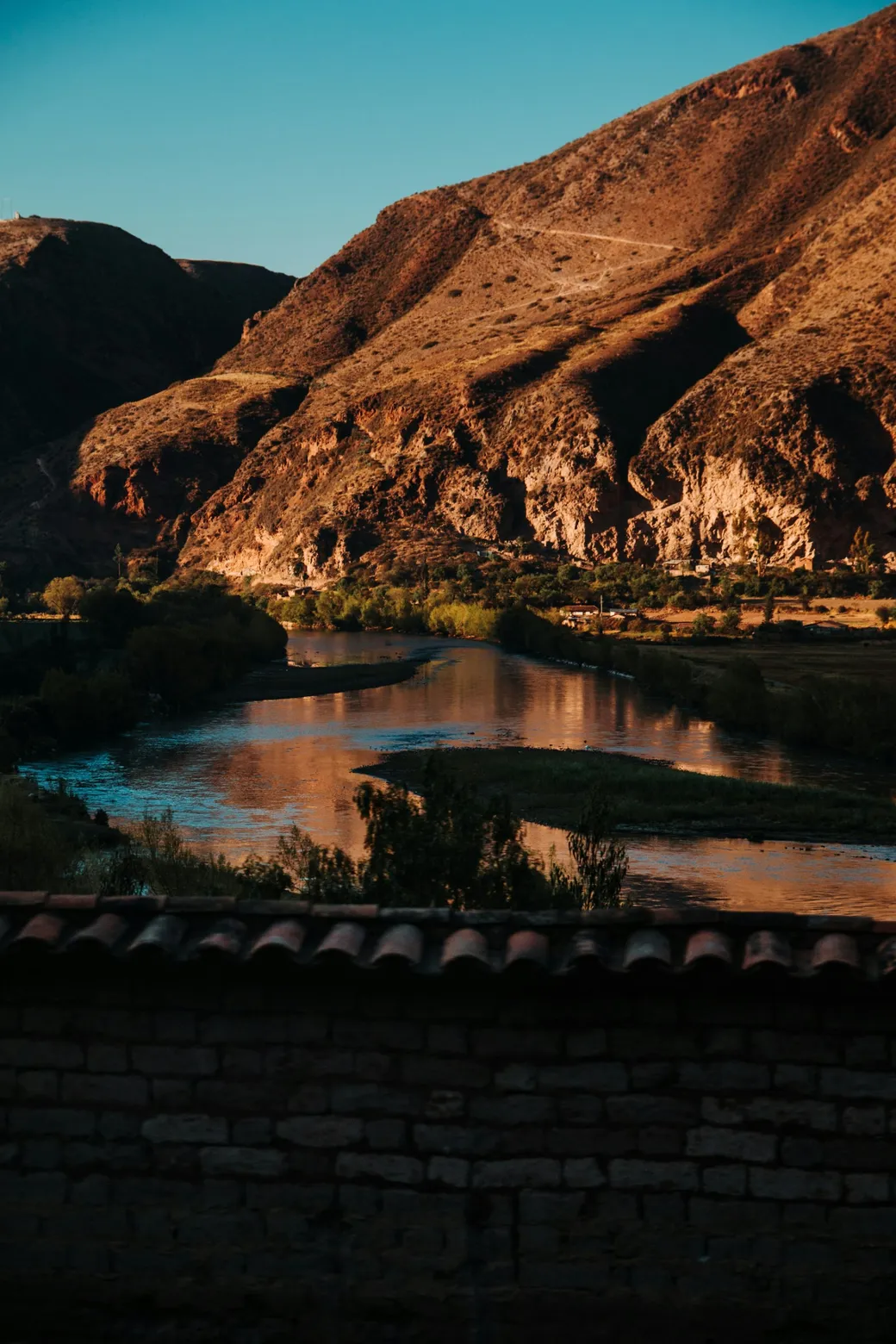
The Sacred Valley follows the Urubamba River north of Cusco, and it sits lower than the city, at about 3,000 meters near Pisac against Cusco's 3,400. Our catalog has two ways into it. The full day covers five stops in about twelve hours. The half day keeps three of them and is back in about six and a half.
The full day
The full day leaves early, between six and half past seven, and links Chinchero, Moray, Maras, Ollantaytambo, and Pisac. The sites sit far apart, which is why a guided day makes sense here.
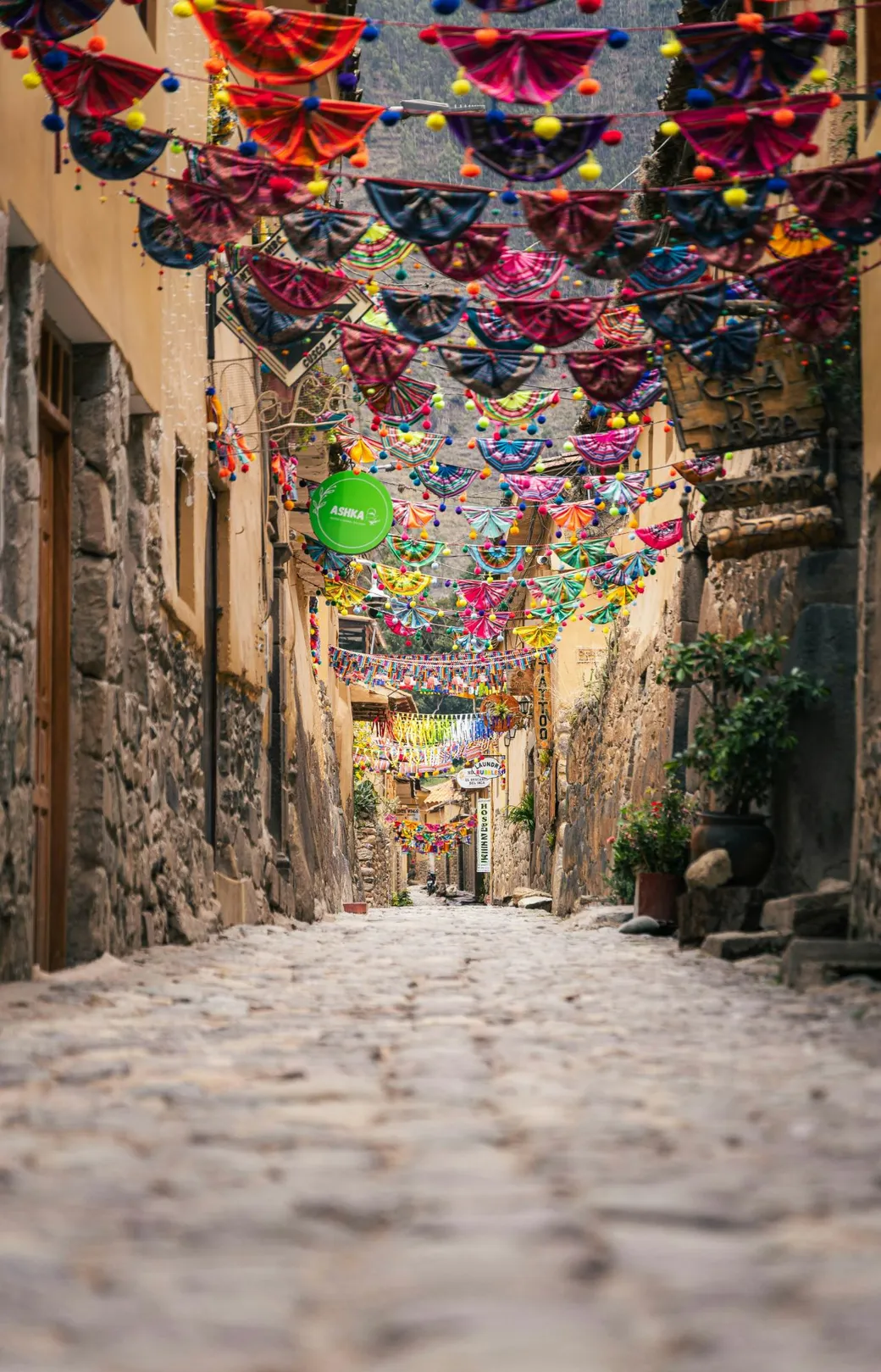
Ollantaytambo is still lived in on its Inca street grid. From its terraces, Manco Inca flooded the plain in 1537 to stop the Spanish cavalry. Pisac has terraces cut into the mountainside above the river, and its market is largest on Sundays, while Tuesday and Thursday feel more local.
The valley is a day of driving and stopping, and it opens gradually.
Lunch and site entries are usually extra on the full day, so check what your option includes. Every stop has uneven steps up to ruins or viewpoints, and the weather can change fast, so bring layers.
The half day
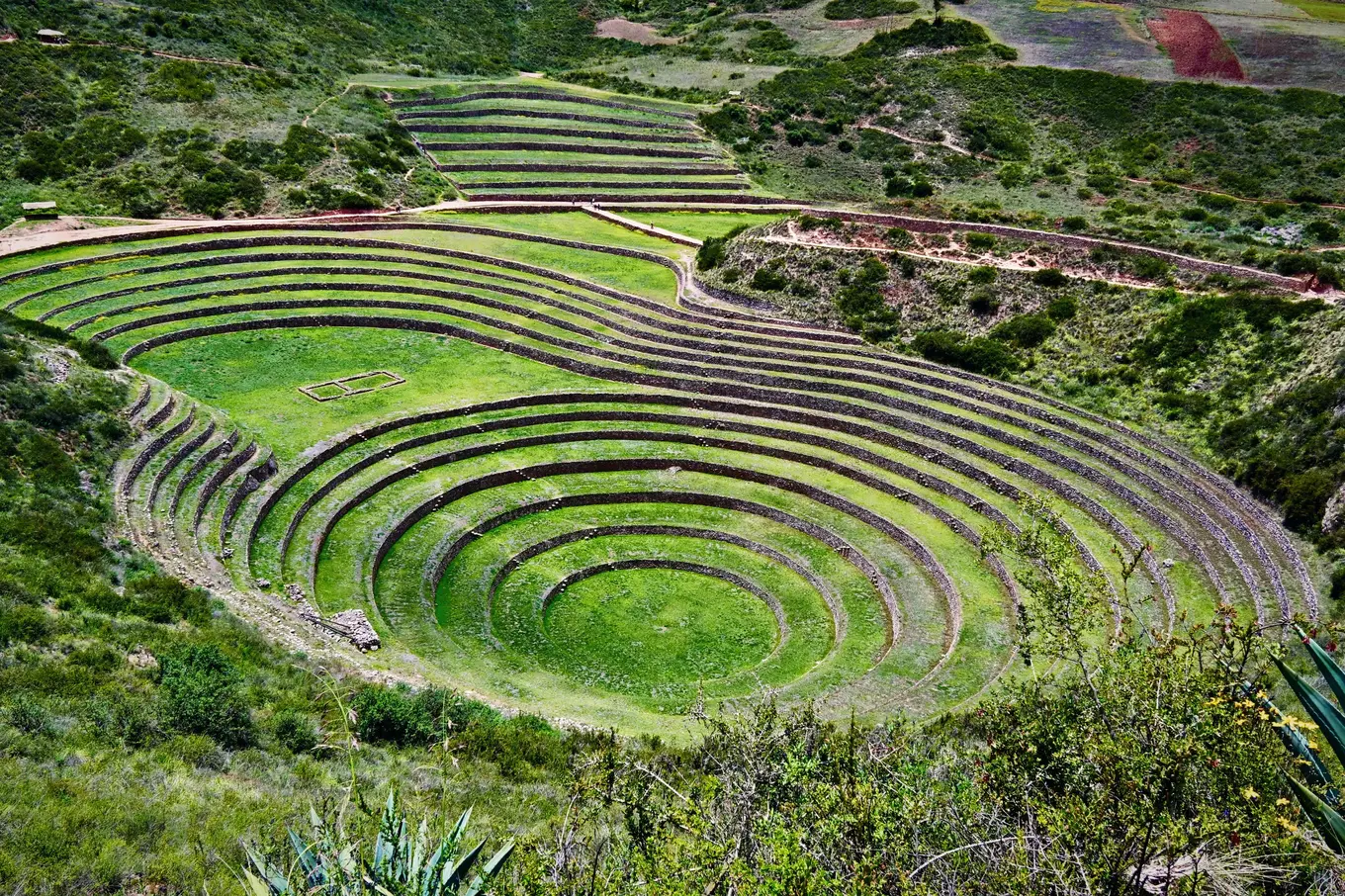
The half day starts around twenty past eight and keeps to the western side: the weaving village of Chinchero, the terraces of Moray, and the salt pans of Maras. Transport and site entries are usually bundled in.
The salt pans are fed by an underground saline spring, not a river, and the shallow pools are still worked by hand by local families. At Moray, the rim and the floor of the terraces can differ by as much as fifteen degrees on the same afternoon.
The sun is strong on the open terraces at this altitude, so cover up early.
How to choose
Choose the full day if you want Pisac and Ollantaytambo, and if a long day on the road does not worry you. Choose the half day if you want the terraces and the salt pans with the afternoon back in Cusco.
One day for the whole valley, or a morning for its western edge.
The two overlap at Moray and Maras, so in one week we would plan only one of them. Because the valley sits below Cusco, either is easier on the body than a day in the high mountains. We wrote about those in Rainbow Mountain or Pallay Punchu? and Humantay Lake or the Ausangate lakes?.
Where it sits in a week
Ollantaytambo is also where most trains to Machu Picchu leave from. We wrote about that day in Machu Picchu from Cusco in one day.
You can see a valley day in context in our free 5-day Cusco route and 7-day Cusco route.
Worth knowing
- At Moray, the temperature between the top terrace and the bottom can differ by as much as 15 °C.
- Cash is still king. Cards work in central spots. Keep some cash for taxis, markets, and tips.