Rio de Janeiro/Destination guides
What to do in Rio de Janeiro
Rio is easy to list and hard to plan. Each of these places fills a day in its own way.

At a glance
- BEYOND RIO
- Twelve hours or more
- ARPOADOR
- Arrive half an hour ahead
- TIJUCA
- Half a day on trails
In this article
Most of what to do in Rio fits in a short list. What the list does not say is how much of a day each place takes, when it is at its best, and what it asks of you. That is the part we checked, place by place. Everything below is in our Rio catalog.
The two summits
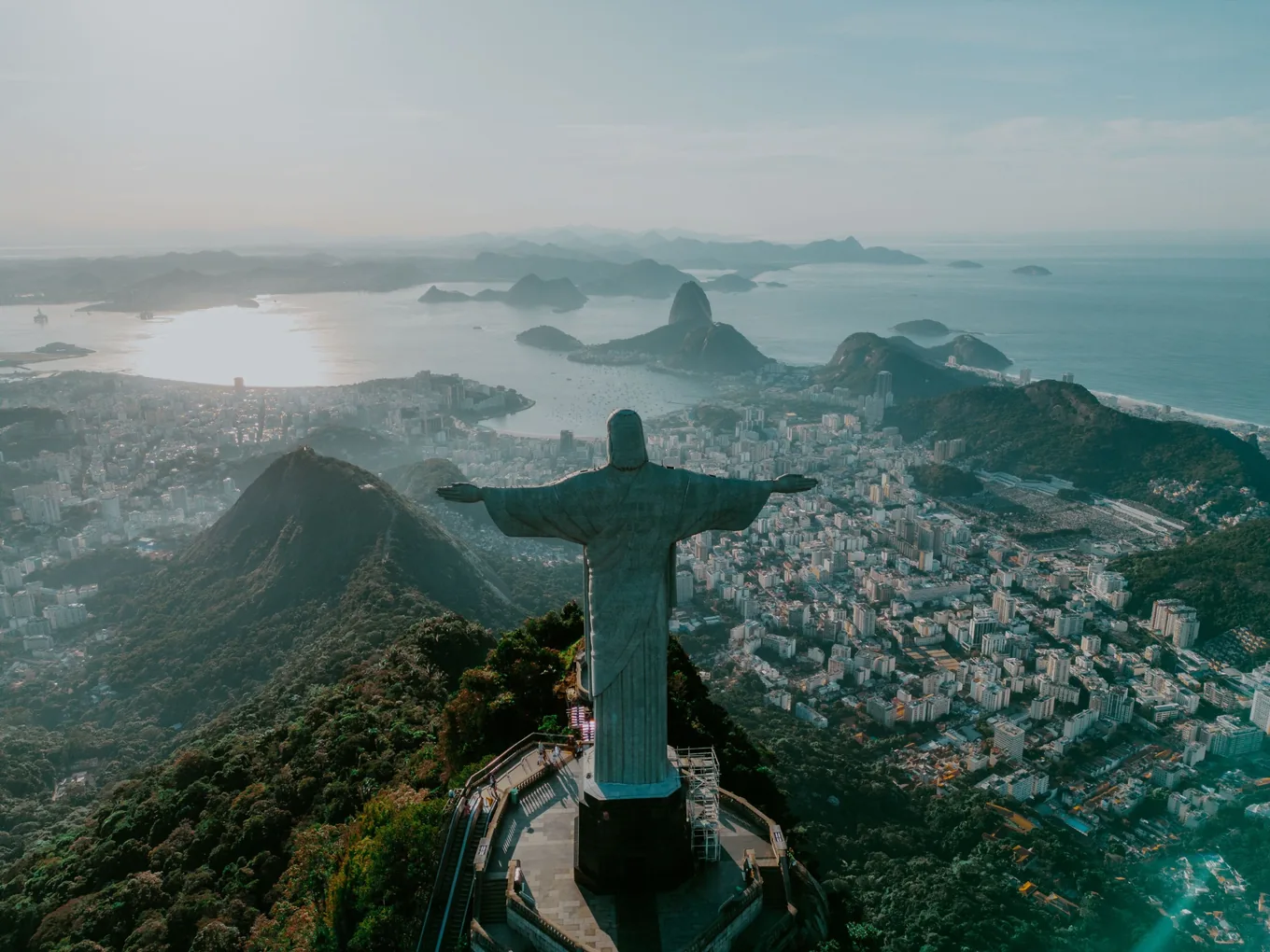
Christ the Redeemer stands on Corcovado, and the mountain was reachable long before the figure on it. Dom Pedro II opened the rack railway in 1884, and the same line later hauled the statue up in pieces across four years. Cloud can sit on the summit for an hour and then lift completely in minutes, which is a good reason to go early.
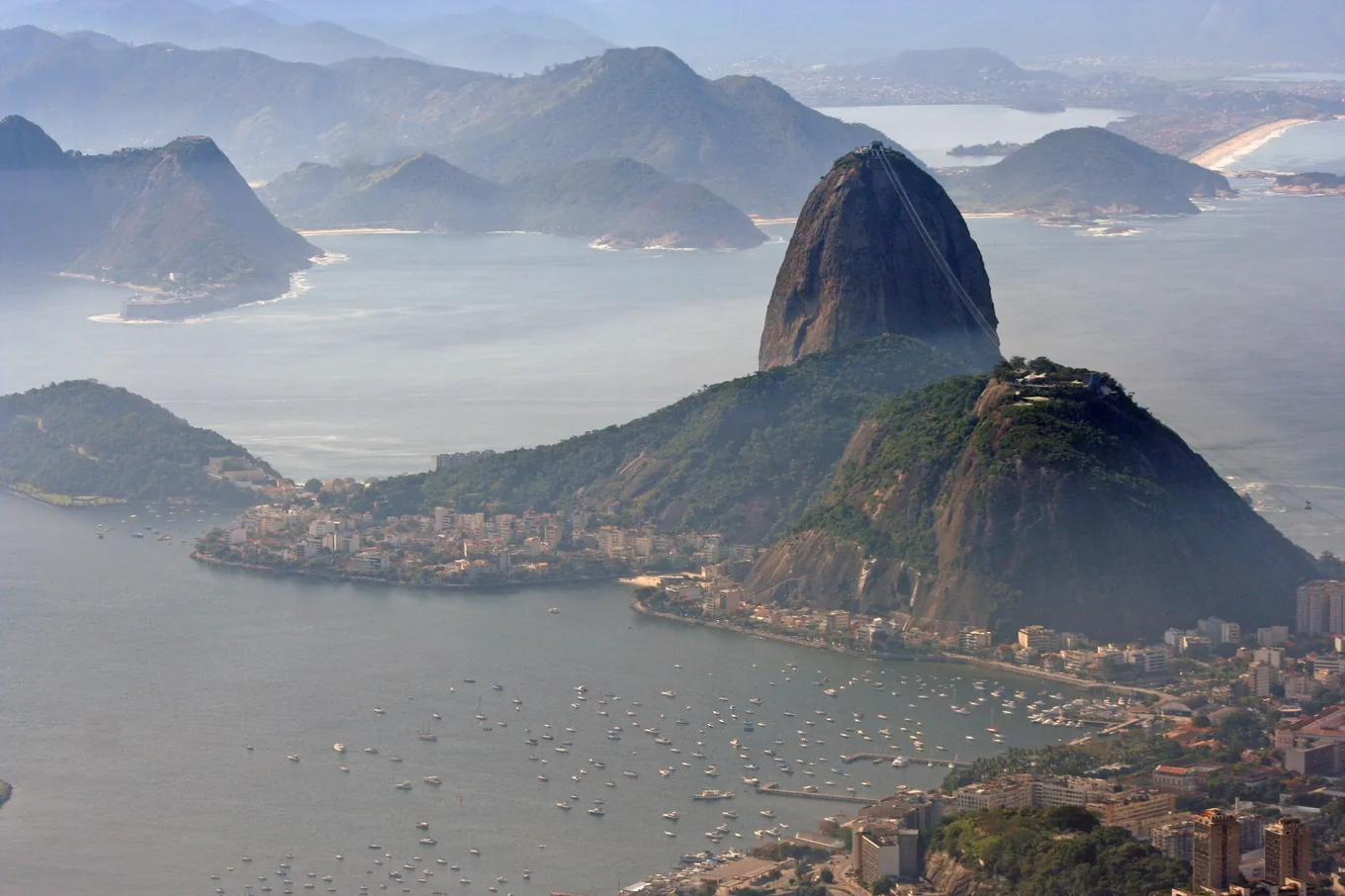
Sugarloaf is the other summit, across the city by the bay. A full-day tour usually covers both, with the Selarón Steps on the way. Selarón began his tiled staircase in 1990, on the steps that climb from Lapa toward Santa Teresa.
Rio opens from above first, and then from street level.
It is a long day. The stops sit far apart, the statue platform has no shade, and every stop has stairs and uneven paving.
Three beaches, three different days
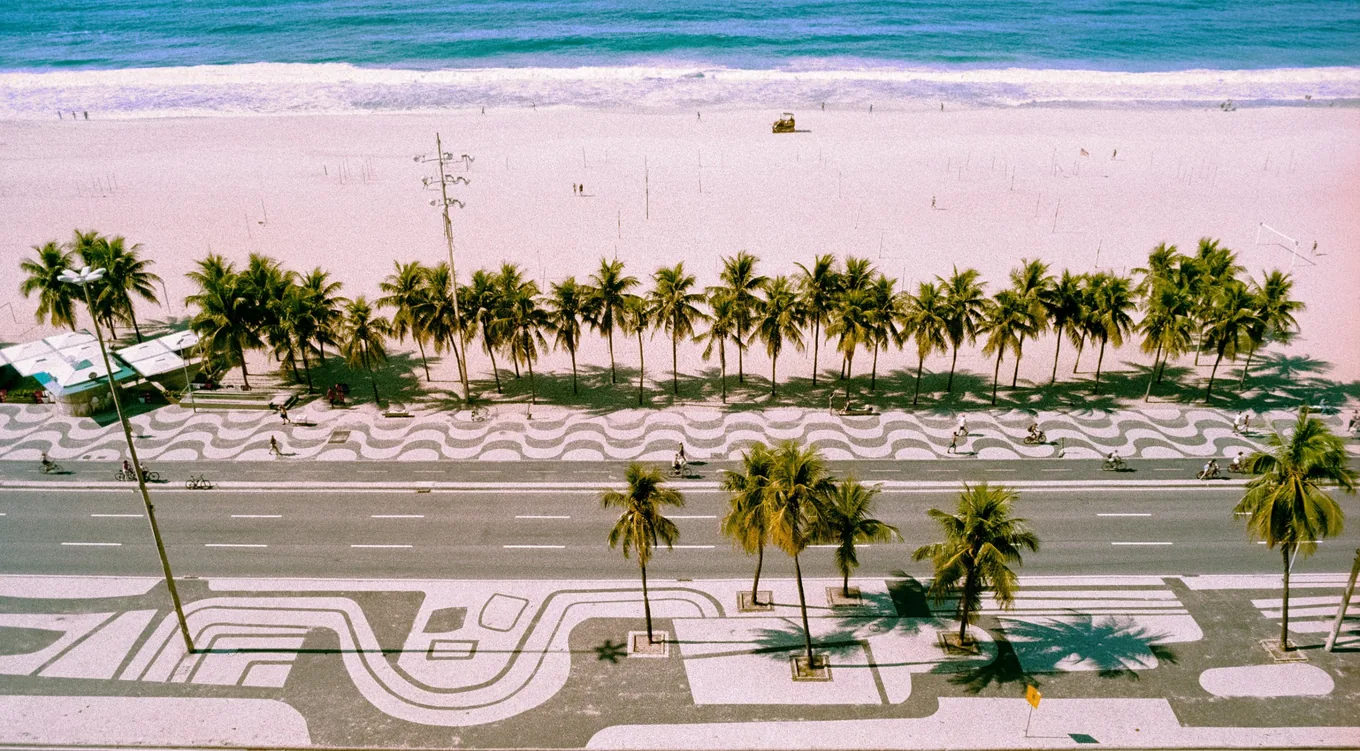
Copacabana is the long one. Roberto Burle Marx redrew its promenade in 1970 and kept the wave, black basalt against white stone, four kilometers that read as a single line from above. A fort holds each end. Early mornings belong to runners and swimmers, before the vendors set up.
Ipanema has its own crowd at every lifeguard post, and Posto 9 is the best known. Local lore holds that Jobim and Vinícius de Moraes wrote The Girl from Ipanema in 1962, in a bar a street back from this sand.
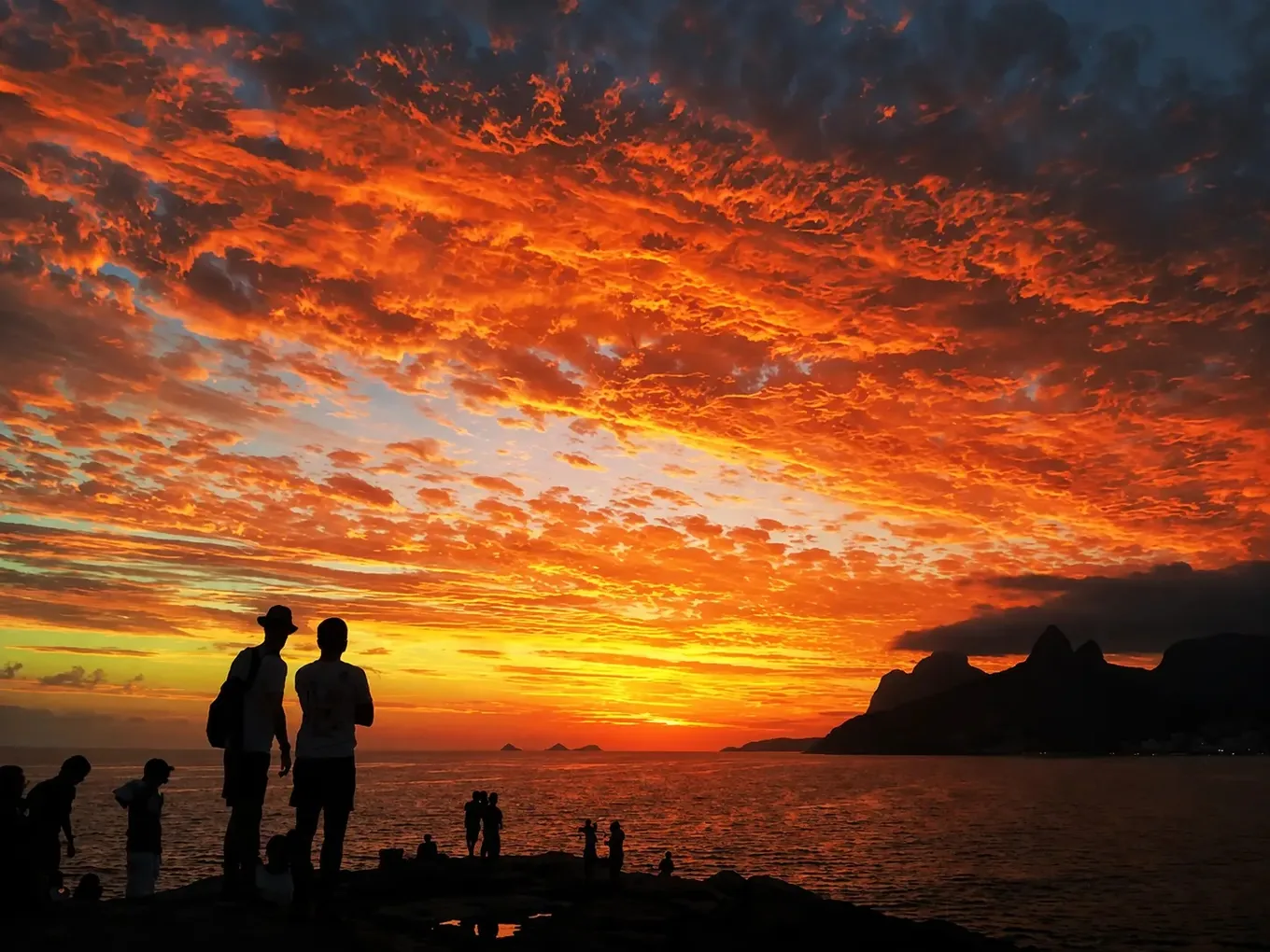
Arpoador is a rock between the two, and it is where the day ends. Sunset here draws applause, a habit usually credited to the columnist Carlos Leonam in 1968. Arrive half an hour ahead, because the rock fills.
The forest the city planted
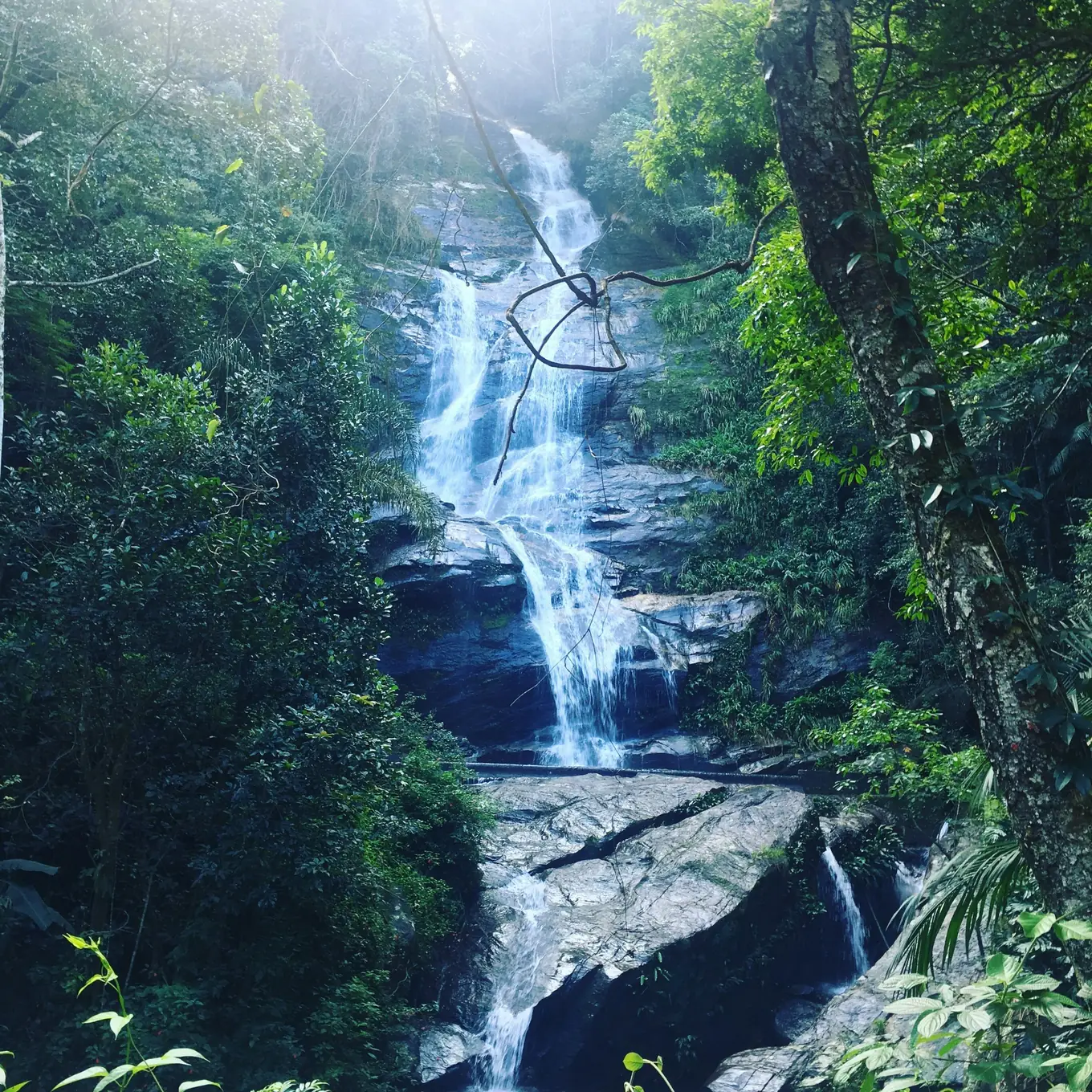
The Tijuca Forest above Rio was planted. Coffee had stripped these slopes bare, and from 1861, under Major Archer, enslaved workers planted about a hundred thousand trees to save the springs that fed the city. Taunay Falls drops 35 meters through the forest they grew.
Forty minutes from the beach, the noise stops.
It is a half day on trails over roots, rock, and water, with caves that stay dark and damp. The forest holds its own weather, cooler and wetter than the beaches. Wear shoes that can get wet.
Out on the water
Guanabara Bay is best at the end of the day, from a sailing boat. France tried to hold this bay first. Villegagnon founded his colony here in 1555 and lost it within twelve years, and the forts that answered him still stand on the water.
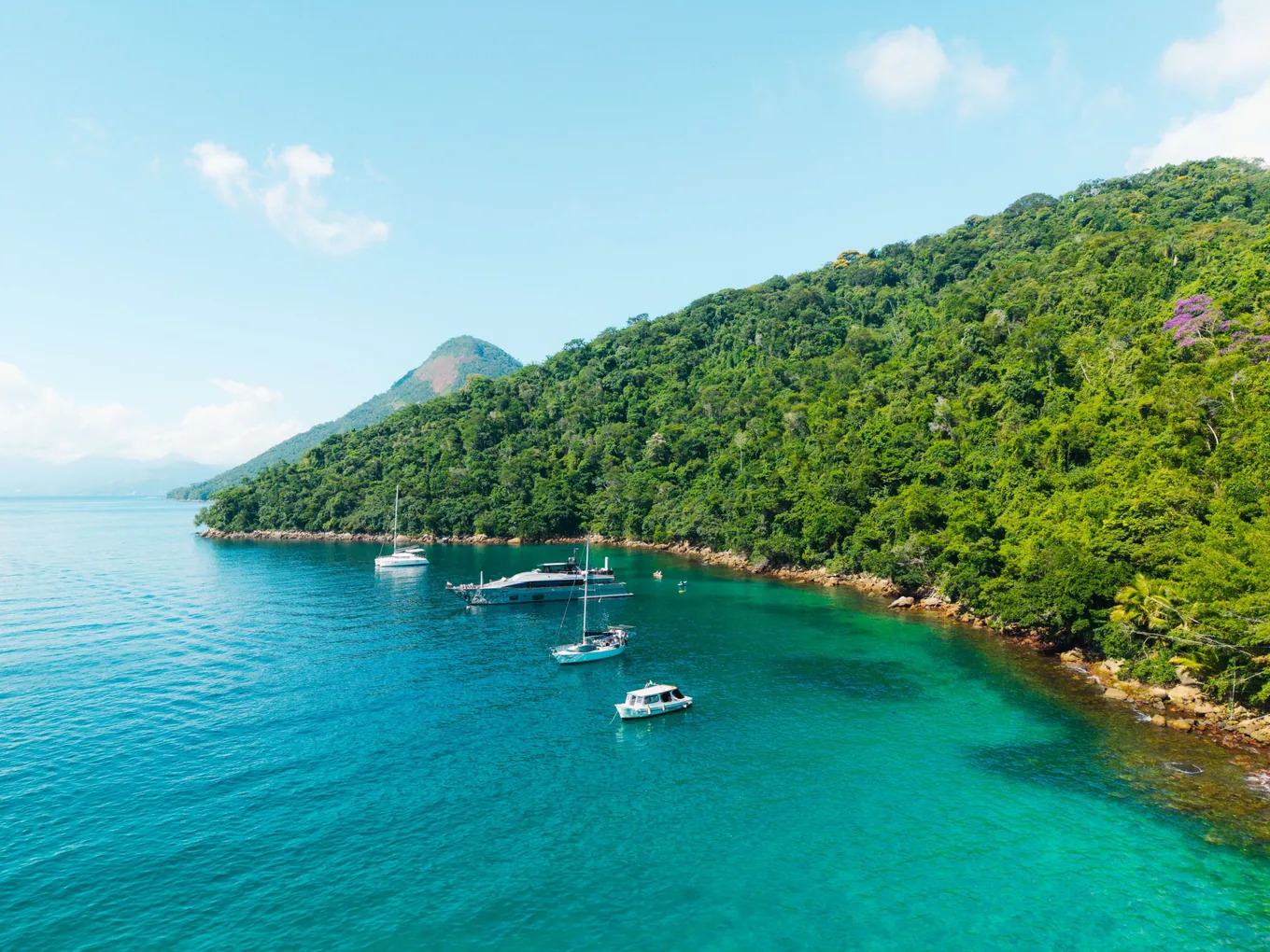
Ilha Grande is the far version of the same idea, and a whole day in itself. UNESCO listed this coast in 2019 for its culture and its biodiversity together, and a state park covers most of the island, so the forest still reaches the sand. The road leaves early and the return runs into the evening.
On foot, at street level
Rocinha is best seen with a guide from the community, along the lanes and stairways its residents use to get home. The walk is built to observe rather than intrude, and part of the tour fee stays in the community.
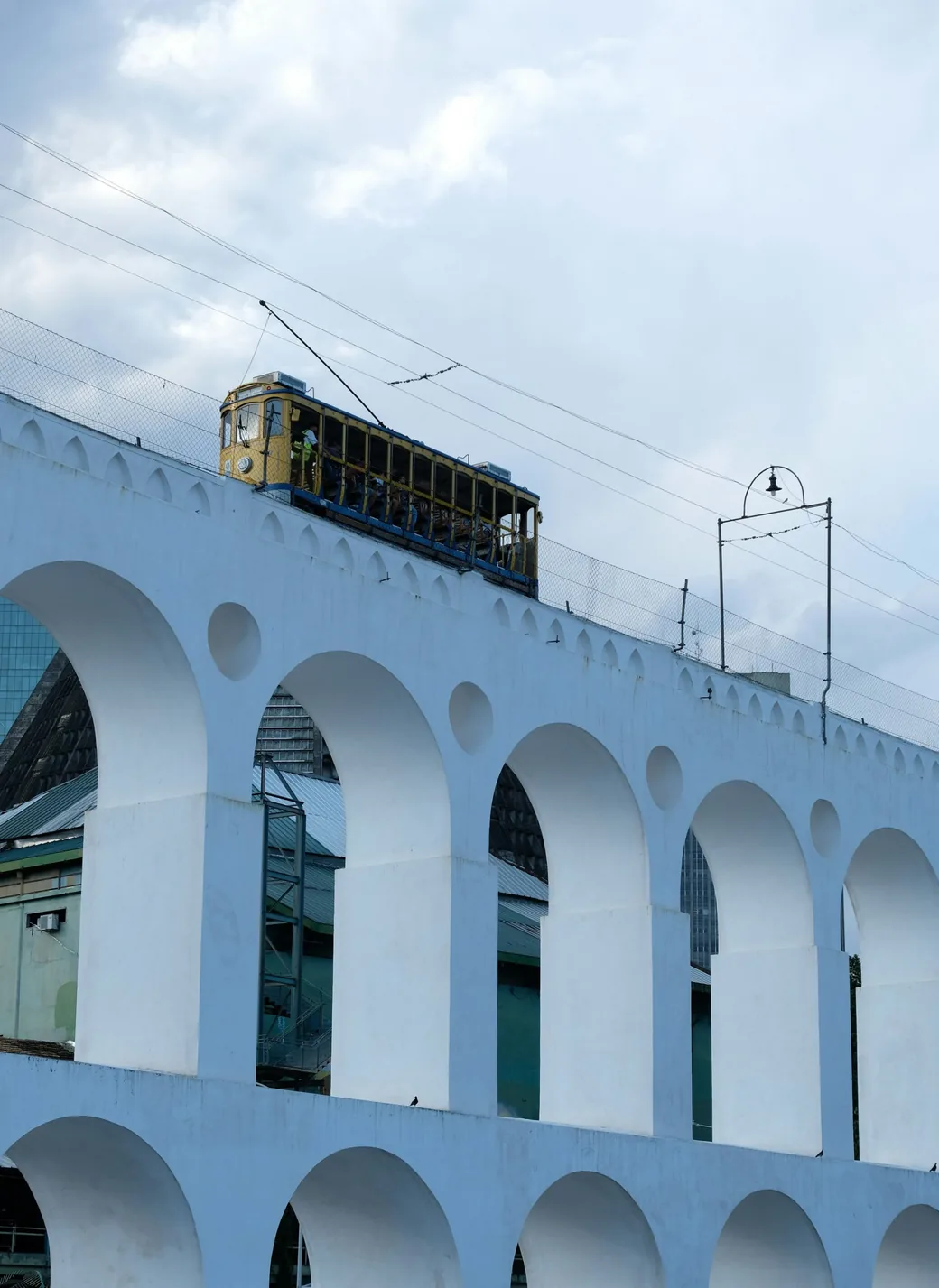
Santa Teresa sits on a hill above the center. The arches that carry its yellow tram were built as an aqueduct, and when the aqueduct was retired in 1896 the city laid rails across the top. The bonde still climbs the hill the same way.
Pedra do Sal is where the night goes. Salt came ashore on these steps, carried up by enslaved dockworkers in the quarter Rio calls Little Africa. The stone is listed heritage now, and on samba nights the roda forms at its foot and holds the street. There are no tickets and no tables. Plan the ride home before you arrive, and take it by app.
Putting them in order
None of this is hard to find. Fitting it into a week is the harder part, because a day beyond the city takes twelve hours or more, and two long days in a row weigh on the rest of the week. We wrote about why in Rio is farther than it looks.
The list is the easy part. The order is the work.
The same places are laid out by day in our free routes for 3 days, 5 days, and 7 days.
Worth knowing
- Pedra da Gávea rises more than 840 meters at the edge of the ocean, higher than Dubai's Burj Khalifa at 828 meters.
- Plan the ride home from Pedra do Sal before you arrive, and take it by app.
- Cash is still king. Cards are widely accepted. Keep small cash for beach kiosks, markets, and tips.