Cusco/Practical advice
What to pack for Cusco, from cold nights to the high days
A city at around 3,400 meters asks for layers more than luggage. A packing list built around the cold nights, the rainy months, and the long high days.
At a glance
- COLD NIGHTS
- Around 1 °C in July
- RAIN GEAR
- November to March
- MACHU PICCHU
- Bag up to 40x35x20 cm
In this article
In our climate data, the days in Cusco stay between 18 and 21 °C all year. The nights are what change. In July they fall to about 1 °C, and from November to March the rain is frequent. So the suitcase is less about the season you arrive in than about the hours of the day. Here is the list, by the parts of the trip that need it.
Layers for warm days and cold nights
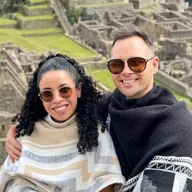
Pack in layers you can take off by noon and put back on at sunset. Our catalog advises a warm layer in every month of the year, and a thermal layer in June and July, when the nights are the coldest. In the dry months, from May to August, the nights drop to between 1 and 3 °C.
Add sunscreen, sunglasses, and a hat, in every month. The advice in our catalog is sun protection all year round.
In Cusco, the day decides the first layer, and the night decides the last one.
The rainy months
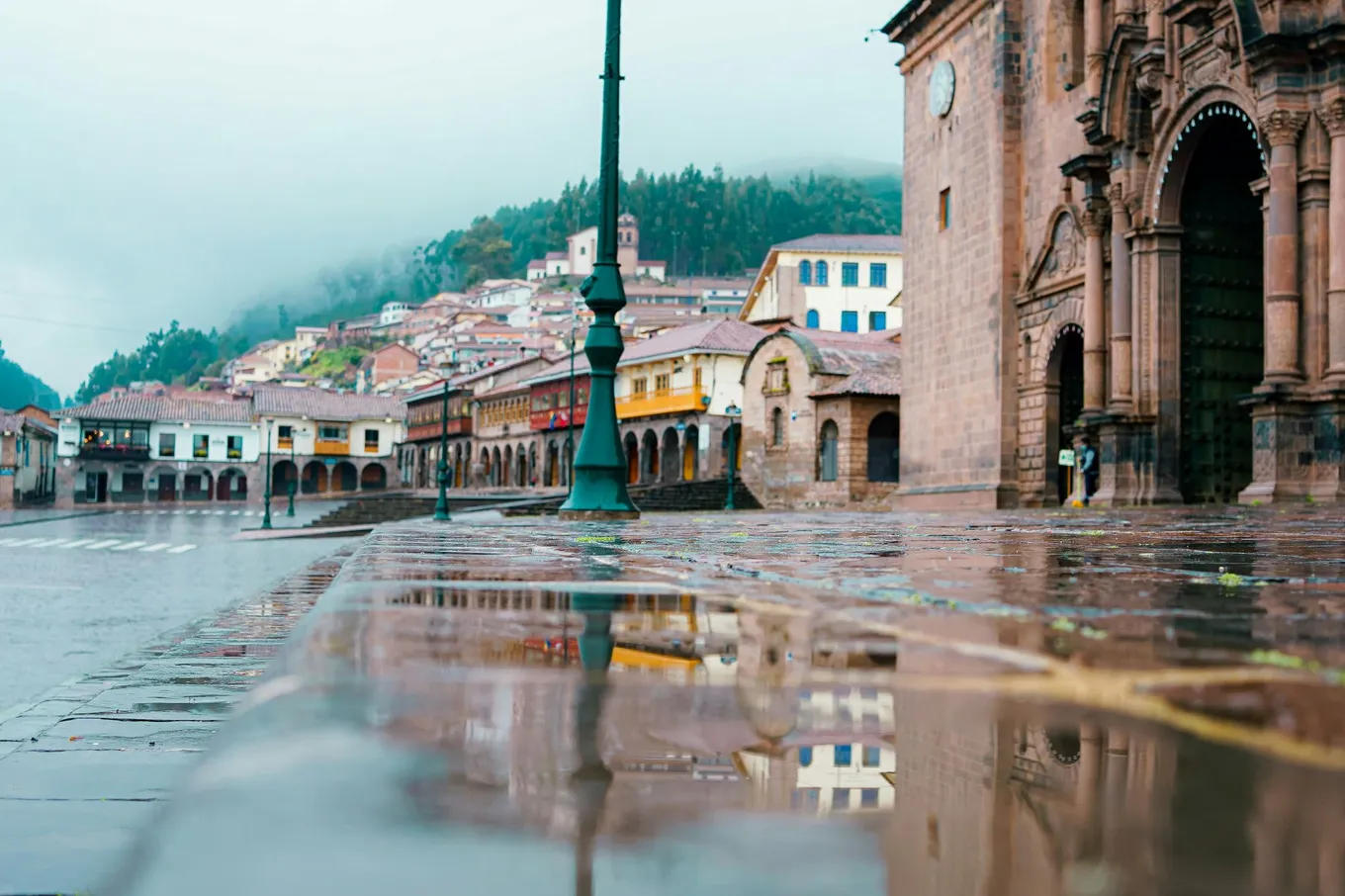
From November to March, bring a rain jacket and shoes that keep water out. January is the wettest month in our data, with about 150 mm of rain, and from October the rains begin to return. Our data notes that the January showers come in the afternoon, so keep a light jacket in the day bag.
For the mountain days
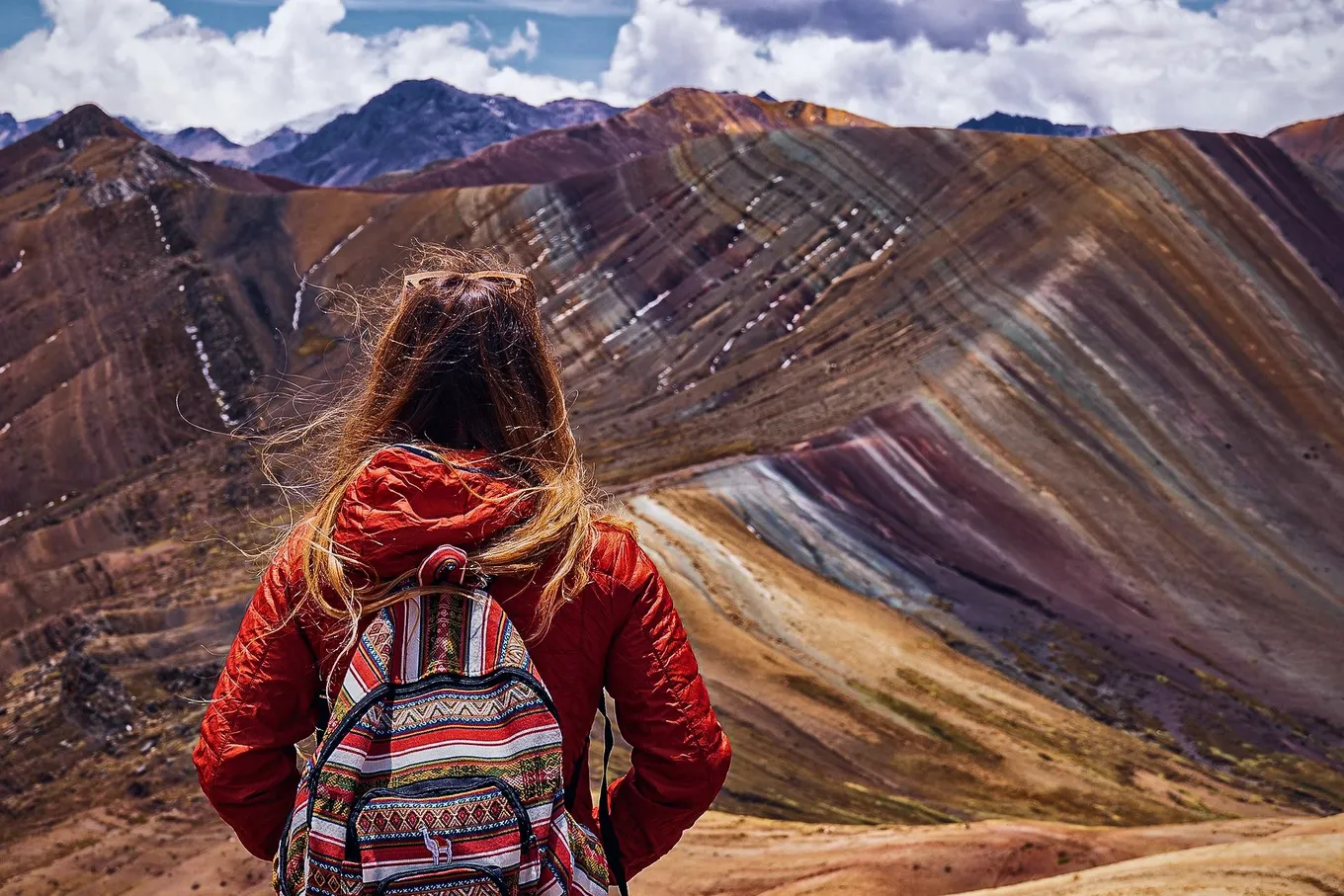
The long days in the mountains begin before dawn. Rainbow Mountain rises above 5,000 meters, and Pallay Punchu reaches 4,770 meters, so the start of the walk is the coldest hour of the trip. Bring gloves, a warm hat, and a jacket you can wear over everything else, and take them off as the sun comes up. Comfortable shoes for walking matter more here than anywhere else in the week.
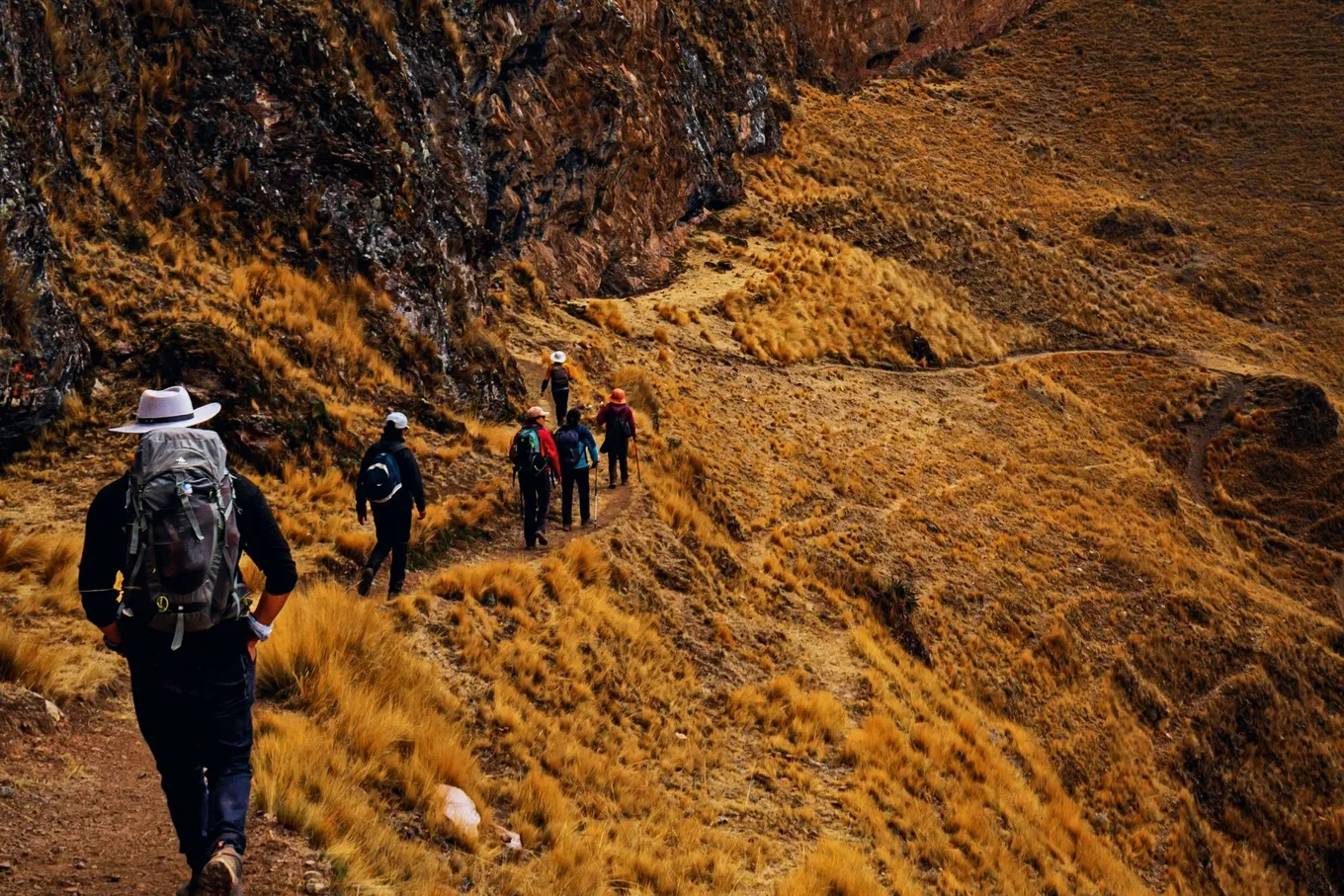
Most tours from Cusco start early, our catalog notes, so lay out the warm layers and the day bag the night before. We compared the high days in Rainbow Mountain or Pallay Punchu? and Humantay Lake or the Ausangate lakes?.
For Machu Picchu
Machu Picchu has its own rules, and they decide what goes in the bag that day. According to the site's official code of conduct, bags and backpacks larger than 40 x 35 x 20 cm are not allowed inside, and neither is food. Shoes with heels or hard soles are not allowed either, so wear soft-soled walking shoes. Bring the passport you bought the ticket with, since tickets are now tied to the visitor's ID, and check the entry rules when you book. We wrote about the day in Machu Picchu from Cusco in one day.
Documents, plugs, and cash
Cards work in the center of Cusco, but carry some cash in soles (PEN) for taxis, markets, and tips. Many sockets in Peru take both flat-pin US plugs and two-round-pin plugs, and the current is higher than in the United States, so check that your chargers work at both voltages.
Drink bottled water. For your phone, a SIM or eSIM from Claro or Movistar needs an ID document to activate, and the advice in our catalog is to test the data before you leave the shop or the airport.
The apps to have before you land
WhatsApp handles the confirmations for hotels, transfers, tours, and restaurants. An offline map with your hotel saved before landing covers the first hour, when the advice in our catalog is to give the first morning to the altitude and not to plans.
The rest of the first days is in Why altitude changes the shape of a Cusco trip, the months are compared in The best time to visit Cusco, and our free routes for 3 days, 5 days, and 7 days in Cusco show which days need the warm layers and the early alarm.
Worth knowing
- On the Machu Picchu day, leave walking sticks and umbrellas at the hotel: the site's rules do not allow them inside.
- Cash is still king. Cards work in central spots. Keep some cash for taxis, markets, and tips.