Cusco/When to go
The best time to visit Cusco
Two seasons, not four, and how each one shapes a trip.

At a glance
- By day
- 18–21 °C
- Dry season
- May–September
- Wettest month
- January
- Coldest nights
- July
Cusco does not have summer and winter in the way most visitors expect. By day it is mild all year, between 18 and 21 °C in every month of our climate data. What changes is the rain, and how cold the night gets once the sun goes down.
So the question is less when Cusco is warm than when it is dry, and how much cold after dark you are willing to pack for.
The dry months
May to September is the dry season. Rain falls to between 10 and 25 millimeters a month, the skies stay clear, and the days are bright. The nights are the price. In June and July they drop to 1 or 2 °C, the coldest of the year.
In the dry months, the sun is warm and the shade is not.
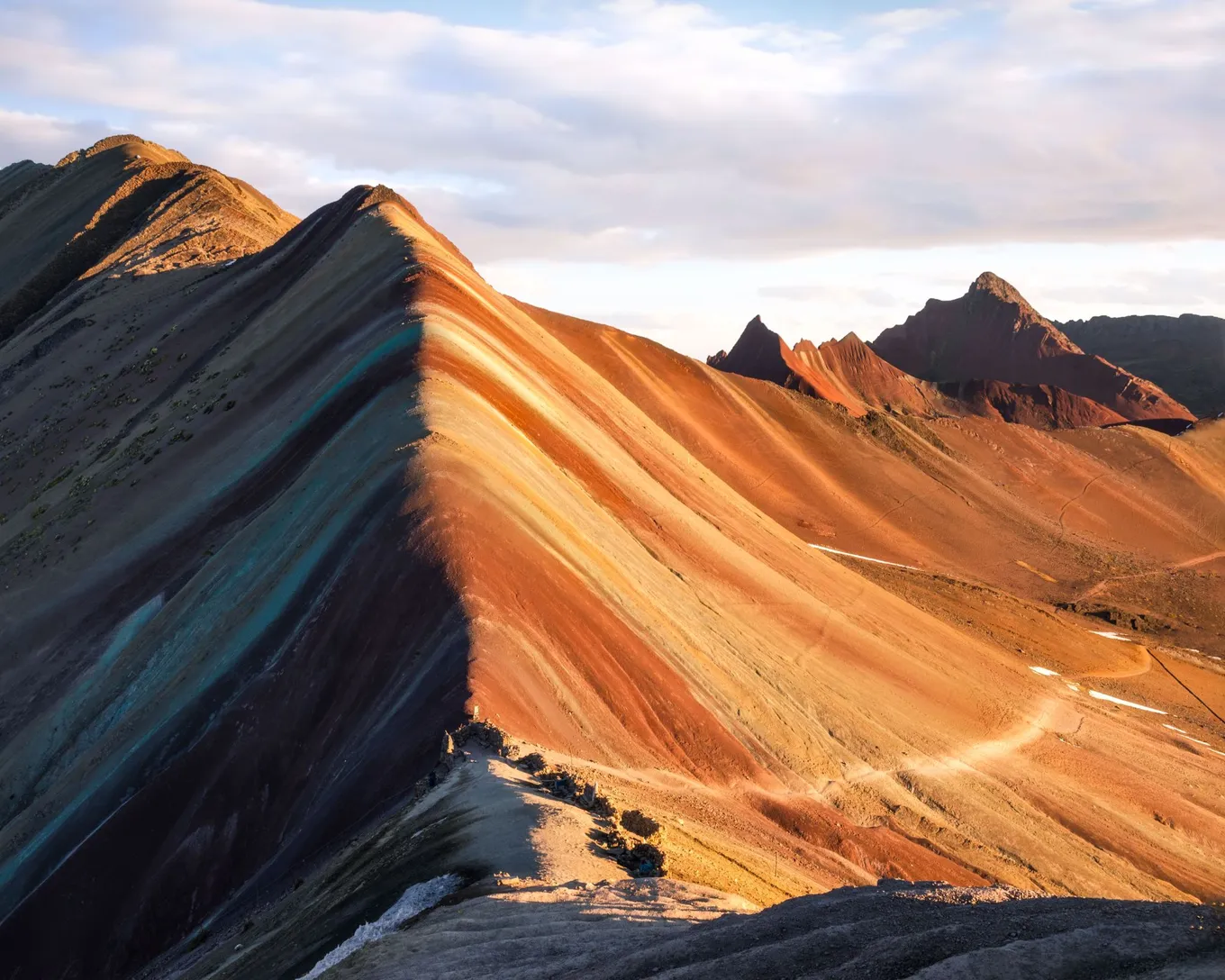
These are the months the high days reward most. The stripes of Rainbow Mountain show most clearly under open skies, and Humantay Lake is clearest early, before cloud gathers over the bowl. We compared them in Rainbow Mountain or Pallay Punchu? and Humantay Lake or the Ausangate lakes?.
June, and the feasts
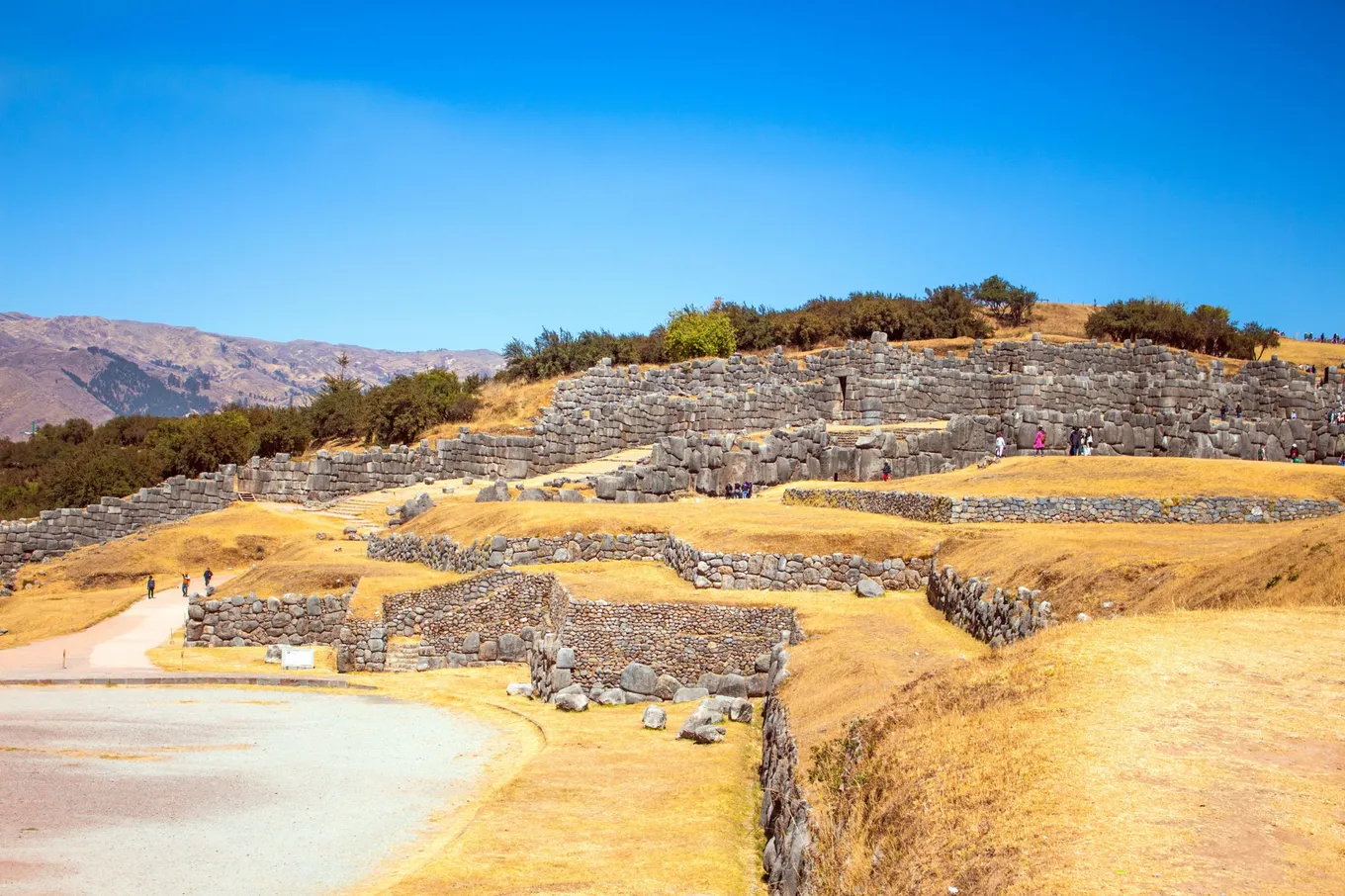
Inti Raymi, the festival of the sun, is held every June 24. It moves through the city in three stages, starting at Qorikancha in the morning, passing through the Plaza de Armas, and ending at Sacsayhuamán in the afternoon. The reserved seats at Sacsayhuamán sold out ahead of the day in 2026, and the crowds are large, so book early if you want a seat.
Corpus Christi falls in late May or June, its date set by Easter. It is when Cusco eats chiriuchu, the dish it keeps for that feast. We wrote about it in What to eat in Cusco.
The wet months
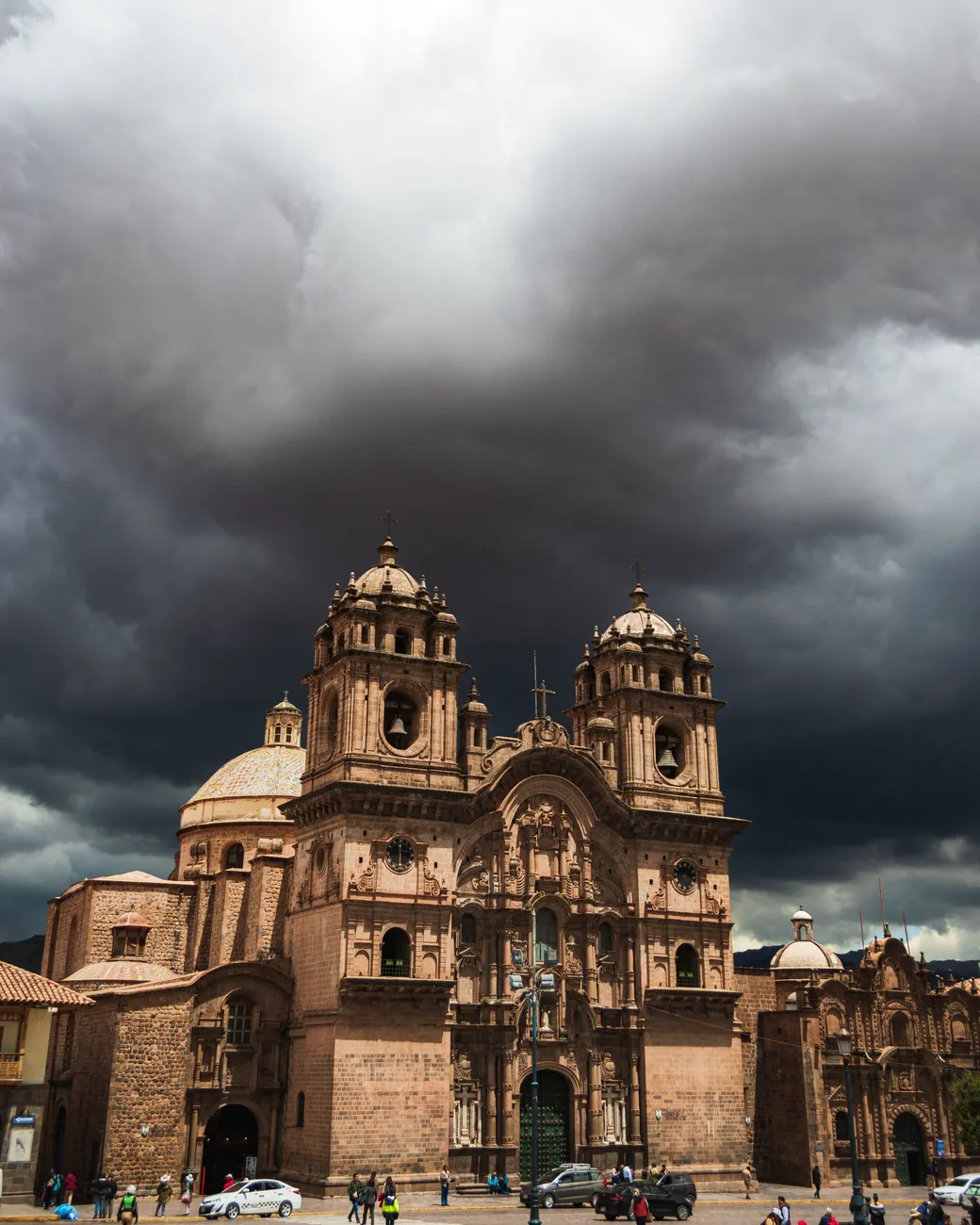
December to March is the rainy season. January is the wettest month, at around 150 millimeters, and the rain tends to arrive in the afternoon. The valley turns green, and the nights are milder, around 8 °C.
Low cloud settles on the high ground more often, which matters on a day spent above 4,000 meters. Each February the Inca Trail closes for maintenance, and in 2026 it was set to reopen on March 1.
The wet season changes the afternoons more than the mornings.
A wet-season trip works best with early starts and indoor afternoons in reserve: a cooking class, the chocolate workshop, a long lunch in San Blas.
The months between
April is the turn of the season, drier as the month goes on, with the cold still holding at night. October warms through the middle of the day, to 21 °C, while showers begin to return. November tips toward the rains, with gray afternoons more common and a real chill after dark.
These months sit between the two patterns, and each one leans a little toward the season it is closest to.
Whatever the month
Pack a warm layer for every evening, in every season. The sun is strong at 3,400 meters, so sunscreen belongs in the bag in January as much as in July. From October to March, add a rain jacket and shoes that can take a wet street.
The first days are for adjusting to the altitude, whatever the month. We wrote about why in Why altitude changes the shape of a Cusco trip.
You can see how a week in Cusco comes together in our free routes for 3 days, 5 days, and 7 days.
Worth knowing
- Inti Raymi in its modern form dates from 1944, when Faustino Espinoza Navarro staged a reconstruction with Indigenous actors.
- Cash is still king. Cards work in central spots. Keep some cash for taxis, markets, and tips.