Cusco/Practical advice
The Boleto Turístico del Cusco: what it covers, and full or partial
One ticket opens sixteen places, from the walls above the city to the terraces of the Sacred Valley. What is on it, what is not, and how to choose between the full ticket and a single circuit.

At a glance
- FULL TICKET
- 16 places, 10 days
- PARTIAL
- 3 circuits, 1 or 2 days
- NOT INCLUDED
- Qorikancha, Machu Picchu
In this article
Many of the Inca sites around Cusco are entered with one ticket, the Boleto Turístico del Cusco, a combined ticket issued by COSITUC, the committee that runs it. It covers archaeological parks, monuments, and museums, in the city and in the valleys around it. The real question is which version fits your days.
What the full ticket covers
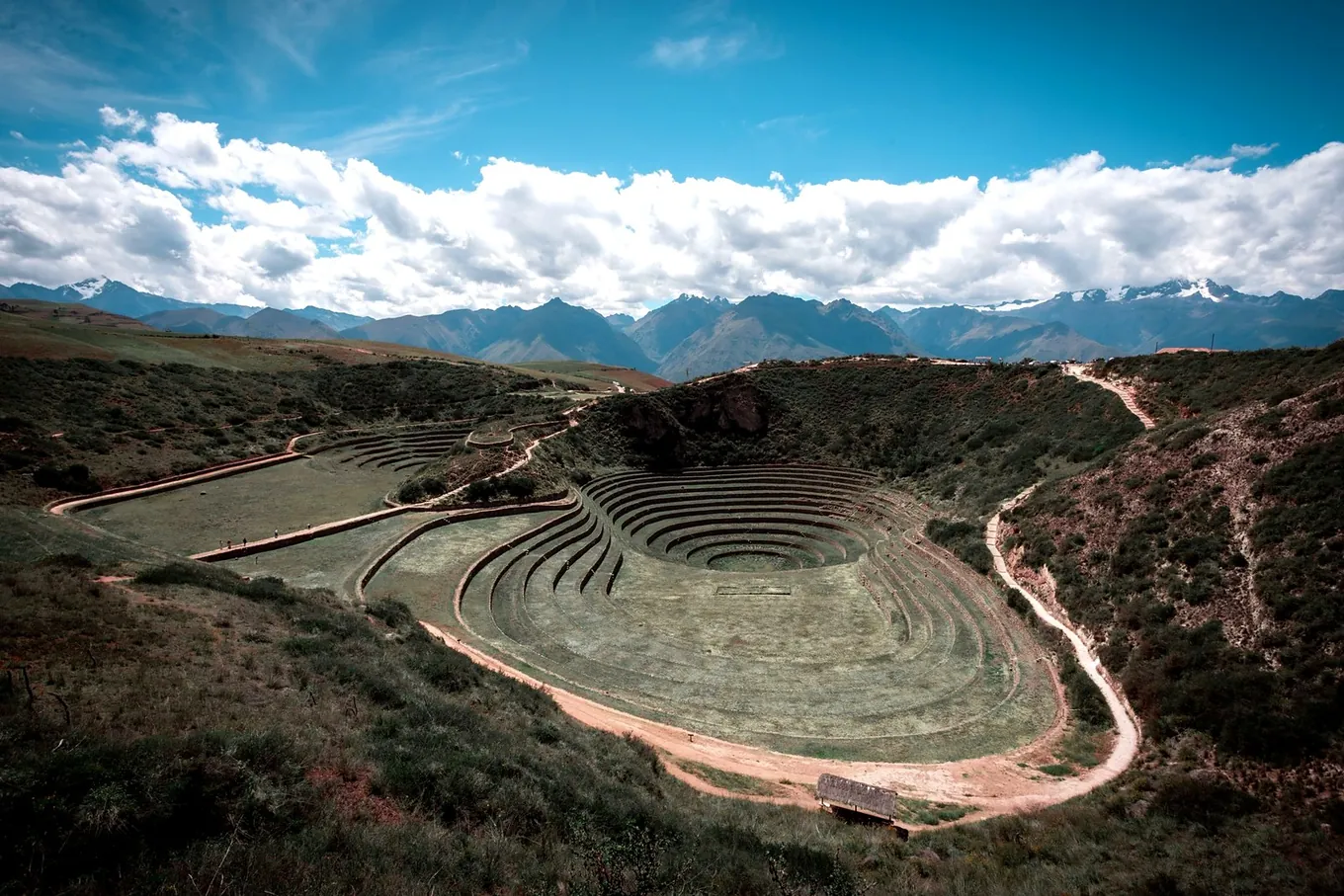
The full ticket, the integral, lasts ten days and opens sixteen places. Ten are archaeological parks: Sacsayhuamán, Q'enqo, Puka Pukara, and Tambomachay above the city, Pisac, Ollantaytambo, Chinchero, and Moray in the Sacred Valley, and Tipón and Pikillaqta in the valley to the south. Two are monuments in the city, the Monumento a Pachacuteq and the Centro Qosqo de Arte Nativo. Four are museums: the site museum of Qorikancha, the Museo Histórico Regional, the Museo de Arte Contemporáneo, and the Museo de Arte Popular.
That spread is the point of it. With ten days, the ticket follows a whole stay rather than a single outing.
Three places that earn the ticket
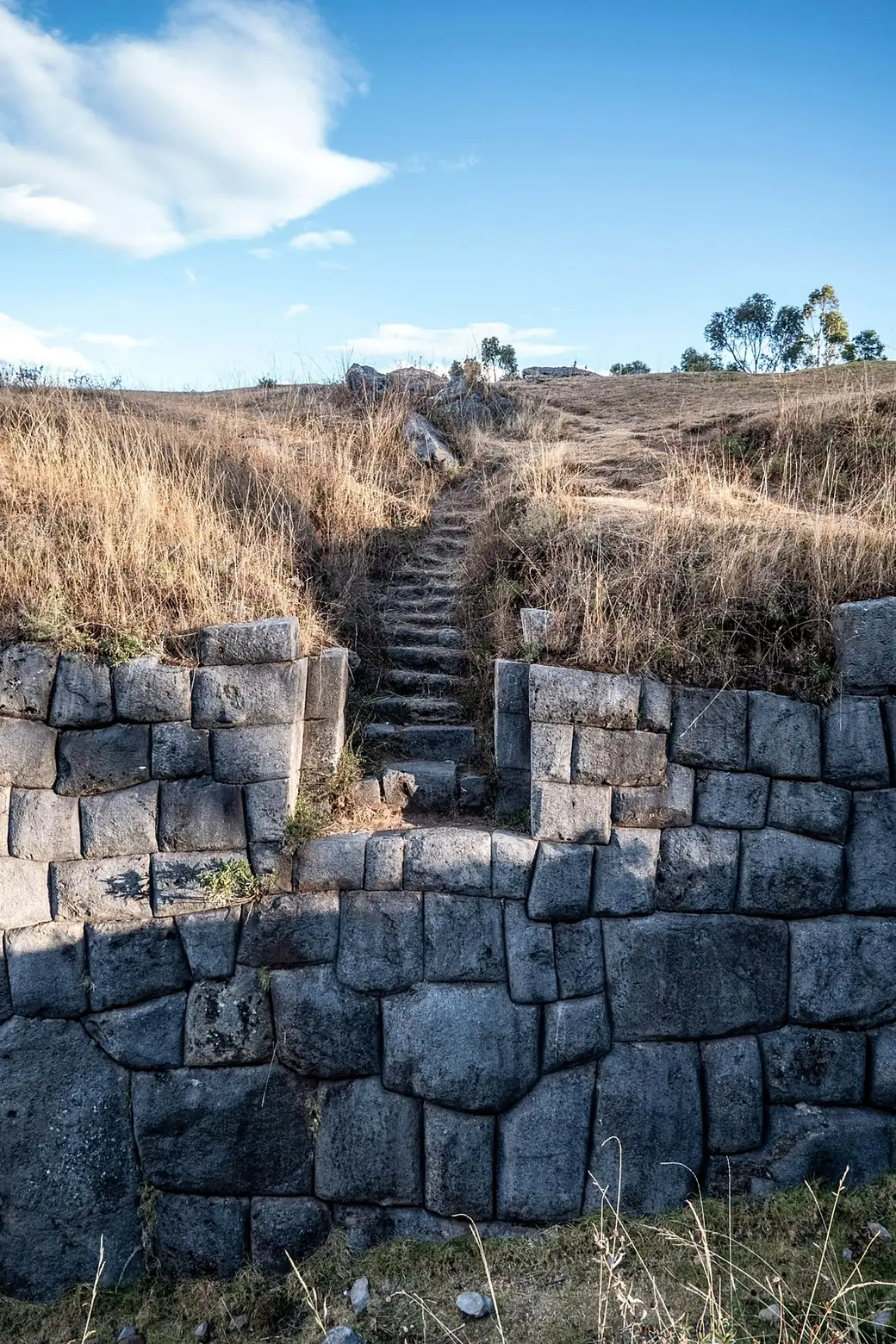
Sacsayhuamán alone would justify it. Its stones weigh more than a hundred tonnes and are fitted so closely that a knife blade will not slip between them, and no two blocks share a shape, each cut to meet the ones already set beside it.
In the Sacred Valley, Ollantaytambo is still lived in on its Inca street grid, and from its terraces Manco Inca flooded the plain in 1537 to stop the Spanish cavalry. Pisac pairs its terraces with a market in the town below, largest on Sundays, while Tuesday and Thursday feel more local.
The three partial tickets
If you only plan one part, COSITUC sells three partial tickets, each a circuit with its own places and its own validity.
Circuit I, Sacsayhuamán, lasts one day and covers the four sites above the city: Sacsayhuamán, Q'enqo, Puka Pukara, and Tambomachay.
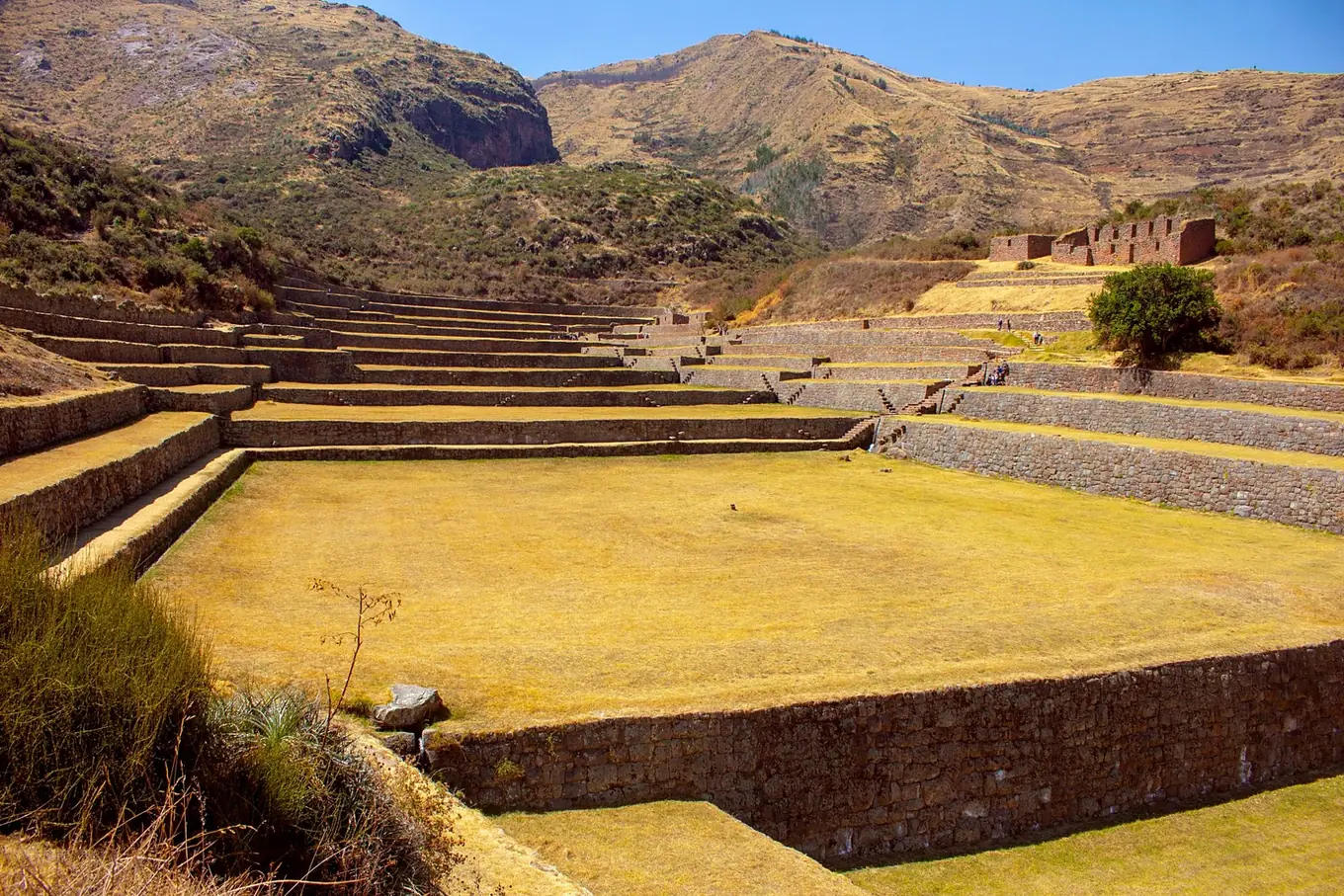
Circuit II, the city and the southern valley, lasts two days and covers the site museum of Qorikancha, the Museo Histórico Regional, the Museo de Arte Contemporáneo, the Monumento a Pachacuteq, the Museo de Arte Popular, the Centro Qosqo de Arte Nativo, and the archaeological parks of Tipón and Pikillaqta.
Circuit III, the Sacred Valley, lasts two days and covers Ollantaytambo, Pisac, Chinchero, and Moray.
What it does not cover
Some of the best-known places in Cusco are not on the ticket. The Qorikancha temple itself has its own ticket. The Boleto only includes the site museum below it. The cathedral on the Plaza de Armas is not on the list. Neither is Machu Picchu, which is sold through a separate national system. For that, read How to buy Machu Picchu tickets in 2026 and 2027.
In the Sacred Valley, Moray is on the ticket, but the salt pans of Maras near it are not. If your valley day includes Maras, plan its entry separately.
Sixteen places on one ticket, and neither Machu Picchu nor the Qorikancha temple is among them.
Full or partial: how to choose
Start from the days you have. If you plan the sites above Cusco on one day and the Sacred Valley on another, you need two circuits. By COSITUC's rates for foreign visitors in October 2026, two partial tickets cost more than one full ticket, and the full ticket also adds the city museums and the southern valley, with ten days to use it.
If you plan only one of those days, a single partial ticket is enough. Circuit I fits a morning or afternoon above the city. Circuit III covers a day in the Sacred Valley, with two days to use it.
The ten days of the full ticket matter more than they seem. Most stays in Cusco begin with slower days at altitude, and a ticket that lasts ten days leaves room for that. Read How many days in Cusco? for how a stay usually unfolds.
Students, children, and residents
COSITUC sells a student ticket with the same ten days. It is for travelers aged 10 to 17, who show an identity document, and for those aged 18 to 25 who show a valid student card or an ISIC card. Children under 10 do not pay, except at the Centro Qosqo de Arte Nativo, where a seat is charged from age 6. Foreign residents of Peru can buy the Boleto Promocional with a valid carnet de extranjería or permanent residence.
How it fits the days
Two of the days we plan in Cusco follow the circuits closely. The tour of Sacsayhuamán and the Inca sites visits exactly the four places of Circuit I, and the Boleto covers their entry, while a guide is a separate fee. Read Sacsayhuamán and the Inca sites above Cusco for the day itself.
The Sacred Valley day stops at Chinchero, Moray, Ollantaytambo, and Pisac, the four places of Circuit III, and also at Maras, which is not on the ticket. On most tours, site entries are paid apart from the tour. Read The Sacred Valley from Cusco: a full day or a half day? before you choose.
Before you buy
The ticket is sold in person only, not online. The main counter is at Avenida El Sol 103, in the Galerías Turísticas, open every day from 7:30 a.m. to 6 p.m., and most of the included sites sell it too. Four do not: the Museo Histórico Regional, the Centro Qosqo de Arte Nativo, the Museo de Arte Popular, and the Museo de Arte Contemporáneo. The ten days start on the day you buy it, so buy it on the day of your first visit rather than on arrival. Prices and rules change, so check them on COSITUC's site before you travel. For the rest of the city, read What to do in Cusco.
Worth knowing
- Planning the sites above Cusco and the Sacred Valley? Two partial tickets cost more than one full ticket, by COSITUC's October 2026 rates.
- Cash is still king. Cards work in central spots. Keep some cash for taxis, markets, and tips.