Cusco/Destination guides
What to do in Cusco
A city built on Inca walls, a valley of terraces below it, and mountains that take a whole day each. Where to start, and what each place takes.
At a glance
- ONE PASS
- 16 sites, valid 10 days
- ALTITUDE
- About 3,400 meters
- START
- 4 a.m. on mountain days
In this article
Cusco has been a UNESCO World Heritage Site since 1983, and at about 3,400 meters it is high enough to shape the whole week. The city itself is best on foot and slowly, the valley needs a full day, and the high trips start before dawn. Every tour mentioned below is in our Cusco catalog.
The city on foot
Start where the Inca walls are easiest to read. On Hatun Rumiyoc, a block from the main square, the twelve-angled stone sits in a wall of Inca Roca's palace, today the Archbishop's Palace, and each of its corners locks into a neighboring block with no mortar between them. On Sundays, a flag-raising ceremony is held on the Plaza de Armas. The cathedral on the square charges its own entry.
At Qorikancha, the Spanish raised the church and convent of Santo Domingo on the Inca temple of the Sun. The earthquakes of 1650 and 1950 brought down much of the church, and the Inca walls beneath it were left standing. Qorikancha has its own ticket, and on Sundays and public holidays it opens only in the afternoon, according to PromPerú.
San Blas climbs above the center. It is known as Cusco's artisans' quarter, its church keeps a carved pulpit from the seventeenth century, and its steep lanes open onto views across the tiled roofs. Mid-morning is quietest there.
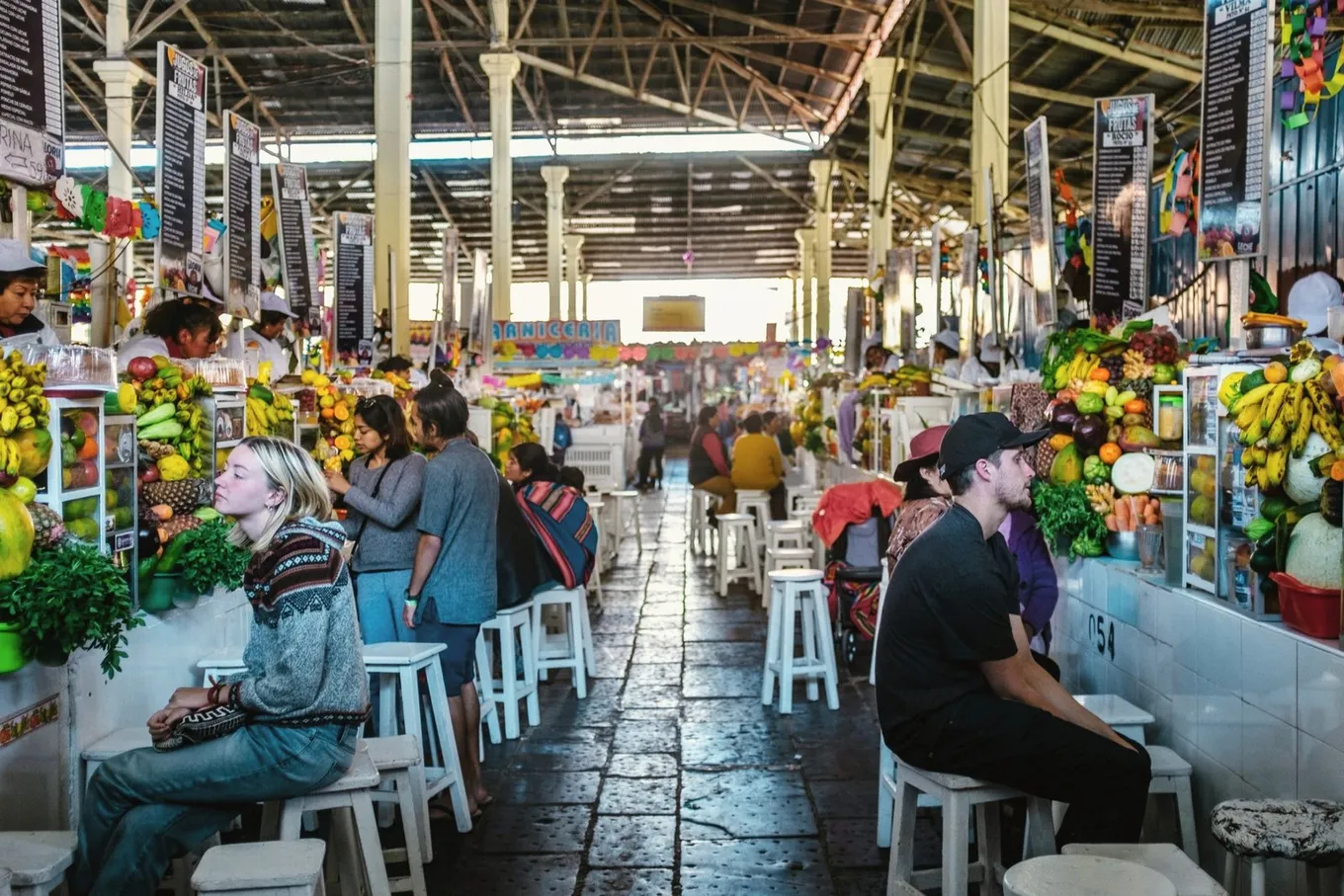
San Pedro, the city's central market, has carried that name since 1925 and was declared part of Peru's national heritage in 2024. Local tradition credits its iron structure to the workshop of Gustave Eiffel, though we found no record that confirms it, and the 2024 heritage declaration does not mention him. A cooking class in our catalog starts with a walk through a market like this one, then moves into a working kitchen, and the meal you sit down to is the one you cooked.
In Cusco, the walls tell you where you are before any sign does.
Above the city
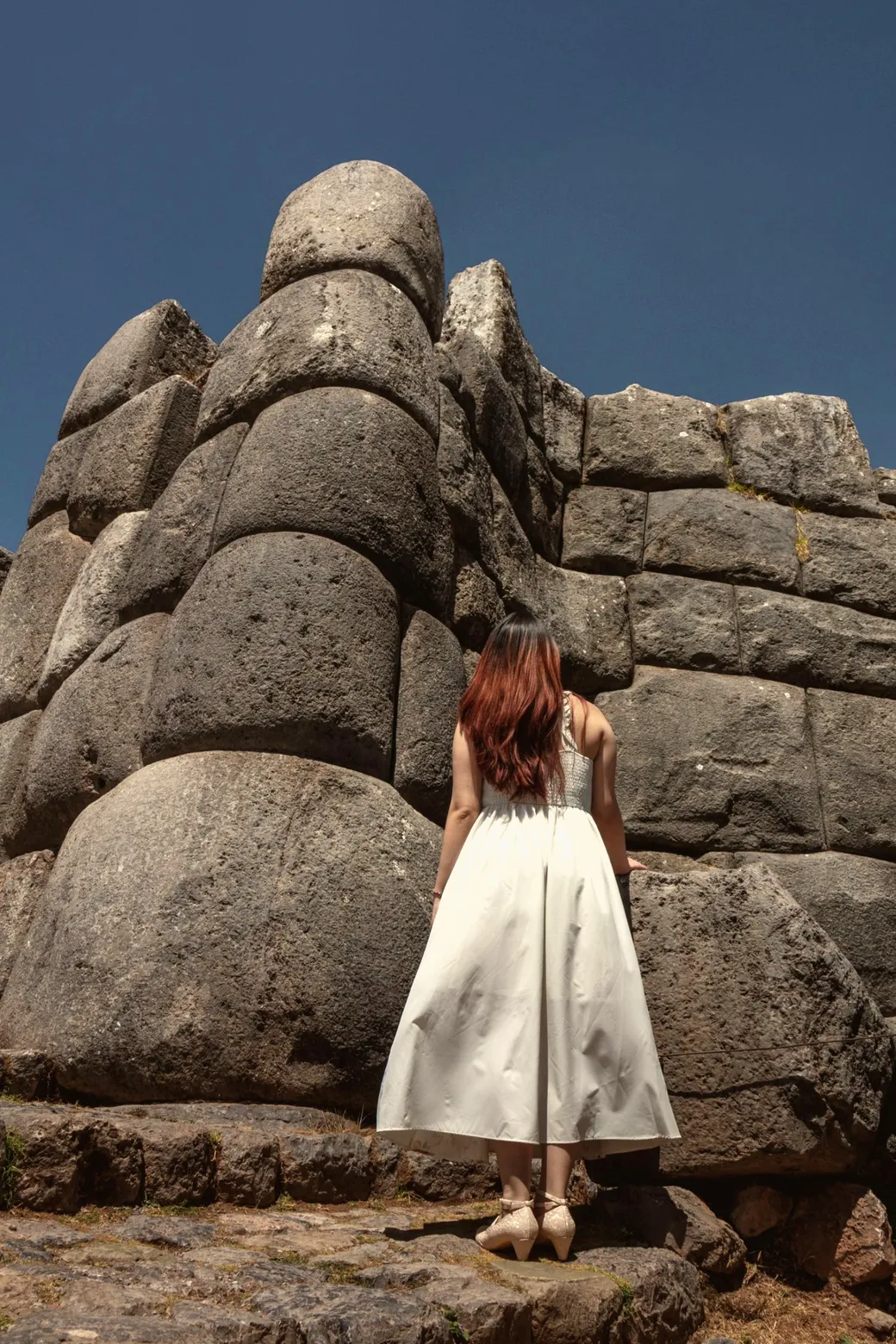
Sacsayhuamán sits on the hill above the center. Some of its stones weigh more than a hundred metric tons, fitted so precisely that a knife blade will not slip between them, and no two blocks have the same shape. Each June 24, Inti Raymi is staged on the esplanade below the walls. Cristo Blanco, on the next hill, was a gift from Palestinians in 1945.
Q'enqo, Puka Pukara, and Tambomachay sit along the same road, and together with Sacsayhuamán they make up the first circuit of the Boleto Turístico, a single day on the pass. For a slower way up, a horseback ride from a ranch outside the city reaches the Temple of the Moon, also known as Amaru Marka Wasi, through Inkilltambo and Chukimarka. No site tickets are needed on that route.
What the Boleto Turístico covers
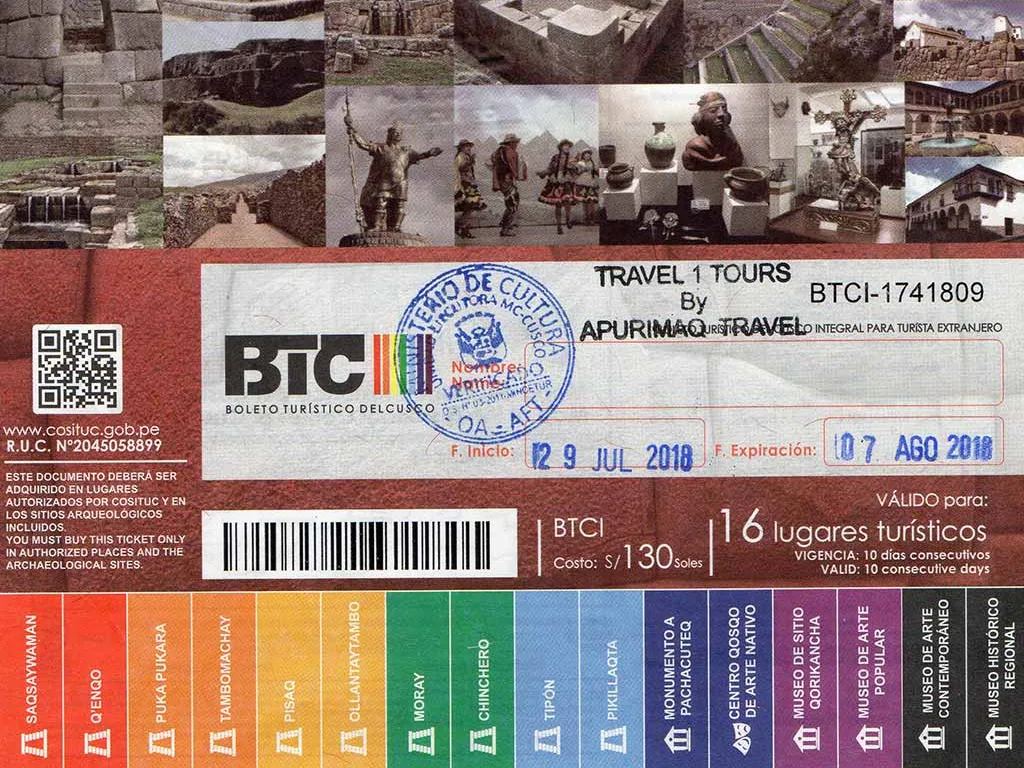
Many of the sites around Cusco share one pass, the Boleto Turístico, issued by COSITUC. The full pass opens 16 sites and is valid for 10 days from the day you buy it. Three partial passes cover single circuits: the sites above the city in one day, the museums with Tipón and Pikillaqta in two, and the Sacred Valley's Pisac, Ollantaytambo, Chinchero, and Moray in two. COSITUC says seeing all 16 takes at least three days.
It is sold in person, at the counter on Avenida El Sol and at the entrance of most sites, and you show your passport with it. Qorikancha's temple and convent (its site museum is on the pass), the cathedral, the Maras salt pans, and Machu Picchu are not on it. We wrote about buying the pass safely in Is Cusco safe? Scams to know before you go.
The Sacred Valley
The valley needs a guided day, because its major sites sit far apart. Ollantaytambo is still lived in on its Inca grid, and from its terraces Manco Inca flooded the plain in 1537 to stop the Spanish cavalry. Pisac's Sunday market is the largest, while Tuesday and Thursday feel more local.
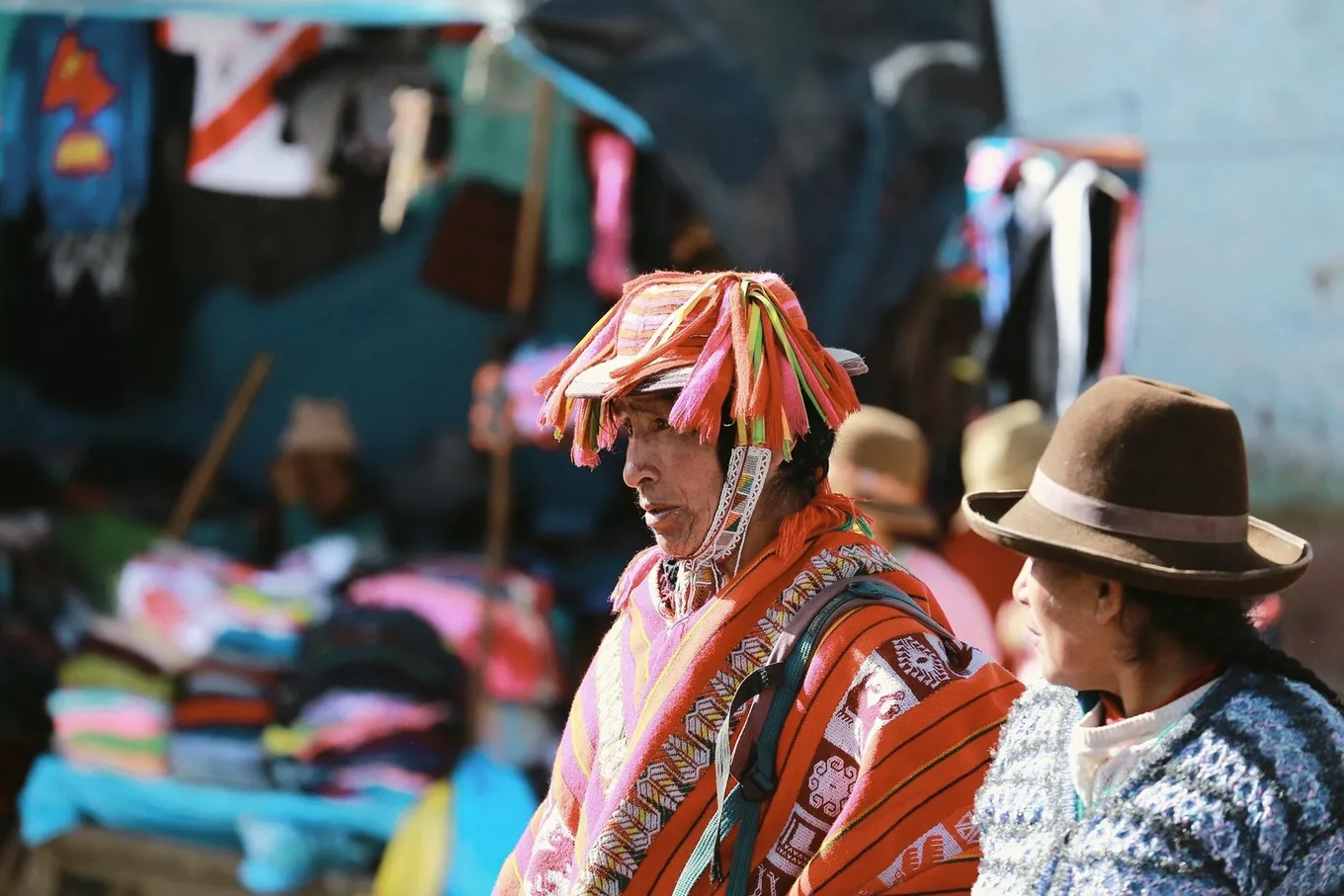
A shorter day covers Maras, Moray, and Chinchero. The salt pans of Maras are fed by an underground saline spring, not a river, and local families still work the shallow pools by hand. At Moray, the rim and the floor of the terraces can differ by as much as fifteen degrees Celsius on one afternoon.
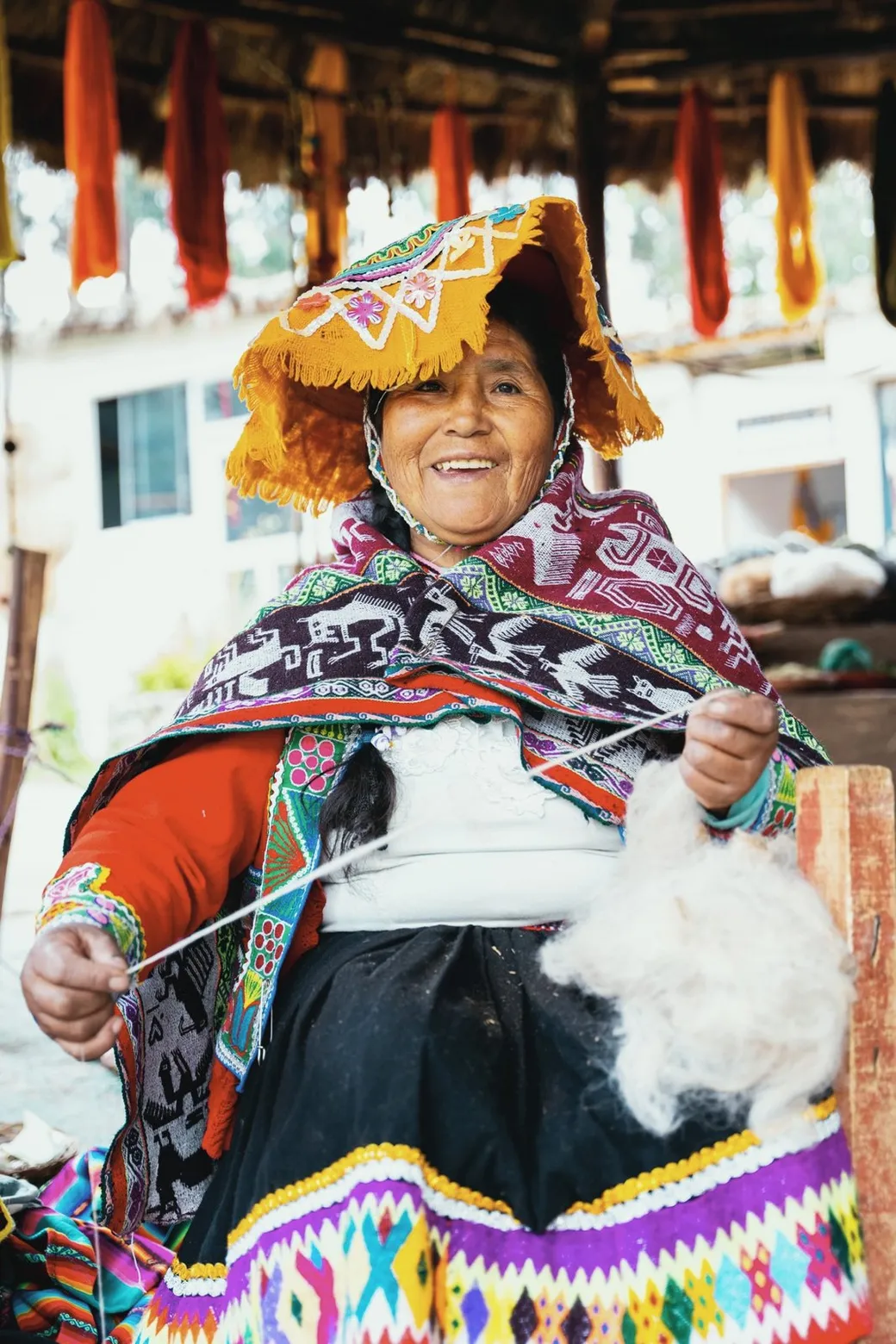
Chinchero is known for its weavers. The Centro de Textiles Tradicionales del Cusco, founded by weavers in 1996, began its work with weavers in Chinchero, and families there still spin, dye, and weave by hand. South of Cusco, a half day reaches Pikillaqta, a Wari city of some seven hundred buildings on a strict grid, built centuries before the Inca and abandoned unfinished. Tipón, quieter than Pisac, shows Inca engineering in its terraces. Both are on the Boleto Turístico. We compared the full and the half day in The Sacred Valley from Cusco: a full day or a half day?.
The high days
Machu Picchu is the long day everyone plans around. Roughly two hundred structures stand on a ridge between two peaks, built in the fifteenth century, and when Hiram Bingham arrived in 1911 he found a name already written in charcoal on a temple window: A. Lizárraga, 1902. Online, tickets are sold only through the Ministry of Culture's site, and daily numbers are capped, so book well ahead. We wrote about the day in Machu Picchu from Cusco in one day.
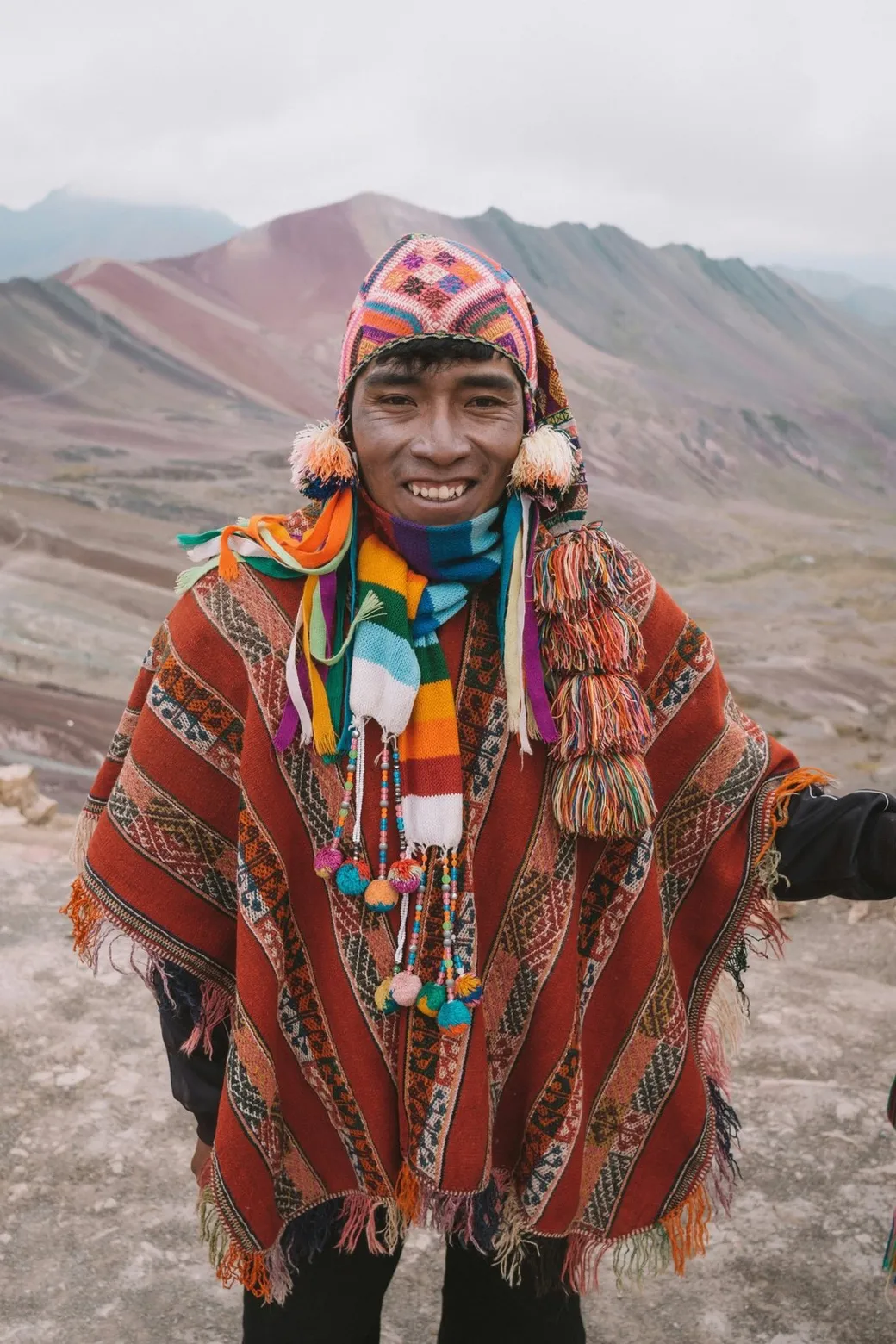
The mountain days start with a 4 a.m. pickup. Rainbow Mountain rises above 5,000 meters, and its stripes are mineral: iron-rich clay for the red, sulfur-bearing sandstone for the mustard, phyllite for the green. It opened to visitors only in the last decade. Humantay Lake sits in a glacial bowl below Salkantay, and its turquoise comes from rock flour, stone ground to powder by ice. Farther out, the Ausangate trek threads seven lakes below a peak of 6,385 meters, and Pallay Punchu, a ridge named for the bright weaving of the Andes, tops out at 4,770 meters. These are the days when acclimatization matters most, and our catalog notes that Pallay Punchu is not suitable for anyone prone to altitude sickness. We compared them in Humantay Lake or the Ausangate lakes? and Rainbow Mountain or Pallay Punchu?.
Slower hours
The Inca read the sky inside out. Beside their star patterns, they named dark shapes between the stars, a llama, a fox, and a serpent, and at the planetarium, outside the city, guides point out the Southern Cross on clear nights when it is up. At the Tunupa dinner show, much of the music comes from the charango, a small Andean lute traditionally built on an armadillo shell.
By day, the ChocoMuseo workshop shows how much Peruvian cacao changes from one region to the next. An alpaca farm on the road toward Pisac keeps all four Andean camelids, so you can compare alpacas and llamas with the wild vicuñas and guanacos side by side.
Putting them in order
The list is long, and the altitude decides the order. Our catalog's advice is to use the first morning to adjust, since most day trips start early.
Give the first morning to the city, and the mountains wait.
The tours are laid out by day in our free routes for 3 days, 5 days, and 7 days in Cusco.
Worth knowing
- Peru's 1993 Constitution names Lima the capital of the republic and Cusco its historic capital, in the same article.
- Book Machu Picchu well ahead. The only official online seller is the Ministry of Culture site, and daily numbers are capped.
- Cash is still king. Cards work in central spots. Keep some cash for taxis, markets, and tips.