Cusco/Day trips
The Salkantay Trek: what to know before you go
A permit-free route to Machu Picchu beneath a 6,271-meter peak, and the questions worth answering before you book.

At a glance
- THE PASS
- About 4,600 meters
- DAYS
- Five, or a shorter four
- PERMIT
- None for the trek
In this article
The Salkantay Trek is the best-known alternative to the Inca Trail. It crosses a high pass beneath Nevado Salkantay, drops through cloud forest toward the jungle side of the Andes, and ends near Machu Picchu. People search for it almost as often as for the Inca Trail, and they tend to ask the same handful of questions: how hard it is, how high it goes, how many days it takes, and what it costs.
We set the two side by side, permits, altitude, and days, in Inca Trail or Salkantay: which trek to Machu Picchu?
This guide answers those questions from published sources: operators that run the trek, travel publishers, and the official pages behind them. We have not walked Salkantay ourselves, so every figure below comes with its source and the month we checked it.
The mountain behind the name
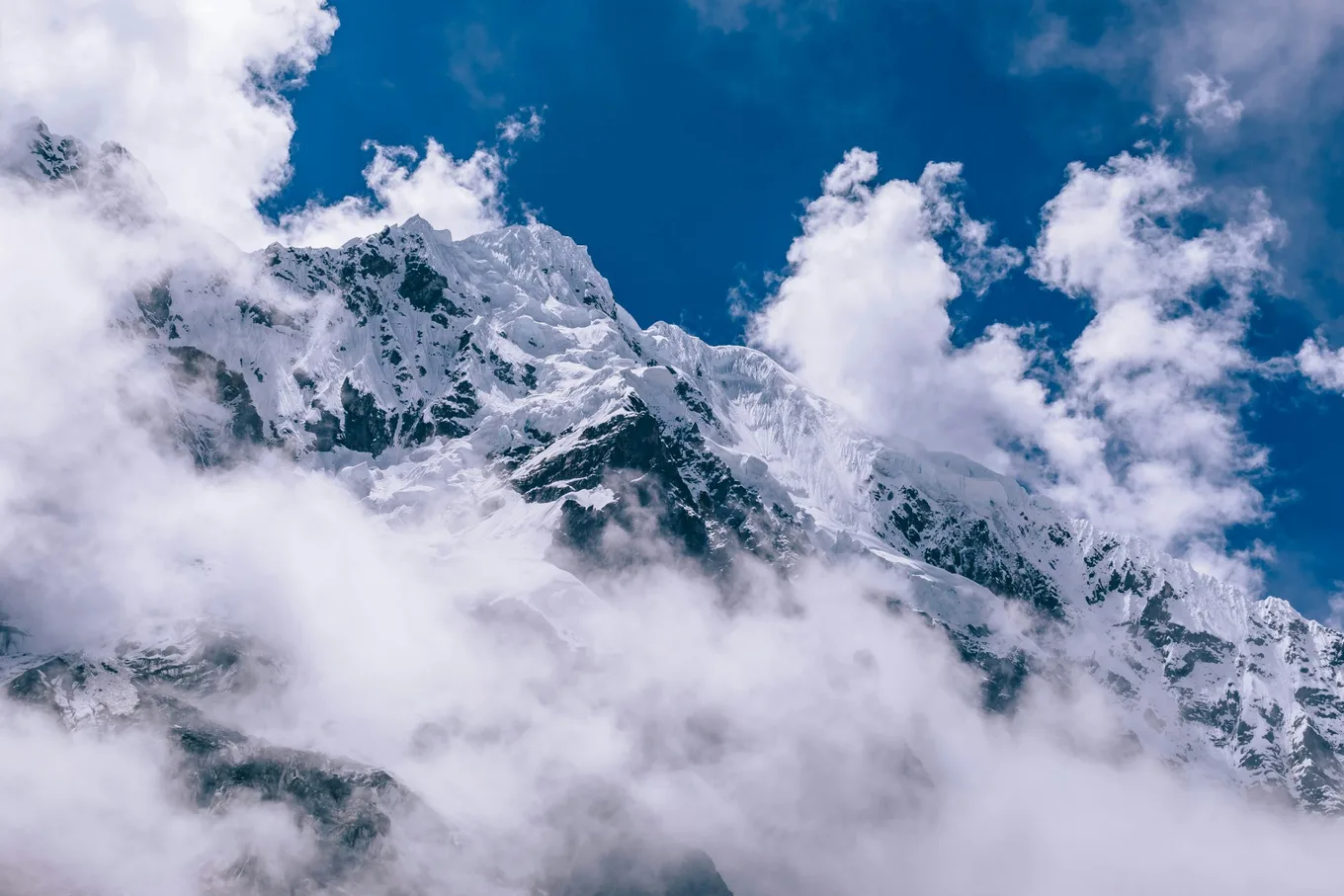
Nevado Salkantay rises to 6,271 meters. It is the highest peak of the Vilcabamba range and one of the main apus, or sacred mountains, of the Cusco region. The name comes from the Quechua word sallqa, which can be translated as wild, savage, or invincible.
The mountain and Machu Picchu are closely linked. Machu Picchu sits at the end of a ridge that runs north from Salkantay. Researchers Johan Reinhard and Constanza Ceruti describe how, seen from Machu Picchu's main sundial stone, the Southern Cross stands above Salkantay's summit when it reaches its highest point in the rainy season. The Incas associated that alignment with rain and fertility.
The summit itself was first climbed in 1952. The trek does not go anywhere near it.
The pass
The trek's high point is the Salkantay Pass, known locally as Abra Salkantay, which runs close beneath the mountain's glaciers.
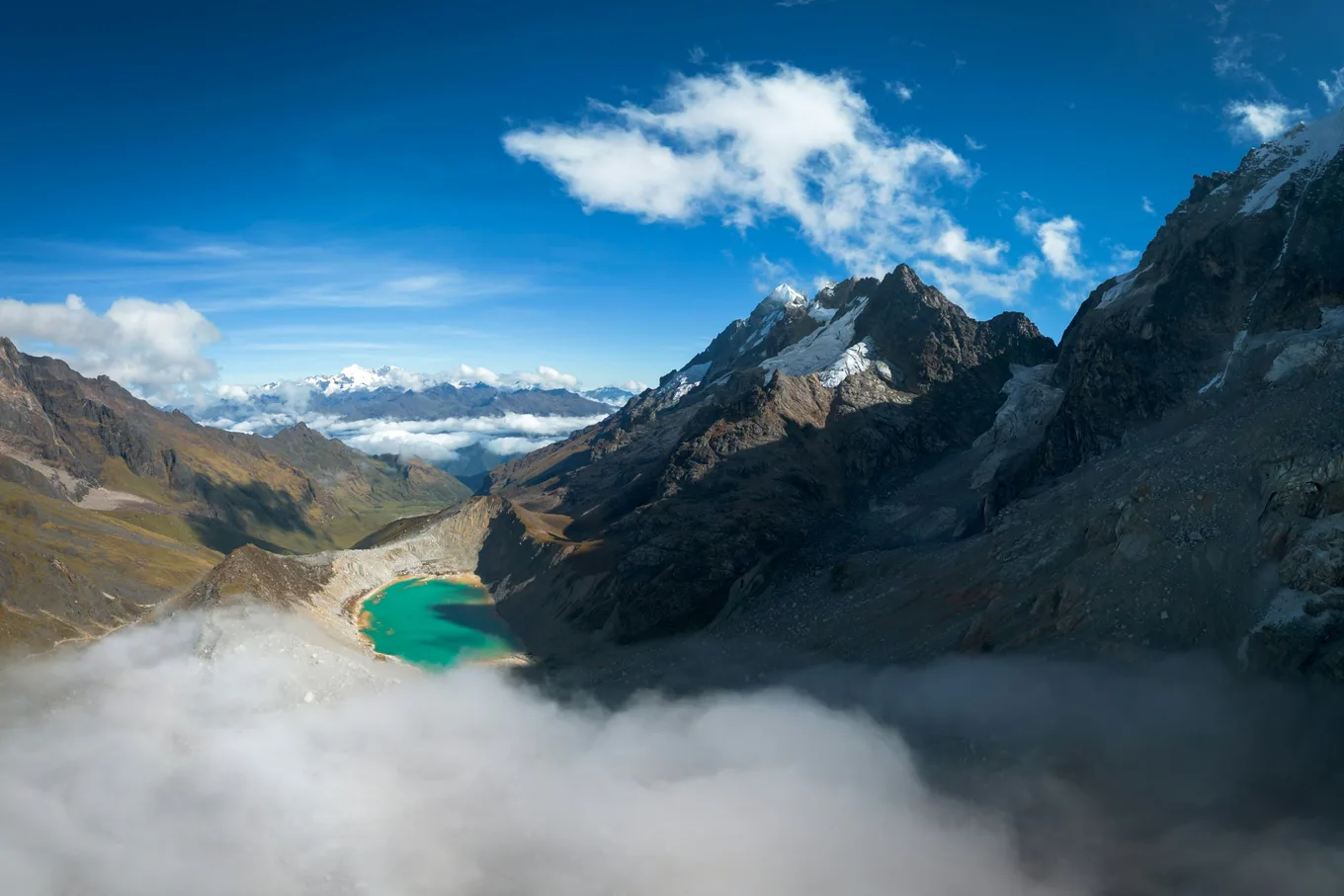
Sources disagree slightly on the height of the pass. Responsible Travel and G Adventures give 4,600 meters, Intrepid Travel gives 4,620 meters, Alpaca Expeditions and Salkantay.org give 4,630 meters, the figure shown on the sign at the pass, and Chullos Travel Peru gives 4,650. The safest way to read this is about 4,600 meters. That is roughly 400 meters higher than Dead Woman's Pass, the highest point of the classic Inca Trail at about 4,215 meters.
How difficult is the Salkantay Trek?
It is a demanding trek, mostly because of altitude and long days rather than technical terrain. There is no climbing, but you walk for several hours a day at heights where breathing takes effort.
Operators grade it accordingly. Alpaca Expeditions rates its activity level as Serious, and G Adventures puts it at level 4, Demanding, on its scale. Intrepid Travel says all travelers need to be in good physical health.
The pass day is the hardest. Responsible Travel describes seven to eight hours of walking on that day. Intrepid lists it as about 21 kilometers and eight hours. The descent is the part many people underestimate: Salkantay.org counts about 2,700 meters of descent over five days, which is hard on the knees.
Train with long walks and hills before the trip, with a loaded daypack if you can. Trekking poles help most on the long downhill sections. The days after the pass are easier, but they are still full days on foot.
Four days or five?
Both versions exist, and the difference is mostly how the trip ends. Five days and four nights is the classic format offered by most operators, including Alpaca Expeditions, G Adventures, and Chullos Travel Peru. Responsible Travel describes it as four days of walking and a fifth day spent at Machu Picchu.
Four days and three nights is a shorter version listed by Chullos Travel Peru and Salkantay Treks Peru. It usually removes time on the lower jungle section. Some operators also sell longer combinations that join the Salkantay route to the Inca Trail.
If you are not sure, the five-day version gives you a more even pace and a full day at Machu Picchu at the end.
Where you sleep
There are no towns on the high part of the route. Nights are spent in campsites, small lodges, or the cabins and domes that several operators have built near the trail.
- SoraypampaThe usual first night below the pass, at around 3,800 to 3,900 meters depending on the source.
- ChaullayAfter the pass, at about 2,900 meters according to Intrepid Travel.
- LucmabambaCoffee and cloud forest country, at about 2,100 meters according to Intrepid Travel.
- Aguas CalientesThe town below Machu Picchu, on the last night.
Nights at Soraypampa are cold. Exodus warns that some nights can be below freezing, and Salkantay.org advises a sleeping bag for below-freezing nights there.
How the trek reaches Machu Picchu
This is the main practical difference from the Inca Trail. On Salkantay you do not walk into Machu Picchu through the Sun Gate. Responsible Travel notes that the route ends in Aguas Calientes, and that the final 12 kilometers are covered either on foot or by train. From Aguas Calientes, you go up to the site the next morning by bus or on foot.
You still need a Machu Picchu entry ticket for a specific date and circuit. Our guide to Machu Picchu tickets explains prices, circuits, and how to buy them.
How much does the Salkantay Trek cost?
Prices vary by operator, group size, and what is included. These are the published prices we checked on November 25, 2026, for a five-day guided trek.
- Alpaca Expeditions, US$720A group trek that includes the Machu Picchu ticket, the train, the guide, and meals.
- G Adventures, US$699The regular price, with a promotional US$489 on some dates. It includes a local guide, cooks, porters, and a Machu Picchu tour.
- Responsible Travel, US$483 to US$822The range across several five-day trips it lists, flights not included.
As a rough guide, expect between about US$480 and US$820 per person for a five-day group trek booked in Cusco or online, as of November 2026. Private departures cost more. Check carefully what is included: the Machu Picchu ticket, the train back to Cusco, sleeping bags, and tips are the items that change the total most.
Do you need a permit or a guide?
No permit. Unlike the Inca Trail, the Salkantay route does not need a government trekking permit, and there is no daily quota. Responsible Travel, Chullos Travel Peru, and Salkantay.org all state this. You do need a Machu Picchu ticket for the day you visit the site.
Most travelers go with an operator, which includes a guide, cooks, and horses to carry the gear. Some hikers walk the route independently. Published rules on whether a guide is required are not consistent across sources, and we could not find an official regulation that settles it, so check the current rules with your operator or with the regional tourism office in Cusco before you plan an independent trek.
How much cash to bring
Intrepid Travel points out that there is no way to get cash while trekking, so carry what you need in soles from Cusco.
- Community feesChullos Travel Peru lists a community fee of 20 to 30 soles, paid around Mollepata or at checkpoints before Soraypampa, as of April 2026.
- TipsFor guides, cooks, and horsemen. Each operator publishes its own guidance, and the amounts differ widely, so ask yours before you leave.
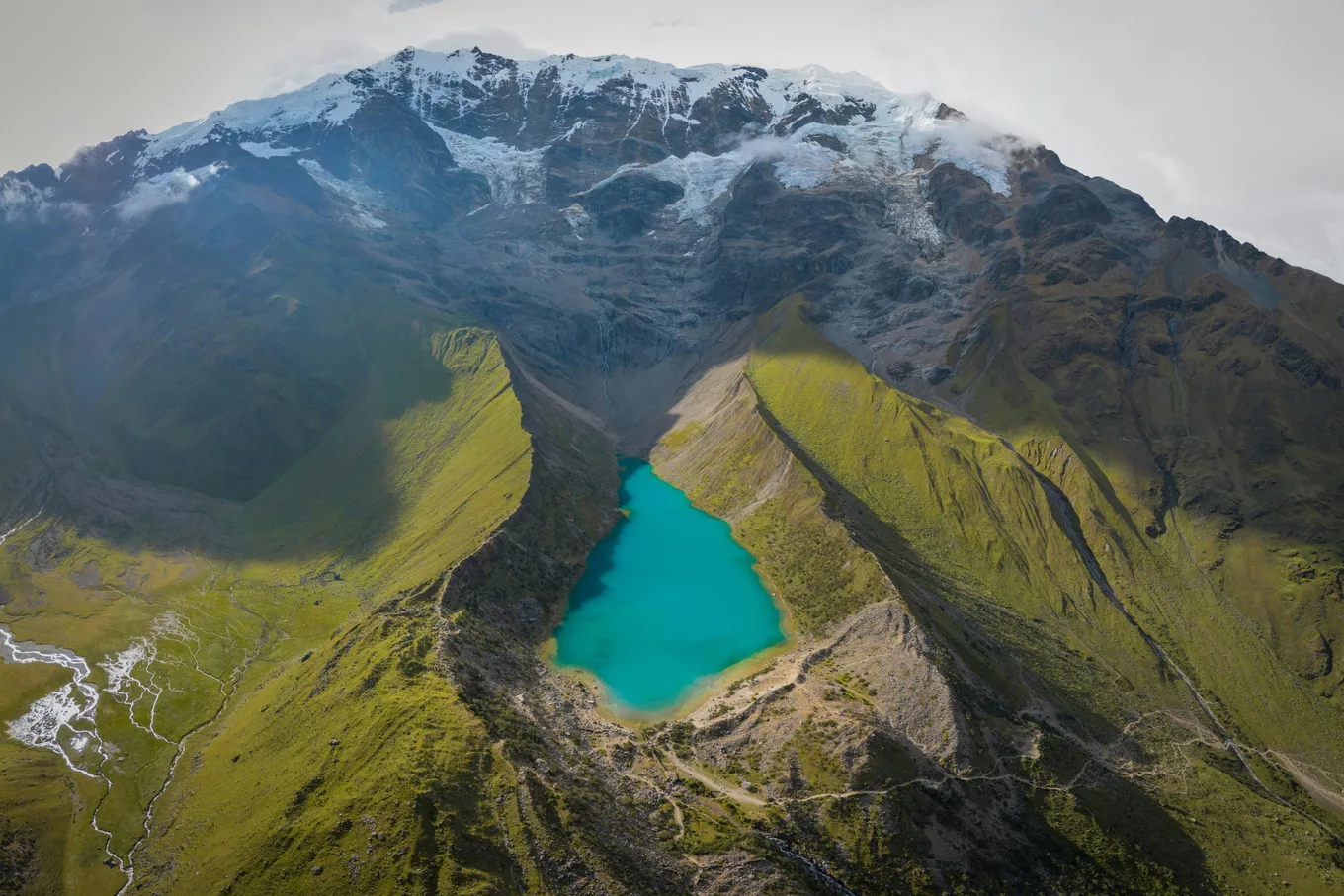
- Humantay LakeIf your itinerary includes the side climb on the first day, Chullos Travel Peru lists a separate fee of 10 to 20 soles.
- Small extrasSnacks, drinks, and showers at camps, and extras such as hot springs.
When to go
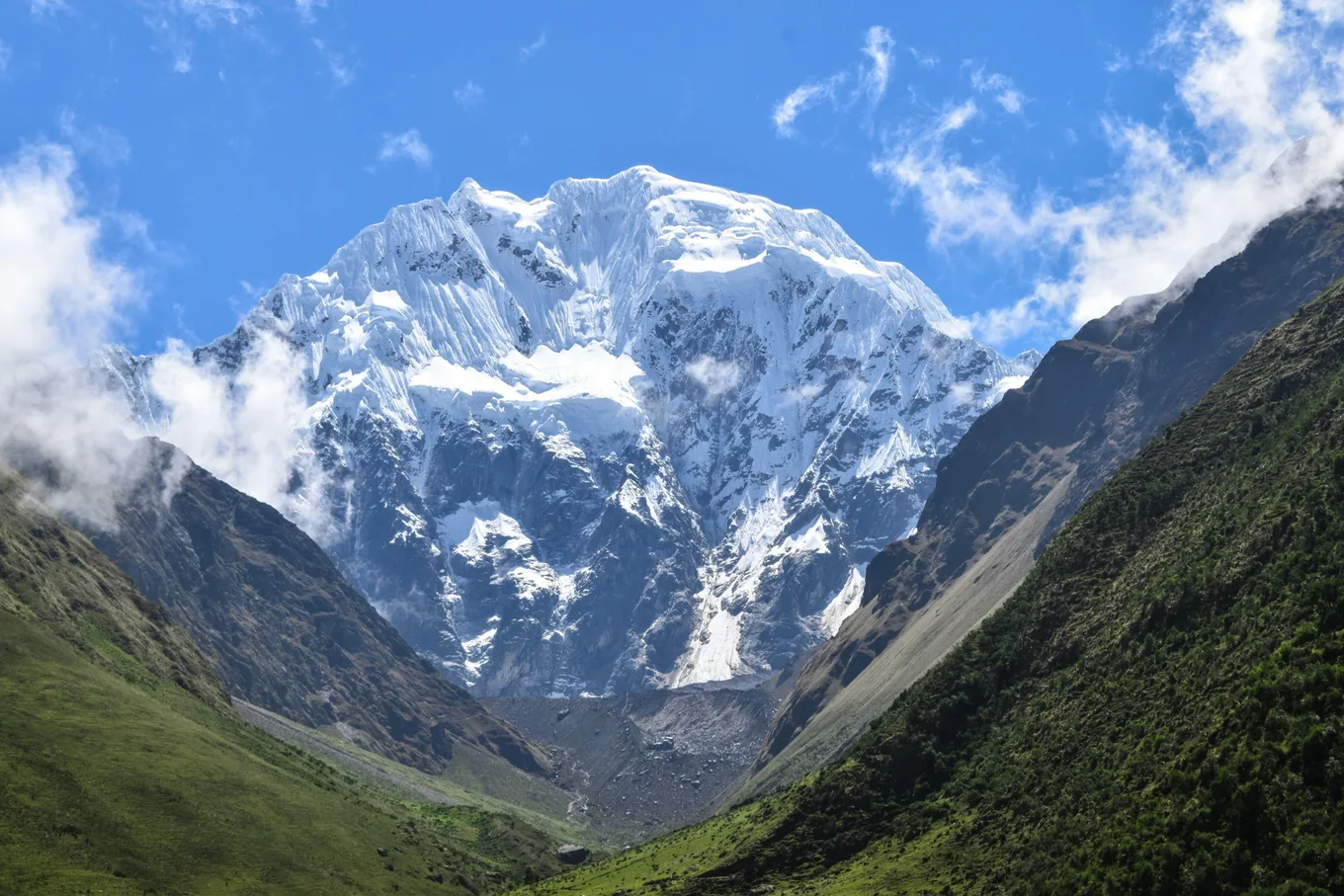
The dry season is the most popular time. Exodus describes April to November as the dry season in the Cusco Andes and December to March as the rainy season. Responsible Travel calls May to September the driest months.
- May to SeptemberThe clearest skies, and the coldest nights at altitude.
- April and OctoberShoulder months, often quieter on the trail.
- December to MarchRain, mud, and cloud over the pass. Treks still run, but views are less certain.
Acclimatization comes first
Most operators recommend spending at least two to three days in Cusco before starting, and Responsible Travel suggests three. Cusco sits at about 3,400 meters, so those days let your body adjust before you sleep near 3,900 meters and cross a pass at about 4,600 meters. Our guide to the altitude in Cusco explains what to expect in the first days and how to pace them.
Some travelers ask about altitude medication such as acetazolamide, sold as Diamox. That is a question for your doctor, a few weeks before the trip.
Before you go
Salkantay is not part of our routes, which are built around Cusco and Machu Picchu by day. If you are planning a few days in the city before or after the trek, our free Cusco itineraries for 3 days, 5 days, and 7 days show how to pace the time around the altitude.
Frequently asked questions
How high is the Salkantay Pass?
About 4,600 meters. Published figures range from 4,600 to 4,650 meters depending on the source.
Which is harder, the Inca Trail or Salkantay?
Salkantay climbs higher, to about 4,600 meters at the pass, while the classic Inca Trail tops out at Dead Woman's Pass, at about 4,215 meters. Both are demanding multi-day treks, and both need time to acclimatize in Cusco first.
Do I need a permit for the Salkantay Trek?
No permit is needed for the trek itself, and there is no daily quota. You do need a Machu Picchu ticket for the day you visit the site.
How many days is the Salkantay Trek?
Most operators offer five days and four nights, with the last day at Machu Picchu. Four-day versions also exist.
Where do you sleep on the Salkantay Trek?
In camps, lodges, or cabins along the route: usually Soraypampa, then lower stops such as Chaullay and Lucmabamba, and Aguas Calientes on the last night.
How much does the Salkantay Trek cost?
As a rough guide, about US$480 to US$820 per person for a five-day group trek, as of November 2026. Private departures cost more, so check whether the Machu Picchu ticket, the train back to Cusco, sleeping bags, and tips are included.
When is the best time to hike Salkantay?
May to September, the driest months, bring the clearest skies and the coldest nights at altitude. From December to March expect rain, mud, and cloud over the pass, though treks still run.
Worth knowing
- Seen from Machu Picchu's main sundial, the Southern Cross stands above Salkantay's summit at its highest point in the rainy season.
- Give Cusco two or three days before the trek, and carry the cash you need in soles from there.
- Cash is still king. Cards work in central spots. Keep some cash for taxis, markets, and tips.